
Why the Healthiest Indoor Plants List Matters for Your Home and Health
The healthiest indoor plants list includes these top picks backed by NASA research and horticultural science:
| Plant | Key Health Benefit | Maintenance Level |
|---|---|---|
| Snake Plant | Nighttime oxygen production, removes VOCs | Very low |
| Spider Plant | Removes formaldehyde and xylene | Low |
| Peace Lily | Reduces mold spores, improves humidity | Low |
| Golden Pothos | Lowers ozone and carbon monoxide | Very low |
| Boston Fern | Natural humidifier, removes pollutants | Medium |
| Aloe Vera | Air purification + medicinal skin uses | Very low |
| English Ivy | Reduces airborne mold and formaldehyde | Low |
| Lavender | Reduces anxiety, improves sleep | Medium |
Did you know that over 4 million people die prematurely every year from indoor air pollution? And the air inside your home is often more polluted than the air outside.
If you spend most of your time indoors — and most of us do — that’s worth paying attention to.
The good news: a handful of well-chosen houseplants can make a real difference. NASA scientists studied common indoor plants specifically because they were so efficient at absorbing airborne contaminants that researchers considered launching them into space stations. One spider plant in a 200 square foot room, for example, was found to be enough to meaningfully filter the air.
But air quality is only part of the story. Research also links indoor plants to reduced stress, fewer headaches, lower blood pressure, and better sleep. One study found that workers in plant-filled offices reported 20-25% less fatigue and headaches.
This is what scientists call biophilia — our deep, hardwired need to connect with nature. When we bring greenery indoors, we’re not just decorating. We’re tapping into something that genuinely supports our health.
Below, we break down the best plants for every need — whether you want cleaner air, calmer nerves, a healing herb on your windowsill, or something your cat won’t chew and die from.
The Science Behind the Healthiest Indoor Plants List
When we talk about the “healthiest” plants, we aren’t just guessing based on how pretty they look. We are looking at decades of data. The cornerstone of this research is the NASA Clean Air Study, which was conducted back in 1989. NASA wanted to find ways to clean the air in space stations, and they discovered that certain plants are incredibly effective at removing Volatile Organic Compounds (VOCs).
VOCs are invisible chemicals like formaldehyde (found in carpets and furniture), benzene (found in plastics and detergents), and trichloroethylene (found in paints and adhesives). These nasty pollutants are common causes of “Sick Building Syndrome,” which leads to headaches, dizziness, and respiratory irritation.
Beyond just cleaning the air, organizations like the Royal Horticultural Society (RHS) emphasize that plants support human health through psychological well-being. A 2015 study on plants and stress relief found that the simple act of repotting or interacting with a plant can significantly lower physiological stress. It’s not just in your head; it’s a measurable biological response that lowers your heart rate and blood pressure.
Spider Plant: A Staple on Any Healthiest Indoor Plants List
If you are looking for a high-impact, low-effort addition to your home, the Spider Plant (Chlorophytum comosum) is a mandatory entry. It’s famous for its ability to produce “pups” or plantlets that dangle from the mother plant like tiny spiders, but its real power is invisible.
NASA research showed that spider plants are champions of formaldehyde removal, clearing up to 95% of the toxin from a sealed container within 24 hours. They also tackle xylene and carbon monoxide. Because they are so easy to propagate and grow, they are one of the most budget-friendly-air-purifying-plants/ you can find. We love them because they are tough as nails and safe for your pets, making them a worry-free choice for any room.
Snake Plant: Why It Tops Every Healthiest Indoor Plants List
The Snake Plant (Sansevieria) is often called the “Mother-in-Law’s Tongue,” perhaps because it’s sharp and nearly impossible to get rid of. In indoor gardening, it is known as the “unkillable” plant.
What makes it truly special for our health is its unique respiratory cycle. While most plants take in CO2 and release oxygen during the day, the snake plant does a significant amount of this work at night. This makes it an ideal bedroom companion, as it helps keep oxygen levels high while you sleep. Beyond oxygen, there are numerous snake plants benefits, including its ability to filter out benzene, formaldehyde, trichloroethylene, and xylene. If you want to turn your bedroom into a top-air-refreshing-plants-to-turn-your-home-into-a-literal-oxygen-bar/, start with a few large Snake Plants.
Top Air-Purifying Plants for Better Breathing
Breathing is something we take for granted until the air quality drops. Whether you live in a city with high smog or a modern apartment with poor ventilation, these plants act as living lungs for your home.
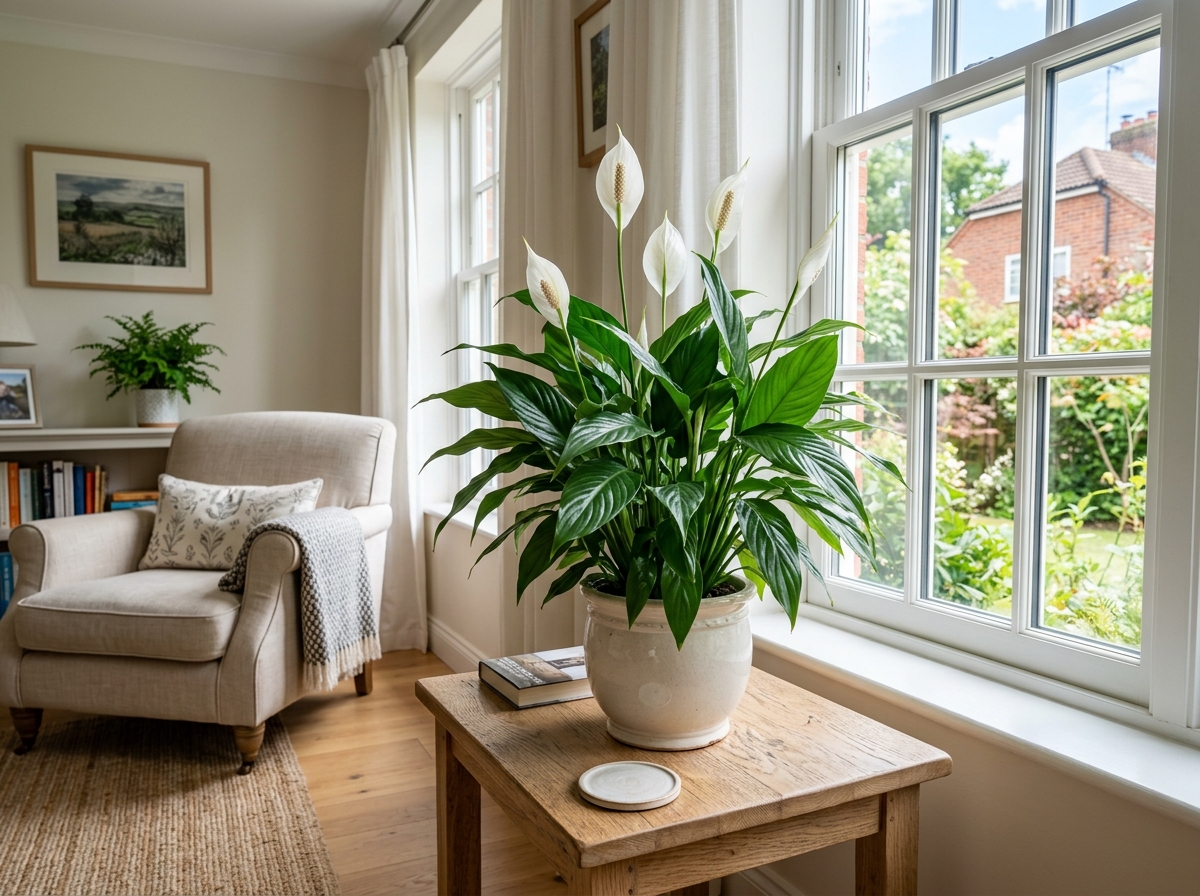
When selecting plants specifically for respiratory health, we focus on those that remove the widest range of toxins while also managing humidity. Below is a comparison of how some of our favorites stack up:
| Plant Name | Toxin Focus | Best Room |
|---|---|---|
| Peace Lily | Benzene, Ammonia, VOCs | Bathroom/Bedroom |
| Boston Fern | Formaldehyde, Xylene | Living Room |
| English Ivy | Airborne Mold, Formaldehyde | Kitchen/Basement |
| Golden Pothos | Ozone, Carbon Monoxide | Office |
By strategically placing these indoor-plants-that-improve-breathing/, you can create “clean air zones” in the areas where you spend the most time.
Peace Lily and Humidity
The Peace Lily (Spathiphyllum) is as functional as it is elegant. It is one of the few air purifiers that also produces beautiful white flowers. Its health benefits are two-fold: it removes common household toxins like acetone (found in nail polish remover) and it actually improves the humidity of a room.
According to research on their humidifying and anti-air pollutant qualities, Peace Lilies can increase room humidity by up to 5%. This is a lifesaver during dry winters when our skin and nasal passages get irritated. They are also known for their ability to suppress mold spores in the air, making them excellent indoor-plants-that-reduce-dust-2/ and allergens. Just a heads up: these are “drama queens” and will wilt dramatically when they need water, but they perk right back up once you give them a drink.
Pothos and Ozone Reduction
The Golden Pothos (Epipremnum aureum) is likely the most popular houseplant in the world for a reason: it’s nearly indestructible. But did you know it’s also a high-tech air filter? Recent studies have shown that Pothos can actually lower indoor ozone levels, which is a common byproduct of printers and certain electronic devices.
In addition to ozone, Pothos is highly effective at formaldehyde, xylene, and toluene removal. Because it can thrive in low-light conditions and handle a bit of neglect, it’s one of the best easy-care-plants-for-home-air-quality/. We recommend hanging them high so their vines can trail down, keeping them out of reach of curious pets while they scrub the air near your ceiling.
Psychological and Medicinal Benefits of Indoor Greenery
While air purification is the “physical” benefit, the “mental” benefits are just as vital. Living with plants has been shown to reduce cortisol levels (the stress hormone) and boost productivity and concentration.
A 2015 study in the Journal of Physiological Anthropology highlighted that active interaction with indoor plants—like touching the leaves or smelling the soil—can reduce both physiological and psychological stress. For those of us working from home, having greenery in our line of sight is a proven way to improve indoor-plants-for-mental-wellness/.
Aloe Vera: The Healing Succulent
Aloe Vera is the ultimate multi-tasker. Not only does it clean the air of formaldehyde and benzene, but it also serves as a living first-aid kit. The gel inside the leaves has incredible anti-inflammatory and antibacterial properties.
We’ve all used it for sunburn relief, but it’s also effective for minor cuts, burns, and other skin ailments. It’s a drought-tolerant succulent that loves a sunny windowsill. If you see brown spots appearing on the leaves, it’s actually a helpful indicator that the air in your home has high levels of pollutants!
Aromatherapy with Indoor Herbs
Why buy expensive essential oils when you can grow the scent yourself? Plants like Lavender and Rosemary provide aromatherapy benefits just by existing in your space. Lavender is world-renowned for its ability to lower anxiety and improve sleep quality. Keeping a small pot of lavender in your bedroom can help you drift off faster and stay asleep longer.
Rosemary, on the other hand, is known for boosting concentration and memory. If you’re feeling a bit of “brain fog” during the workday, try rubbing a leaf between your fingers and taking a deep breath. For more on how to use nature to calm your nerves, check out this guide on herbal treatment for anxiety. These plants provide significant mental-wellness-benefits-of-indoor-plants-3/ that go far beyond their culinary uses.
Choosing Pet-Safe and Low-Maintenance Varieties
We know that many of our readers are “pet parents” as well as “plant parents.” Unfortunately, some of the best air purifiers—like the Peace Lily and Snake Plant—can be toxic if ingested by cats or dogs.
Always consult the non-pet-friendly varieties list from the ASPCA before bringing a new plant home. If you want to play it safe, there are plenty of indoor-plants-safe-for-pets/ that still offer great health benefits.
Best Pet-Friendly Options
If you have a cat that thinks every leaf is a snack, stick to these varieties:
- Boston Fern: A classic air purifier that is completely non-toxic. It loves humidity, so it’s perfect for a bathroom.
- Bamboo Palm: These can grow quite large and are excellent at removing formaldehyde and xylene.
- Spider Plant: Safe, fun to look at, and incredibly effective at cleaning the air.
These are all fantastic low-maintenance-air-purifying-plants/ that won’t result in an emergency trip to the vet.
Unkillable Plants for Busy People
Not everyone has a green thumb, and that’s okay! You can still enjoy the health benefits of plants without the stress of keeping them alive.
- ZZ Plant: The “Zanzibar Gem” can survive for weeks (even months!) without water and thrives in low light.
- Cast Iron Plant: Aptly named because it is as tough as iron. It handles low light, poor soil, and fluctuating temperatures with ease.
- Snake Plant: As mentioned before, these are the kings of neglect.
If you have a windowless office or a dark hallway, these indoor-plants-for-low-light-rooms/ will still work hard to clean your air while asking for almost nothing in return.
Maximizing the Health Impact of Your Indoor Garden
To get the most out of your healthiest indoor plants list, you need to think about the environment they live in. A plant in a tiny pot with old, dry soil won’t be as effective as one in a healthy, soil-based system. Research suggests that the microorganisms in the soil actually do a lot of the heavy lifting when it comes to breaking down VOCs.
We recommend using peat-free potting media and ensuring your pots have good drainage. While plants are great, they shouldn’t be your only solution for air quality. Combining them with natural ventilation (opening a window for 10 minutes a day) and reducing the sources of pollutants is the best approach.
For a deep dive into the specifics, check out this complete list of plants and their specific targets, or learn how to turn-your-houseplants-into-air-purifiers-a-diy-guide-2/ to maximize their natural filtering power.
Frequently Asked Questions about Healthy Indoor Plants
Which plant is best for removing formaldehyde?
The Spider Plant and the Boston Fern are widely considered the best for formaldehyde. In NASA’s testing, the Spider Plant removed about 95% of the chemical in a 24-hour period.
How many plants do I need per room for air purification?
While one plant per 100-200 square feet can provide psychological benefits and a slight boost in air quality, some recent studies suggest you would need a “jungle-like” density (dozens of plants) to see a massive drop in VOCs. However, even 2-3 large plants in a standard living room can noticeably improve humidity and oxygen levels.
Are air-purifying plants better than mechanical air purifiers?
It depends on your goal. Mechanical HEPA filters are better at removing dust and pollen (particulates) quickly. Plants are better at removing gaseous toxins (VOCs) and improving the “vibe” and humidity of a room. For the best results, we suggest using both!
Conclusion
At Mount Pilchuck, we believe that your home should be a sanctuary that supports your well-being. Incorporating the healthiest indoor plants list into your decor is a simple, beautiful, and science-backed way to do just that. Whether you are looking to improve indoor air circulation, reduce your daily stress, or just add a pop of life to your desk, there is a plant on this list for you.
Embracing biophilic design isn’t just a trend; it’s a holistic approach to wellness that connects us back to the natural world. Ready to start your indoor jungle? Explore our category/indoor-plants/ for more expert tips on keeping your greenery—and yourself—thriving.
