
Why the Best Indoor Plants Belong in Every Home
The best indoor plants do a lot more than look good on a shelf. They filter toxins from the air, reduce stress, and can make a real difference in how you feel day to day — especially in enclosed urban spaces where air quality is often poor.
Here’s a quick look at the top 10 best indoor plants to get you started:
| Plant | Best For | Light Needs | Pet Safe? |
|---|---|---|---|
| Snake Plant | Air purification | Low to bright indirect | No |
| Pothos | Beginners | Low to bright indirect | No |
| Spider Plant | Pet-friendly homes | Bright indirect | Yes |
| Monstera Deliciosa | Statement piece | Bright indirect | No |
| ZZ Plant | Low-light rooms | Low to medium | No |
| Peace Lily | Air purification | Low to medium | No |
| Jade Plant | Low maintenance | Bright indirect | No |
| Aloe Vera | Bright spaces | Bright/direct | No |
| Parlor Palm | Pet-friendly, low light | Low to medium | Yes |
| Calathea | Humidity-loving spaces | Low to medium | Yes |
If you live or work in a space with stagnant air, limited ventilation, or little natural light, the right houseplant can genuinely help. A NASA study found that plants like the snake plant actively remove pollutants such as benzene and formaldehyde from indoor air. And beyond air quality, research points to reduced stress levels and improved focus as real benefits of keeping plants indoors.
The good news? You don’t need a green thumb. Many of the most effective indoor plants are also the easiest to keep alive — some practically thrive on neglect.
Below, we cover the 10 best options, how to care for them, and how to pick the right one for your space.

Top 10 Best Indoor Plants for Beginners and Beyond
When we talk about the best indoor plants, we are looking for a balance of aesthetic beauty, resilience, and health benefits. Whether you are a seasoned “plant parent” or someone who has historically struggled to keep a cactus alive, these ten selections offer something for every environment.
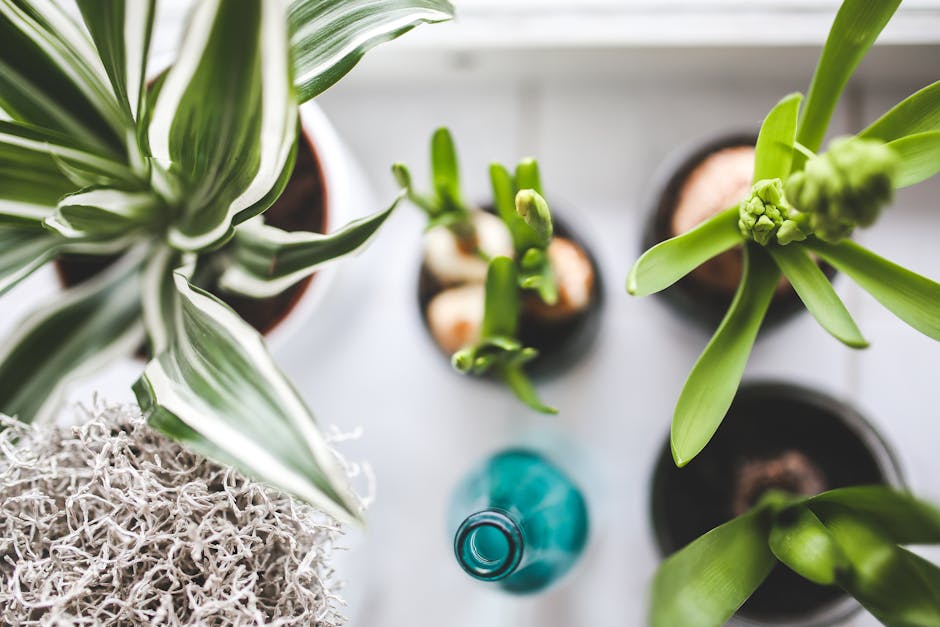
- Snake Plant (Dracaena trifasciata): Often called “Mother-in-Law’s Tongue,” this plant is the gold standard for durability. It features stiff, sword-like leaves that can grow up to three feet tall indoors. According to the scientific profile for snake plant, it is native to tropical Africa and is incredibly adapted to surviving long periods without water.
- Pothos (Epipremnum aureum): Known as “Devil’s Ivy” because it is nearly impossible to kill, Pothos is a fast-growing vine. It can add 12 to 18 inches of length in a single month under the right conditions. It’s perfect for hanging baskets or trailing along bookshelves.
- Spider Plant (Chlorophytum comosum): A classic favorite that produces “babies” on long, arching stems. It is highly adaptable and one of the best choices for those with curious cats or dogs.
- Monstera Deliciosa: The “Swiss Cheese Plant” is a design darling. Its large, heart-shaped leaves develop dramatic holes (fenestrations) as they mature. It’s a statement piece that can grow 6 to 10 feet tall in a home setting.
- ZZ Plant (Zamioculcas zamiifolia): If you have a windowless hallway or a dark office corner, the ZZ plant is your best friend. It has waxy, deep green leaves and stores water in semi-succulent stems, meaning you can forget to water it for weeks.
- Peace Lily (Spathiphyllum): Known for its elegant white blooms and dark green foliage, the Peace Lily is a powerhouse of air purification. It also has a helpful habit of “wilting” dramatically when it’s thirsty, then bouncing back once watered.
- Jade Plant (Crassula ovata): This succulent has been a popular houseplant for over 60 years. It looks like a miniature tree with thick, woody stems and fleshy leaves. It symbolizes good luck and can live for decades.
- Aloe Vera: Beyond its striking architectural look, Aloe Vera is a functional plant. The gel inside its leaves can be used to soothe minor burns and skin irritations. It needs a very bright spot to stay happy.
- Parlor Palm (Chamaedorea elegans): A favorite since the Victorian era, this slow-growing palm handles low light and cramped pots with grace. It adds a soft, tropical texture to any room.
- Calathea (Prayer Plant): These plants are famous for their stunning leaf patterns. They are called “Prayer Plants” because their leaves fold up at night like praying hands. They love high humidity, making them ideal for bathrooms.
Best Indoor Plants for Air Purification
At Mount Pilchuck, we focus heavily on how greenery affects your living environment. One of the most compelling reasons to invest in the best indoor plants is their ability to act as natural air scrubbers.
The Snake Plant is perhaps the most famous example. A landmark NASA study revealed that these plants are uniquely capable of drawing pollutants like benzene and formaldehyde from the air. While most plants take in CO2 and release oxygen during the day, the Snake Plant continues to release oxygen at night, making it one of the top air-purifying plants for bedrooms.
Beyond simple filtration, these plants help improve air circulation by naturally transpiring moisture into the air, which can alleviate dry skin and respiratory discomfort in climate-controlled buildings. You can read more about snake plant genome sequencing to understand how modern science has reclassified these hardy survivors to better understand their unique biological traits. For those looking to build a “clean air” collection, we recommend checking out our guide on plants that filter toxins from the air.
Best Indoor Plants for Low-Light Rooms
Not every home is blessed with floor-to-ceiling windows. Fortunately, some of the best indoor plants evolved in the deep shade of tropical rainforest floors, meaning they can thrive in dim spaces.
The ZZ Plant and the Cast Iron Plant are the undisputed kings of the shadows. The Cast Iron Plant (Aspidistra elatior) earned its name by being nearly “impervious to neglect” and surviving in the drafty, dark hallways of Victorian homes. Pothos is another excellent contender; while variegated varieties might lose some of their color in the dark, the plant itself will continue to grow.
For those setting up a workspace, choosing indoor plants for office spaces often means looking for varieties that can survive on fluorescent light alone. If you are struggling with a particularly dark corner, our resource on indoor plants for low-light rooms provides a deeper dive into species that don’t mind the gloom.
Choosing the Right Plant for Your Environment
Success with houseplants depends on matching the plant to your specific “microenvironment.” A plant that thrives in a humid, east-facing bathroom might struggle in a drafty, south-facing living room.
| Plant | Humidity Preference | Ideal Temperature | Growth Speed |
|---|---|---|---|
| Snake Plant | Low | 65–75°F | Slow |
| Pothos | Moderate | 65–75°F | Fast |
| Spider Plant | High | 60–75°F | Medium |
| Monstera | High | 70–85°F | Medium-Fast |
| ZZ Plant | Low | 60–75°F | Slow |
When selecting your greenery, consider the size of your space. For those in urban environments, indoor plants for small apartments like the Snake Plant or Bird’s Nest Fern are ideal because they grow vertically rather than spreading out horizontally.
Safe Greenery: Indoor Plants Safe for Pets
As much as we love our plants, the safety of our furry friends comes first. Many popular houseplants, including the Snake Plant, Pothos, and Monstera, contain calcium oxalate crystals which can be toxic if ingested by cats or dogs.
If you have a “nibbler” at home, stick to these indoor plants safe for pets:
- Spider Plant: Entirely non-toxic and even produces fun dangling plantlets for cats to bat at (though we recommend keeping them out of reach to save the plant!).
- Parlor Palm: A safe way to add height and a tropical feel without the risk.
- Boston Fern: Loves humidity and is completely safe for both cats and dogs.
Always consult ASPCA guidelines if you are unsure about a new addition to your home.
Essential Care Tips for Thriving Houseplants
The biggest mistake new plant owners make is “killing with kindness”—usually in the form of overwatering. Most of the best indoor plants prefer to dry out slightly between waterings.
- Drainage is Key: Always use a pot with drainage holes. If you find a beautiful decorative pot without holes, use it as a “cachepot”—keep the plant in its plastic nursery pot and set that inside the decorative one.
- Soil Matters: Use a well-draining potting mix. Succulents like Jade and Aloe need a cacti-specific mix with extra perlite or sand.
- Fertilizing: During the growing season (spring and summer), your plants will appreciate a boost. For climbing or trailing plants, an epiphyte fertilzer spray can provide nutrients directly through the foliage and aerial roots.
- Pest Management: Keep an eye out for mealybugs (which look like tiny cotton balls) and spider mites (which leave fine webbing). Treat infestations early with neem oil or insecticidal soap.
How to Propagate Your Favorite Greenery
One of the most rewarding parts of plant ownership is creating new plants for free. Pothos and Spider Plants are the easiest to start with.
For Pothos, simply cut a length of vine that includes at least two “nodes” (the little bumps where leaves emerge). Place the cutting in a jar of water, and within a week to ten days, you’ll see new roots emerging. Once the roots are an inch long, you can pot them in soil. Spider plants are even easier; just snip off the small “babies” that grow on the long runners and tuck them into moist soil. This is a great way to expand your collection of low-maintenance air-purifying plants without spending a dime.
Frequently Asked Questions about Indoor Plants
Which indoor plants are the hardest to kill?
If you consider yourself a “black thumb,” start with the Snake Plant, ZZ Plant, or Pothos. These are incredibly neglect-tolerant. The Snake Plant, in particular, can survive for over a month without water and thrives in almost any light condition. These plants are drought-resistant and physically tough, making them the best indoor plants for frequent travelers or forgetful decorators.
How often should I water my indoor plants?
There is no “one size fits all” schedule. Instead of watering on a specific day of the week, use the finger method. Stick your finger two inches into the soil; if it feels dry, it’s time to water. If it’s still moist, wait. Plants need less water in the winter when they enter a period of dormancy and growth slows down.
Do indoor plants really improve air quality?
Yes! As mentioned earlier, NASA research has proven that certain houseplants can filter out common household toxins like formaldehyde (found in carpets and furniture) and benzene (found in certain plastics and detergents). Additionally, plants increase room humidity and can help reduce dust, contributing to a better overall home air quality.
Conclusion
Bringing the best indoor plants into your home is one of the simplest ways to boost your health and improve your living environment. From the air-purifying prowess of the Snake Plant to the resilient charm of the Pothos, these living additions offer benefits that go far beyond simple decoration. At Mount Pilchuck, we believe that every home deserves better air circulation and the stress-reducing power of nature.
By choosing the right plant for your light levels and lifestyle, you can create a sustainable, health-boosting sanctuary right in your living room. Ready to start your journey? Find your perfect greenery at Mount Pilchuck and let us help you grow a greener, healthier home.
