
The Best Allergy-Friendly Indoor Plants to Improve Your Air Quality
If you’re looking for the best allergy-friendly plants for your home, here’s a quick overview of top picks that help filter indoor air and reduce allergens:
| Plant | Air-Purifying | Pet-Safe | Light Needs | Care Level |
|---|---|---|---|---|
| Snake Plant | Yes | No | Low to bright indirect | Very easy |
| Spider Plant | Yes | Yes | Indirect light | Easy |
| Peace Lily | Yes | No | Low to indirect | Easy |
| Boston Fern | Yes | Yes | Indirect light | Moderate |
Living in a city apartment means dealing with stagnant air, dust, and invisible pollutants every single day. Closed windows, synthetic furniture, and limited ventilation create what researchers call sick building syndrome — a real problem that affects your energy, focus, and breathing.
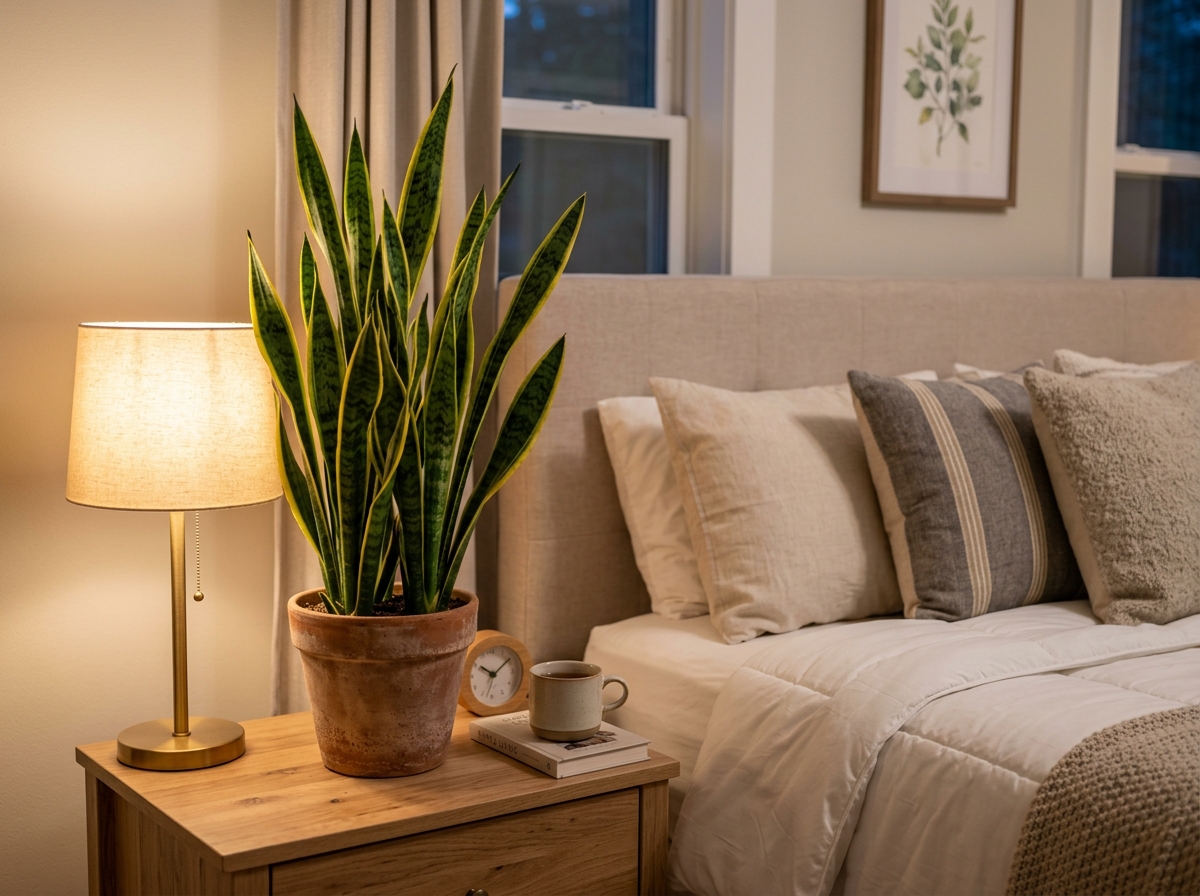
Snake plants are one of the most effective and low-effort solutions for improving indoor air quality. They’ve been studied by NASA for their ability to remove toxins like formaldehyde, benzene, and xylene from indoor air. And unlike most plants, they produce oxygen at night — making them especially useful in bedrooms.
They’re also nearly impossible to kill. No green thumb required.
This guide covers the best allergy-friendly plants — starting with the snake plant — so you can breathe easier at home without adding complexity to your routine.
Why the Snake Plant is an Allergy-Sufferer’s Best Friend
If you find yourself sneezing the moment you step inside your home, the culprit might be “stale” air trapped within your four walls. We often think of the snake plant as just a trendy piece of decor, but for those of us with sensitive respiratory systems, it is a biological powerhouse.
One of the most fascinating things about the snake plant (botanically known as Dracaena trifasciata) is its unique respiratory process. Most plants take in CO2 and release oxygen during the day while the sun is out. However, the snake plant utilizes Crassulacean Acid Metabolism (CAM). This means it keeps its stomata (pores) closed during the day to conserve water and opens them at night. Consequently, it produces oxygen while you sleep, which can significantly improve bedroom air quality and promote better rest.
Furthermore, these plants are excellent at reducing dust in the home. Their large, upright leaves act as natural filters, trapping airborne particles on their waxy surfaces before you can breathe them in. By regularly wiping the leaves, you effectively remove these allergens from your environment for good.
The Science of Air Purification
We aren’t just making these claims based on “plant parent” vibes; there is actual rocket science involved. The famous NASA Clean Air Study highlighted the snake plant as a top performer for filtering toxins from the air.
According to the NASA research on air pollution abatement, these plants are capable of removing four out of the five main toxins associated with sick building syndrome. This includes:
- Formaldehyde: Often found in carpets, upholstery, and cleaning products.
- Benzene: Found in plastics, synthetic fibers, and tobacco smoke.
- Xylene: Present in paint, lacquers, and adhesives.
- Trichlorethylene: Common in wood finishes and certain household cleaners.
While you would need a significant number of plants to completely scrub a room’s air, having a few strategically placed snake plant varieties is a fantastic start for anyone looking for top houseplants for allergies.
Improving Indoor Air Quality
Indoor air quality isn’t just about what’s in the air; it’s about how that air moves. Stagnant air allows Volatile Organic Compounds (VOCs) to settle, which can irritate the eyes, nose, and throat. At Mount Pilchuck, we emphasize the importance of easy-care plants for home air quality because they provide a passive way to mitigate these issues.
By absorbing carbon dioxide and releasing fresh oxygen, the snake plant helps refresh the “stale” feeling of a room. This is particularly helpful in modern, tightly sealed buildings where natural air exchange is limited.
Top Varieties: Snake Plant Laurentii and Beyond
When people talk about the snake plant, they are usually picturing the ‘Laurentii’ variety. It is the quintessential “architectural” plant, featuring upright, sword-like leaves that add structure to any corner. However, Sansevieria (the former genus name, now reclassified as Dracaena) is vast.
Most varieties share the same “tough as nails” personality, but they differ in look:
- Laurentii: Known for its vibrant yellow margins.
- Zeylanica: Features dark green, wavy horizontal stripes without the yellow border.
- Hahnii (Bird’s Nest): A dwarf variety that grows in a low rosette, perfect for desks.
- Moonshine: Boasts beautiful silvery-green leaves that look almost metallic.
To help you choose between the two most popular allergy-friendly options, we’ve put together this comparison:
| Feature | Snake Plant (D. trifasciata) | Spider Plant (C. comosum) |
|---|---|---|
| Primary Benefit | Nighttime oxygen & VOC removal | Formaldehyde & Carbon Monoxide removal |
| Growth Habit | Upright, architectural | Arching, “fountain” like |
| Light Tolerance | Very high (Low to Bright) | Medium (Bright indirect) |
| Water Needs | Low (Every 2-3 weeks) | Moderate (Weekly) |
| Pet Safety | Toxic if ingested | Completely safe |
Characteristics of Snake Plant Laurentii
The ‘Laurentii’ is a “best-seller” for a reason. Its vibrant yellow edges provide a pop of color that makes it stand out among other leafy plants for air purification. The leaves are thick and succulent, meaning they store water efficiently, which is why they are so forgiving if you forget a watering session.
Size Ranges and Home Placement
One of the best things about the snake plant is that it comes in various sizes to fit your specific living situation. Whether you are looking for indoor plants for small apartments or a large floor plant to anchor a living room, there is a size for you:
- Small: Usually 8-16 inches tall. Perfect for nightstands or bathroom counters.
- Medium: 13-20 inches tall. Great for side tables or entryways.
- Large: 22-24+ inches tall. These make excellent floor plants that can brighten up shadowy nooks.
Because they grow relatively slowly, you won’t have to worry about them outgrowing their space overnight.
Essential Care for Your Snake Plant
We often joke that the easiest way to kill a snake plant is to “over-care” for it. These plants thrive on a bit of healthy neglect. They are native to tropical West Africa, meaning they are used to dry spells and varying light conditions.
If you are looking for low-maintenance air-purifying plants, this is your gold standard. They don’t require constant misting or a strict fertilizing schedule to keep your air clean.
Sunlight and Watering Requirements
The snake plant is incredibly adaptable. While it prefers medium to bright indirect light, it is one of the few indoor plants for low light rooms that won’t immediately wither away. If you put it in a dark corner, it will simply grow slower and maintain its color.
Watering is the most critical part of care:
- Frequency: Every 2-3 weeks is usually plenty. In the winter, you might only water once a month.
- The Golden Rule: Always allow the soil to dry out completely between waterings. If the soil feels damp, put the watering can away!
- Mistake to Avoid: Never pour water into the center of the leaf rosette, as this can cause the plant to rot from the inside out. Pour water around the edges of the pot instead.
Soil, Fertilizer, and Potting Needs
To keep your plant happy in office spaces or homes, use a well-draining soil mix. A cactus or succulent potting mix is ideal because it doesn’t hold onto moisture for too long.
- Pots: Terracotta is a great choice because the porous material helps wick away excess moisture from the roots.
- Temperature: They are happiest between 70°F and 90°F. They can handle a bit of a dip, but keep them away from cold drafts or air conditioning vents, as temperatures below 50°F can cause damage.
- Fertilizer: You only need to feed them once or twice a year (during spring and summer) with a balanced, slow-release fertilizer.
Safety and Practical Considerations for Homeowners
While the snake plant is a hero for air quality, it does have one major drawback: it isn’t the best roommate for curious pets.
Is the Snake Plant Pet-Friendly?
Unfortunately, the snake plant is NOT pet-friendly. It contains saponins, which are natural chemicals the plant uses to protect itself from insects and fungi. If your dog or cat decides to take a nibble, it can cause gastrointestinal upset, including drooling, nausea, vomiting, and diarrhea.
If you have pets that like to chew on greenery, we recommend placing your snake plant on a high shelf or choosing indoor plants safe for pets like the Spider Plant or Boston Fern instead. For more details on toxicity, you can check the ASPCA guide to Mother-in-Law’s Tongue.
Recommended Accessories for Plant Health
To get the most out of your plant’s air-purifying abilities, a little maintenance goes a long way. Since these plants reduce dust by trapping it on their leaves, you need to remove that dust so the plant can continue to “breathe” and photosynthesize effectively.
We recommend:
- Microfiber Cloth: Use a damp cloth to wipe the leaves once a month.
- Leaf Spray: A gentle, natural leaf shine can help keep the pores clear and the leaves looking vibrant.
- Premium Potting Mix: Ensure your plant has the right nutrients from the start.
- Decorative Planters: Choose a pot with a drainage hole to prevent root rot while matching your home’s style.
Frequently Asked Questions about Snake Plants
How often should I water a Snake Plant Laurentii?
Water every 2-3 weeks, but always check the soil first. If the top two inches are still moist, wait a few more days. In brighter light, they may need water slightly more often; in low light, they can go much longer.
Can a snake plant survive in a windowless room?
Yes, for a while! They are incredibly hardy. However, no plant can survive in total darkness forever. If your room has no windows, we recommend using a small grow light or “rotating” the plant into a sunnier room for a week every month to recharge.
Why are the leaves on my snake plant turning yellow or mushy?
This is almost always a sign of overwatering. Mushy leaves at the base indicate root rot. If you catch it early, stop watering immediately and allow the soil to dry out completely. If the damage is severe, you may need to repot the plant in fresh, dry soil and trim away any blackened roots.
Conclusion
At Mount Pilchuck, we believe that your home should be a sanctuary where you can breathe deeply and feel your best. Integrating health-boosting plants like the snake plant is one of the simplest ways to improve indoor air circulation and reduce the allergens that make life difficult for allergy sufferers.
With its effortless style, legendary hardiness, and scientifically backed air-purifying benefits, the snake plant is the perfect addition to any modern home. Whether you’re a seasoned gardener or someone who has never owned a plant before, you can enjoy the clean air and architectural beauty these plants provide.
Ready to start your indoor garden? Explore more info about our indoor plant collection and find the perfect green companion for your space today!
