
Why Indoor Air Quality Matters for Allergy and Asthma Sufferers
The best plants for allergies and asthma are low-pollen, air-purifying varieties that filter indoor pollutants without triggering symptoms. Here’s a quick look at the top picks:
| Plant | Key Benefit | Care Level |
|---|---|---|
| Snake Plant | Releases oxygen at night, removes formaldehyde | Very easy |
| Peace Lily | Reduces mold spores, neutralizes benzene | Easy |
| Spider Plant | 95% formaldehyde removal rate (NASA) | Easy |
| Bamboo Palm | Natural humidifier, filters VOCs | Moderate |
| Areca Palm | Best air-humidifying plant, low pollen | Moderate |
| Chinese Evergreen | Dust-trapping leaves, low allergen output | Easy |
| Dracaena | Traps allergens in leaves, removes toxins | Easy |
If you spend most of your time indoors, here’s a sobering fact: the EPA says indoor air can be 2 to 5 times more polluted than outdoor air.
For anyone managing allergies or asthma, that’s a real problem. Dust mites, mold spores, pet dander, and chemical pollutants like formaldehyde and benzene all build up inside sealed, energy-efficient homes — and they can make symptoms significantly worse.
The idea of adding plants to fix this might seem counterintuitive, especially if spring pollen is already making your life miserable. But the right plants — ones that produce little to no airborne pollen and actively filter chemical irritants from the air — can genuinely support a healthier indoor environment.
NASA’s 1989 Clean Air Study showed that certain houseplants can remove toxins like formaldehyde, benzene, and carbon monoxide from enclosed spaces. The science isn’t perfect (more on that later), but it points to a real opportunity for allergy and asthma sufferers to breathe a little easier at home.

How Indoor Plants Impact Respiratory Health
When we think about allergies, we usually think about pollen floating through the air. However, indoor air quality is affected by much more than just seasonal blooms. Volatile Organic Compounds (VOCs), such as formaldehyde and benzene, are emitted by common household items like carpets, furniture, cleaning products, and even toilet paper.
The landmark study done by NASA in 1989 revealed that certain plants are remarkably efficient at filtering these chemical residues. For an asthma sufferer, these chemicals can be silent triggers that irritate the airways. By absorbing these toxins through their leaves and roots, plants act as natural biological filters.
Beyond chemical filtration, plants play a vital role in humidity regulation. Through a process called transpiration, plants release moisture into the air. This is particularly beneficial for those with asthma or dry coughs, as slightly higher humidity can soothe irritated respiratory tracts and prevent the mucus membranes from drying out.
Furthermore, plants contribute to oxygen production and the reduction of carbon dioxide. While most plants produce oxygen during the day, some specialized varieties continue this process at night, which can be a game-changer for sleep quality. If you want to dive deeper into the mechanics, check out more info about indoor plants that improve breathing.
The Best Plants for Allergies and Asthma: Top Recommendations
Choosing the best plants for allergies and asthma requires looking for specific traits: smooth leaves that don’t trap dust, low or no pollen production, and high air-purification scores.
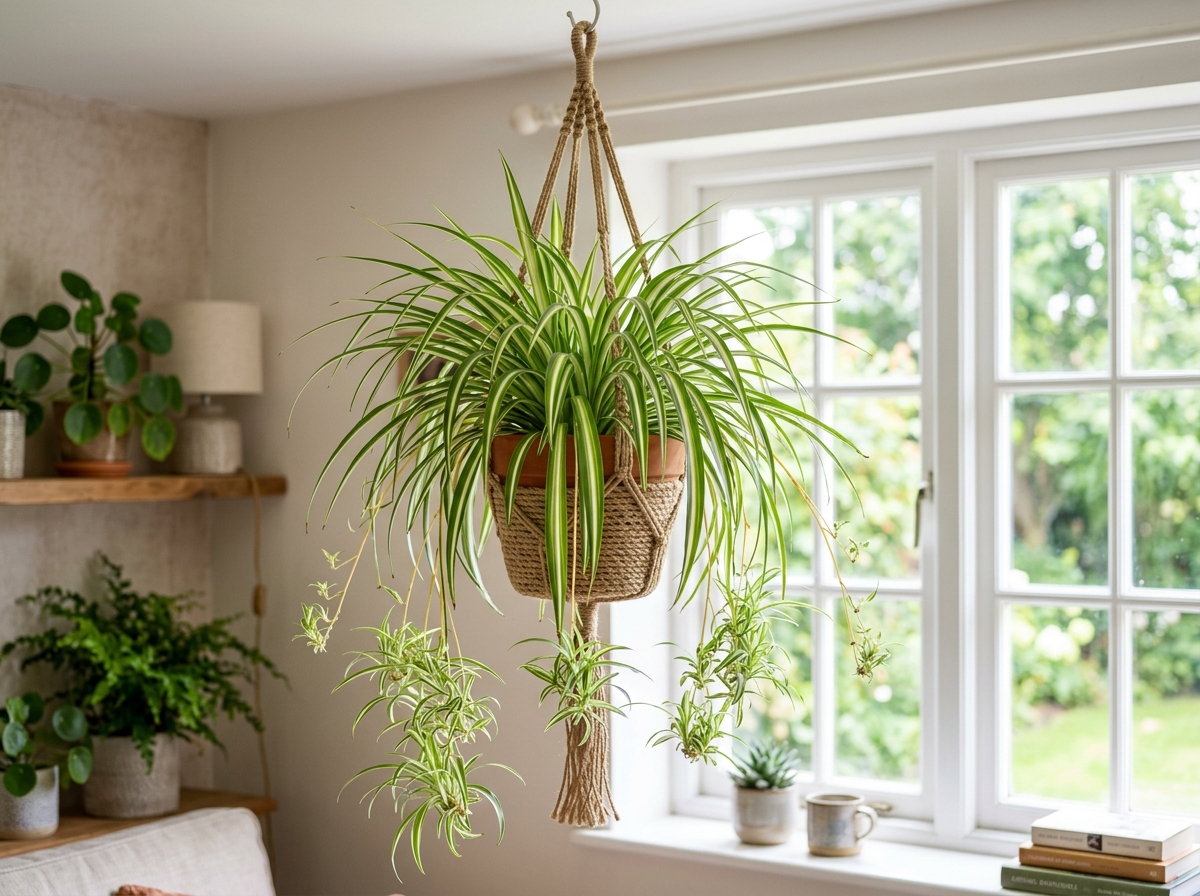
Spider Plant (Chlorophytum comosum)
The Spider Plant is a powerhouse for respiratory health. According to NASA research, it boasts a 95% removal rate of formaldehyde. It is also excellent at battling carbon monoxide and xylene. Because it is incredibly hardy and non-toxic to pets, it’s often the first recommendation for a healthy home.
Bamboo Palm (Chamaedorea seifritzii)
If you have the space for a plant that can grow up to 10 feet tall, the Bamboo Palm is an excellent choice. It acts as a natural humidifier and is highly effective at filtering out benzene and trichloroethylene. It prefers indirect light and consistently moist (but not soggy) soil.
Dracaena Family
Plants in the Dracaena family, such as ‘Janet Craig’ or the Marginata, are renowned for their ability to trap allergens directly on their long, shiny leaves. They are particularly good at removing formaldehyde from the air. For more tips on how these greens keep your home clean, read more info about indoor plants that reduce dust.
English Ivy (Hedera helix)
While it’s often seen climbing outdoor walls, English Ivy is a fantastic indoor companion for those with mold allergies. Studies have suggested that English Ivy can significantly reduce the amount of airborne mold spores in a room. However, be cautious if you have pets or small children, as the leaves can be toxic if ingested.
Areca Palm (Chrysalidocarpus lutescens)
The Areca Palm is often cited as the most efficient natural air humidifier. In the dry winter months, when indoor heating can make asthma symptoms flare up, this palm releases essential moisture back into the room. It also has a very low pollen output, making it one of the safest large plants for sensitive lungs.
Chinese Evergreen (Aglaonema)
This plant is a favorite because it thrives in low-light conditions and temperatures between 70-72°F. It features broad leaves that are excellent at catching dust particles before they reach your nose. It’s a “set it and forget it” plant that works hard to keep your air clean.
Why Snake Plants are the Best Plants for Allergies and Asthma
The Snake Plant (Sansevieria), also humorously known as “Mother-in-Law’s Tongue” due to its sharp leaves, is perhaps the ultimate bedroom plant for asthma sufferers.
Unlike most plants that take in oxygen at night, the Snake Plant is one of the few that converts CO2 into oxygen during the evening hours. This boost in nighttime oxygen can lead to better sleep and easier breathing for those with chronic respiratory issues. It is also a champion at removing formaldehyde, nitrogen oxide, and benzene.
Its low-maintenance nature means it doesn’t need frequent watering, which reduces the risk of mold growth in the soil—a common allergy trigger. For a comprehensive list of similar benefits, see more info about top houseplants for allergies.
Using Peace Lilies as the Best Plants for Allergies and Asthma
The Peace Lily (Spathiphyllum) is as functional as it is beautiful. NASA’s research indicates that the Peace Lily can improve air quality by as much as 60%. It is particularly effective at neutralizing benzene, formaldehyde, and even ammonia.
One of its most unique benefits for allergy sufferers is its ability to absorb mold spores from the air and use them as food. This makes it a great addition to bathrooms or kitchens where moisture levels are higher.
While it does produce flowers, the pollen is heavy and sticky, meaning it’s much less likely to become airborne compared to the light, wind-blown pollen of outdoor grasses. However, if you are extremely sensitive, you can simply snip the spadix (the center part of the flower) to remove the pollen entirely.
Plants to Avoid for Allergy and Asthma Sufferers
Not all greenery is created equal. Some plants can actually make your symptoms worse by introducing high levels of pollen or irritating fragrances into your home.
- High-Pollen Bloomers: Avoid plants that rely on wind for pollination. This includes many varieties of daisies, sunflowers, and chrysanthemums.
- Male Plants: In some species, male plants produce pollen while female plants do not. If you are choosing a dioecious species (like certain palms), ensure you are getting a female specimen.
- Ferns: While they look lush, many ferns release tiny spores that can be just as irritating to the lungs as pollen.
- Fragrant Blooms: Strongly scented plants like hyacinths, jasmine, or certain lilies can trigger “vasomotor rhinitis,” where the strong smell causes nasal congestion and sneezing even without a formal allergy.
- Fuzzy Leaves: Plants like African Violets have fuzzy leaves that act as magnets for dust. Unless you are prepared to clean them with a soft brush daily, they are best avoided.
- Orchids: While beautiful, their pollen can sometimes cause contact dermatitis or respiratory irritation in highly sensitive individuals.
It is also important to remember the EPA cautions on plant effectiveness. While plants help, they are not a substitute for proper ventilation and high-quality air filtration.
Best Practices for Maintaining an Allergy-Friendly Indoor Garden
Owning the best plants for allergies and asthma is only half the battle. How you care for them determines whether they help you breathe or become a source of irritation themselves.
Dusting and Leaf Cleaning
Leaves act as natural air filters, but they can’t work if they are coated in dust. Once a week, use a damp microfiber cloth to gently wipe the leaves. This removes both household dust and any trapped allergens like pet dander. Smooth-leaved plants like the Snake Plant or Dracaena are the easiest to maintain in this regard.
Preventing Mold Growth
Mold in the potting soil is a major trigger for asthma attacks. To prevent this:
- Avoid Overwatering: Only water when the top inch of soil is dry.
- Use Well-Draining Pots: Ensure your pots have drainage holes so water doesn’t sit at the bottom.
- Peat-Free Soil: Consider using peat-free potting mixes, which can sometimes be less prone to certain types of mold.
- Top-Dress with Gravel: Placing a layer of decorative pebbles or gravel over the soil can help prevent mold spores from becoming airborne.
Humidity Monitoring
While plants increase humidity, you don’t want your home to become a jungle. Aim for a humidity level between 40% and 60%. Anything higher can encourage the growth of dust mites and mold elsewhere in your home.
Frequently Asked Questions about Best Plants for Allergies and Asthma
How many plants do I need to actually clean the air?
This is a common question with a complex answer. NASA’s original suggestion for noticeable air-purifying benefits was 15 to 18 medium-sized plants for a 2,000-square-foot home. However, a more recent 2019 study noted that to truly clean the air of VOCs at a rate comparable to modern ventilation, you might need as many as 10 plants per square foot.
Don’t let that discourage you! Even 3 to 5 well-placed plants in a bedroom or office can make a localized difference in air quality and humidity.
Can indoor plants trigger asthma attacks?
Yes, if they are the wrong kind or poorly maintained. The primary triggers from plants are airborne pollen, mold from overwatered soil, and dust accumulation on leaves. By choosing low-allergen varieties and following the cleaning tips above, you can minimize these risks significantly.
Which air-purifying plants are safe for pets?
Safety for your furry friends is paramount. The Spider Plant, Areca Palm, Bamboo Palm, and Boston Fern are generally considered non-toxic. However, the Peace Lily and Dracaena can be toxic if chewed or ingested by cats and dogs. Always check the Better Homes & Gardens plant encyclopedia for specific toxicity details before bringing a new plant home.
Conclusion
At Mount Pilchuck, we believe that your home should be a sanctuary where you can breathe deeply and comfortably. Incorporating the best plants for allergies and asthma is a wonderful way to embrace biophilic design while actively improving your indoor environment.
While plants aren’t a “magic bullet” that replaces medical treatment or high-quality HEPA filters, they are valuable allies. They filter chemicals, regulate moisture, and provide a calming connection to nature that reduces stress—which is itself a known trigger for asthma symptoms.
Ready to start your indoor garden? Start with one or two plants, monitor your symptoms, and gradually build your own air-purifying oasis. For more expert advice on creating a healthy home, breathe easier with our guide to indoor plants.
