
Why Allergy Sufferers Can’t Ignore the Plants Around Them
Allergy-friendly plants are low-pollen or pollen-free species that don’t trigger sneezing, itchy eyes, or breathing problems — and the best ones can actually improve the air around you.
Quick answer — the most allergy-friendly plants for your home:
| Plant | Why It’s Safe |
|---|---|
| Snake Plant | Rarely flowers indoors, traps dust on leaves |
| ZZ Plant | Almost never releases pollen, low maintenance |
| Peace Lily | Heavy, sticky pollen that stays put (not airborne) |
| Areca Palm | Natural air humidifier, no allergenic pollen |
| Dracaena | Traps allergens in its deep-green leaves |
| Bamboo Palm | Filters indoor air, tolerates low light |
| Chinese Evergreen | Very low pollen, hard to kill |
If you live in a city, your indoor air is probably worse than you think. Dust mites, pet dander, mold spores, and airborne chemicals build up fast in sealed, poorly ventilated spaces. That stagnant air drags down your energy, sleep, and health every single day.
Most people assume plants make allergies worse. Some do. But the right plants do the opposite — they trap airborne particles on their leaves, filter out volatile organic compounds (VOCs), and add just enough humidity to stop dry air from irritating your airways.
The key is knowing which plants help and which ones quietly make things worse.
The difference usually comes down to one thing: how the plant spreads its pollen. Wind-pollinated plants throw fine, lightweight pollen into the air by the billions of grains. Insect-pollinated plants produce heavier, stickier pollen that clings to bees and butterflies instead of floating into your lungs.
That single distinction changes everything about which plants belong in your home.

Understanding the Science of Allergy-Friendly Plants
To truly master a sneeze-free environment, we need to look at the biology of how plants reproduce. It sounds like a high school science lecture, but we promise it’s the secret code to a happy nose.
Plants generally fall into two categories based on their pollination methods. Anemophilous species are wind-pollinated. These are the “villains” for allergy sufferers. Think of oak trees, ragweed, and most grasses. Because they rely on the wind to carry their genetic material to another plant, they produce massive quantities of tiny, buoyant pollen grains. An individual elm tree can produce roughly 1 billion pollen grains, while a single oak tree can pump out a staggering 500 billion. These grains can travel hundreds of miles; researchers have even tracked mountain cedar pollen all the way from Texas to Canada!
On the flip side, we have entomophilous plants. These are insect-pollinated. They don’t need to fill the air with “pollen dust” because they have a delivery service: bees, butterflies, and moths. Their pollen is typically larger, heavier, and covered in a sticky substance that ensures it stays on the insect (or the flower) rather than your nasal passages.
The OPALS Scale: Your New Best Friend
When we select allergy-friendly plants, we often look at the Ogren Plant Allergy Scale, or OPALS. Developed by horticulturalist Thomas Ogren, this is a 1-to-10 ranking system that determines how likely a plant is to cause an allergic reaction.
- Rank 1: Least allergenic (The “Safe Zone”).
- Rank 10: Most allergenic (The “Sneeze Zone”).
According to the Scientific research on landscape plant selection criteria provided by the AAAAI, choosing plants with low OPALS ratings is a proven strategy for reducing local allergen exposure. While you can’t control what your neighbor plants, you can significantly reduce the “pollen load” in your immediate vicinity by choosing entomophilous species.
Pollen Comparison Table
| Feature | Wind-Pollinated (Anemophilous) | Insect-Pollinated (Entomophilous) |
|---|---|---|
| Pollen Size | Tiny, lightweight, easily airborne | Large, heavy, sticky |
| Quantity | Produced in billions | Produced in small amounts |
| Flower Appearance | Plain, small, often lack petals | Bright, showy, fragrant, colorful |
| Allergy Risk | High (OPALS 7-10) | Low (OPALS 1-3) |
| Examples | Ragweed, Oak, Bermuda Grass | Orchids, Snapdragons, Zinnias |
Top Allergy-Friendly Plants for Your Home
Creating an “urban jungle” shouldn’t mean living in a cloud of irritants. In fact, over 10-20 million people in many regions deal with indoor allergies that are actually worsened by poor air quality, not just pollen. This is where the right indoor plants step in to save the day.
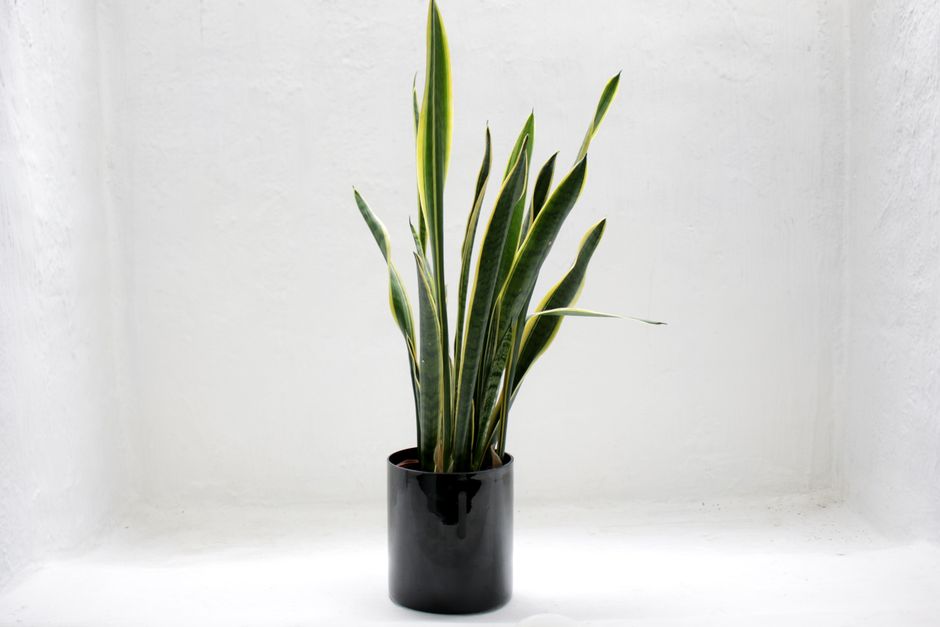
Best Allergy-Friendly Plants for Indoor Air Purification
In 1989, NASA conducted a famous Clean Air Study that changed how we look at houseplants. They found that certain plants are incredible at removing VOCs like formaldehyde, benzene, and trichloroethylene from the air. While the study suggested 15–18 medium plants per 2,000 sq ft for maximum benefits, even adding 3–5 plants to a small apartment can make a noticeable difference in air freshness.
1. The Snake Plant (Sansevieria)
Also known as “Mother-in-law’s Tongue” (we’ll let you decide if that’s a compliment or a warning), this is the gold standard for allergy-friendly plants. It is nearly impossible to kill and rarely flowers indoors, meaning zero pollen risk. Its sword-shaped leaves act like natural filters, trapping dust and pet dander. Plus, unlike most plants, it releases oxygen at night, making it the perfect bedroom companion. You can learn more about top houseplants for allergies to see why the Snake Plant always tops our list.
2. The Peace Lily (Spathiphyllum)
The Peace Lily is a bit of a paradox. It produces a large white flower, which usually scares allergy sufferers. However, the pollen of a Peace Lily is heavy and sticky. It doesn’t become airborne easily. If you are extremely sensitive, you can simply pinch off the spadix (the center part of the flower) when it appears. Beyond its beauty, it is a powerhouse at filtering mold spores from the air. For more details, check out the research on Spathiphyllum from North Carolina State.
3. Dracaena (Including Janet Craig and Marginata)
Dracaena varieties are renowned for their ability to trap allergens. The ‘Janet Craig’ variety (named after a nurseryman’s daughter!) has deep-green, shiny leaves that grab onto dust particles like a magnet. The Dracaena fragrans is particularly effective at removing formaldehyde, which is often found in household carpets and furniture glues.
Low-Maintenance Palms and Foliage
If you want a tropical vibe without the tropical sneezes, palms are your best bet. Most indoor palms are dioecious, meaning they have separate male and female plants. If you stick to the right varieties, you get all the aesthetic with none of the pollen.
- Areca Palm: This is widely considered the most efficient air humidifier. During dry winter months when your nasal passages are irritated by heaters, the Areca palm pumps moisture back into the room, acting as a natural humidifier.
- Lady Palm (Rhapis excelsa): Not only is it allergy-friendly, but it’s also highly resistant to common household insects. It’s a versatile choice that thrives in both dry and humid climates.
- Bamboo Palm: These are fantastic for low-light corners and are excellent at filtering out airborne toxins.
Using these indoor plants that reduce dust can significantly lower the amount of particulate matter floating around your living room, making it easier for your HEPA filters to do their job.
Designing a Sneeze-Free Outdoor Landscape
Gardening should be a joy, not a source of misery. The secret to a low-allergy garden is choosing plants that rely on birds, bees, or butterflies. These plants usually have showy, bright flowers because they need to advertise their presence to pollinators.
Creating a Low-Pollen Garden with Allergy-Friendly Plants
When selecting outdoor flowers, look for “tight” blooms or sterile hybrids. These varieties have been bred to produce little to no pollen, making them safe for even the most sensitive gardeners.
- Snapdragons: These have a unique “closed” flower structure that keeps the pollen tucked away inside. Only a heavy bumblebee has the strength to open the “dragon’s mouth,” meaning the pollen never hits the breeze.
- Zinnias: Specifically, the ‘Profusion’ series is a fantastic choice. They are bred for disease resistance and low pollen production.
- Hydrangeas: Most hydrangeas are safe, but sterile varieties like ‘Endless Summer’ produce no pollen at all.
- Geraniums (Cranesbill): These produce very little airborne pollen and are mostly insect-pollinated.
- Boxwood: If you need a hedge, Boxwood is a winner because it is often kept pruned, preventing it from flowering and producing pollen.
For those who want to dive deeper into outdoor planning, we recommend checking out these smart gardening tips for allergy sufferers from the Asthma and Allergy Foundation of America.
Selecting Trees and Edibles for the Yard
The biggest mistake gardeners make is planting male trees. In an effort to avoid messy fruits or seeds, many cities and homeowners plant only male clones of trees like Willows, Maples, or Aspens. This has created a “pollen storm” in urban areas.
The Golden Rule: Always choose female trees. While they might drop some seeds or berries, they produce zero pollen.
Edible Allergy-Friendly Plants
You can even grow your own food without triggering hay fever! Some of the best allergy-friendly plants for your garden include:
- Sweet Potato: Unlike white potatoes, which contain solanine that can bother some people, sweet potatoes are gentle on the system and have beautiful, non-invasive flowers.
- Cucumbers: These are a true “hydration legend.” Research on hydrating cucumbers shows they are 96 percent water. Growing them on a trellis improves airflow and reduces the risk of mold.
- Quinoa: As a pseudocereal, quinoa is naturally gluten-free and produces very little allergenic pollen compared to traditional wheat or rye crops.
Plants to Avoid and Maintenance Best Practices
Even the best allergy-friendly plants can become a problem if they aren’t maintained correctly. Dust and mold are often the “hidden” triggers that people mistake for plant allergies.
The “Blacklist”: Plants to Keep Away
If you suffer from severe allergies, you should generally avoid:
- Ferns: While they don’t have pollen, they reproduce via spores. These tiny spores can be just as irritating to the lungs as pollen.
- Weeping Fig (Ficus benjamina): This plant is a double threat. It is a common host for mold, and its sap contains latex, which can cause skin irritation or respiratory issues for those with latex sensitivities.
- Yucca: The pointed leaves are dust magnets, and the pollen is a known irritant.
- Fuzzy-Leaved Plants: Plants like African Violets have “hairy” leaves that trap dust and are very difficult to clean without damaging the plant.
Maintenance Tips for a Healthy Home
- The Damp Cloth Method: Wipe your plant leaves weekly with a damp microfiber cloth. This removes the dust and pet dander the plant has “trapped” for you.
- Monitor Soil Moisture: Mold in houseplant soil is a huge issue. Only water when the top inch of soil is dry. Overwatering creates a breeding ground for fungi.
- Use a Hygrometer: Most black molds need humidity levels above 65% to thrive. Keep your home between 40-60% humidity.
- Air Purifier Synergy: Plants are great, but they aren’t a total replacement for technology. Using air purifiers for allergies alongside your greenery creates a multi-layered defense system.
Frequently Asked Questions about Allergy-Friendly Plants
Do houseplants really improve indoor air quality?
Yes, but with a caveat. While plants like the Snake Plant and Dracaena definitely filter VOCs and trap dust, you would need a lot of them to match the speed of a mechanical HEPA filter. Think of plants as “passive cleaners” that work 24/7 to maintain a healthy indoor ecology, rather than a quick fix for a smoky room.
Which plants are the worst for hay fever sufferers?
Stay far away from wind-pollinated “plain” flowers. Ragweed is the most notorious, but ornamental grasses, daisies, and sunflowers (the ones with heavy yellow dust) are also major triggers. If you love sunflowers, look for pollen-free hybrids like ‘Sunbeam’.
Are female trees better for reducing neighborhood pollen?
Absolutely. This is a concept called “Botanical Sexism.” Because male trees are “cleaner” (no messy fruit), they are over-planted in cities. Choosing female trees for your own yard helps balance the local environment and ensures at least your property isn’t contributing to the pollen count.
Conclusion
At Mount Pilchuck, we believe that everyone deserves to enjoy the beauty of nature without the burden of constant sneezing. Creating a healthy indoor ecology isn’t about getting rid of plants; it’s about choosing the right partners for your home. By selecting allergy-friendly plants like the Snake Plant, Areca Palm, and Peace Lily, you are essentially installing living air filters that work around the clock to boost your health.
Whether you are designing a lush outdoor garden or a small bedside sanctuary, remember to focus on insect-pollinated species and maintain a regular dusting schedule. Sneeze-free living is possible, and it starts with a single green leaf.
Ready to transform your space? Explore our full guide to indoor plants and start your journey toward a cleaner, calmer home today.
