
Why an Air Freshener Plant for Home Beats a Bottle Every Time
The best air freshener plant for home use combines natural fragrance with real air-cleaning power. Here are the top picks to get started:
| Plant | Scent/Benefit | Light Needs |
|---|---|---|
| Lavender | Calming floral scent | Bright indirect |
| Peace Lily | Subtle scent + removes benzene | Low to medium |
| Jasmine | Sweet fragrance | Bright indirect |
| Vicks Plant | Menthol-like aroma | Partial sun |
| Snake Plant | Odor-absorbing, no scent | Low to bright |
| Citronella Geranium | Citrus scent | Bright, 6+ hrs |
| Frankincense Plant | Resin-like aroma | Bright indirect |
| Bamboo Palm | Calming, purifying | Low to medium |
Most homes trap more pollution than the air outside. Cleaning products, furniture, and building materials all release invisible chemicals called VOCs — volatile organic compounds. They build up quietly, and you breathe them in all day.
The good news? A well-chosen houseplant can do more than look nice on a shelf.
NASA researchers found in their landmark 1989 study that common indoor plants can absorb airborne pollutants like formaldehyde, benzene, and trichloroethylene. More recently, research published through the NIH found that a combination of ZZ plants and snake plants removed over 95% of toluene and formaldehyde within just 48 hours.
Beyond purification, many plants also release natural scents that make a room smell genuinely fresh — no synthetic sprays needed.
Whether you’re dealing with stale apartment air, allergens, or just want a healthier space to live and work in, the right plant can make a real difference.
The Science of Using an Air Freshener Plant for Home
When we talk about an air freshener plant for home, we aren’t just talking about a pretty smell. We are talking about a biological filtration system. The science behind this started in space—literally.
In the late 1980s, NASA scientist Bill Wolverton conducted the famous 1989 study on indoor air pollution to find ways to clean the air in space stations. He discovered that plants don’t just “breathe” carbon dioxide; they actually pull toxins out of the air through their leaves and roots.
Understanding VOCs: The Invisible Roommates
Most of us have “invisible roommates” like formaldehyde (found in carpets and plywood), benzene (found in plastics and synthetic fibers), and trichloroethylene (found in paints and varnishes). These are known as Volatile Organic Compounds (VOCs). According to Houseplants and air quality experts, these pollutants can lead to “sick building syndrome,” causing headaches and respiratory issues.
Plants act as a natural air freshener plant for home by absorbing these gases through tiny pores in their leaves called stomata. Microorganisms in the soil then help break down these toxins. It’s a beautiful, circular system that works 24/7.
Mechanical Purifiers vs. Nature’s Filter
While we love a good HEPA filter, plants offer benefits that a plastic box with a fan simply can’t match.
| Feature | Mechanical Air Purifier | Air-Purifying Plants |
|---|---|---|
| Filter VOCs | Only high-end carbon filters | Naturally effective |
| Humidity Control | Often dries out the air | Increases humidity via transpiration |
| Energy Usage | Requires electricity | Powered by sunlight |
| Aesthetics | Industrial/Functional | Beautiful and calming |
| Scent | None (or ozone-like) | Natural botanical fragrances |
Top 10 Varieties for a Natural Home Environment
If you are ready to turn your living room into a botanical sanctuary, you need the right players on your team. Here are our favorite picks for an air freshener plant for home that packs a punch.
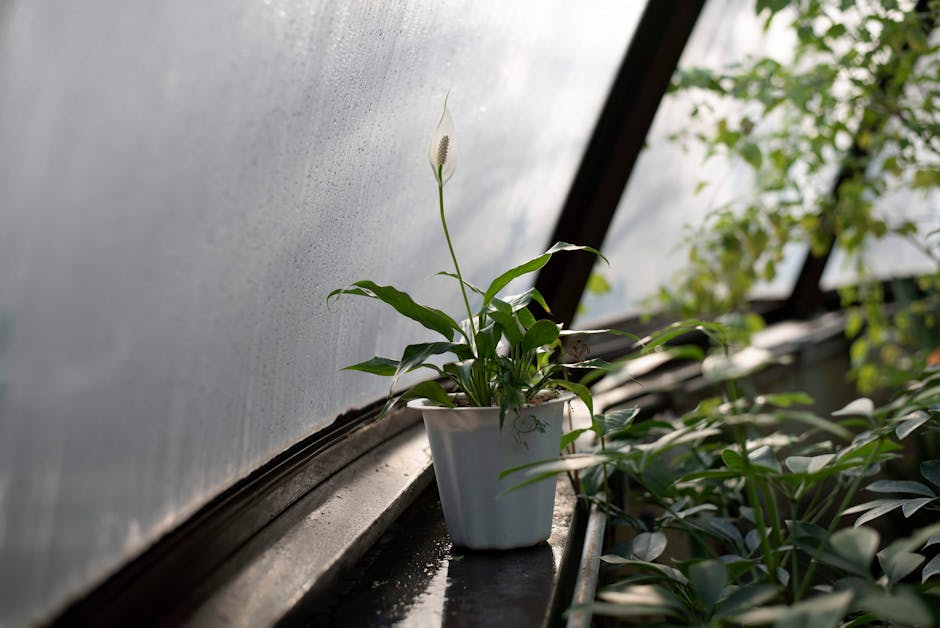
1. The Peace Lily (Spathiphyllum)
The Peace Lily is a superstar in indoor greenery. Not only does it produce elegant white blooms, but it is also on NASA’s top 10 list of air-cleaning plants. It is particularly good at removing benzene, formaldehyde, and even ammonia. Plus, it’s a drama queen—if you forget to water it, it will wilt completely, then “magically” revive within a day of being watered.
2. Snake Plant (Sansevieria)
Also known as “Mother-in-Law’s Tongue,” this plant is nearly indestructible. It is unique because it releases oxygen at night, making it the perfect air freshener plant for home bedrooms. It’s also a champion at filtering xylene and nitrogen oxides.
3. ZZ Plant (Zamioculcas zamiifolia)
The ZZ plant is the ultimate “set it and forget it” plant. A NIH study on ZZ and Snake plants showed that this duo can remove over 95% of certain pollutants in just two days. Its waxy, glossy leaves look like they’ve been polished, but that’s just their natural shine!
4. Dracaena Reflexa
Commonly known as the “Song of India,” this plant is a decorative powerhouse. It ranks fifth on NASA’s list and is excellent for filtering out formaldehyde and trichloroethylene. It’s a slow grower but can eventually reach 5 feet indoors. For those looking for more easy-care plants for home air quality, this is a top contender.
5. Spider Plant (Chlorophytum comosum)
The Spider Plant is the gift that keeps on giving. It produces “pups” or babies that hang down like little spiders. It’s incredibly effective at battling carbon monoxide and formaldehyde.
6. Boston Fern (Nephrolepis exaltata)
If you have a humid bathroom, the Boston Fern is your best friend. It acts as a natural humidifier and is great at removing xylene from the air.
7. Areca Palm (Dypsis lutescens)
For larger rooms, the Areca Palm is a “botanical guardian.” It transpires a significant amount of water into the air, making it a great choice for dry winter months.
Fragrant Favorites: The Best Air Freshener Plant for Home
While all plants clean the air, some go the extra mile by smelling incredible. If you want a specific air freshener plant for home that replaces your candles, look no further.
- Vicks Plant (Plectranthus amboinicus): This succulent herb has fuzzy leaves that smell exactly like menthol or Vicks VapoRub when touched. It’s a fun, medicinal-scented addition to any windowsill.
- Frankincense Plant (Plectranthus coleoides): Often called “false frankincense,” this plant has a woody, resinous aroma. It’s a vigorous grower and looks lovely in hanging baskets.
- Citronella Geranium: While it doesn’t actually repel mosquitoes on its own (you’d have to crush the leaves), it smells like fresh lemons and sunshine.
- Lavender: A classic for a reason. Lavender provides a calming, floral scent that can help reduce stress and improve sleep.
- Jasmine: Known for its sweet, intoxicating fragrance, Jasmine can fill an entire room with scent during its blooming period.
For more suggestions, we have more info about leafy plants for purification available on our site.
Low-Light Air Freshener Plant for Home Solutions
Not everyone has a sun-drenched solarium. If you live in a cozy apartment with limited light, you can still enjoy the benefits of an air freshener plant for home.
- Chinese Evergreen (Aglaonema): These come in beautiful variegated patterns and thrive in low-light corners.
- Bamboo Palm: Perfect for shady spots, this palm is a master at filtering formaldehyde and benzene.
- English Ivy: A classic climber that is excellent for filtering mold spores—great for basement apartments!
- Heartleaf Philodendron: This trailing beauty is almost impossible to kill and works hard to scrub the air of VOCs.
If you are working with a tight space, check out our guide on small potted plants for apartments.
Essential Care and Maintenance for Indoor Greenery
We want your plants to thrive, not just survive! A healthy plant is a better air purifier. If a plant is struggling, its “pores” can become clogged, and it won’t be as effective at cleaning your air.
Watering and Soil
The number one killer of indoor plants is overwatering. Most of the plants we’ve discussed—especially the Snake Plant and ZZ Plant—prefer to dry out completely between waterings. Use a well-draining soil mix (adding perlite or sand helps!) to ensure roots don’t sit in soggy mud.
Light and Humidity
Match your plant to your window.
- South-facing: Intense light (Citronella, Lavender).
- East/West: Bright indirect light (Peace Lily, Dracaena).
- North: Low light (ZZ Plant, Snake Plant).
If your home is dry, especially in the winter, consider misting your ferns and palms or using a pebble tray to boost humidity. For more tips, we have more info about low-maintenance plants to help you keep things simple.
Propagation: Grow Your Green Family
Many of these plants are easy to multiply. You can take stem cuttings of your Vicks Plant or Frankincense plant and root them in water. Within a few weeks, you’ll have a new air freshener plant for home to give to a friend or move to another room!
Safety First: Pet-Friendly and Non-Toxic Choices
As much as we love plants, we love our furry friends more. Some air-purifying plants can be toxic if chewed on. According to ASPCA guidelines, it is important to choose wisely if you have curious cats or dogs.
Safe Picks for Pet Owners
- Spider Plant: Completely non-toxic and fun for cats to bat at (though we don’t recommend letting them eat it!).
- Boston Fern: Safe and lush, perfect for hanging high out of reach anyway.
- Areca Palm: A great non-toxic alternative to the more dangerous Sago Palm.
- Calathea: These “prayer plants” are beautiful, pet-safe, and great air cleaners.
- Bamboo Palm: Another safe bet for homes with pets.
Why Greenery Matters for Your Mind
Beyond the physical air quality, there are significant mental health benefits of greenery. Studies show that being around plants can lower cortisol levels (the stress hormone) and boost productivity by up to 15%. If you’re looking for more info about budget-friendly plants, you’ll find that a small investment in a plant can lead to a big return in your daily mood.
Frequently Asked Questions about Air-Purifying Plants
How many plants are needed per room for effective air purification?
While one plant is better than none, NASA suggests having at least one plant per 100 square feet of living space for noticeable air-cleaning benefits. For a standard living room, 2 to 3 medium-sized plants (like a Peace Lily and a Snake Plant) are a great starting point.
Which plants are best for repelling insects while freshening the air?
The Vicks Plant and Citronella Geranium are famous for their scent-based repellent properties. While they won’t create an invisible force field against all bugs, their essential oils (like carvacrol and thymol) are naturally unappealing to many pests. Planting them near windows or doorways can help keep the “uninvited guests” at bay.
Can indoor plants replace mechanical HEPA air purifiers?
In a word: no. Plants are excellent at removing gaseous pollutants (VOCs) and adding oxygen, but they aren’t as fast at removing heavy dust, pet dander, or smoke particles as a mechanical HEPA filter. We recommend a “teamwork” approach: use a mechanical filter for dust and allergens, and use an air freshener plant for home to handle the chemical toxins and provide a beautiful, natural scent.
Conclusion
At Mount Pilchuck, we believe that your home should be a sanctuary. Incorporating an air freshener plant for home is one of the easiest, most sustainable ways to improve your indoor environment. Whether it’s the menthol kick of a Vicks Plant, the elegant purification of a Peace Lily, or the indestructible nature of a Snake Plant, there is a botanical buddy for every room.
By choosing natural greenery over synthetic sprays, you’re reducing your exposure to even more chemicals while boosting your mood and reducing stress. If you’re ready to dive deeper into natural home care, you can breathe easy with DIY recipes for other natural scents, or explore our indoor plant collection to find your next green roommate.
Happy planting, and breathe deep!
