
Your Indoor Air Is More Polluted Than You Think
Bright light air cleaning plants are one of the simplest ways to fight back against the toxic air hiding inside your home or office.
Here are the best air-purifying plants that thrive in bright light:
| Plant | Key Pollutants Removed | Light Needed |
|---|---|---|
| Florist’s Chrysanthemum | Benzene, formaldehyde, ammonia, xylene, trichloroethylene | Bright light |
| Barberton Daisy | Benzene, formaldehyde, trichloroethylene, xylene | Bright to full sun |
| English Ivy | Benzene, formaldehyde, xylene, trichloroethylene | Bright, fluorescent |
| Aglaonema (Chinese Evergreen) | Benzene (up to 92% reduction) | Bright indirect light |
Most people assume air pollution is an outdoor problem — smog, exhaust, industrial smoke. But research shows people spend up to 90% of their time indoors, where pollutant concentrations frequently exceed outdoor levels.
The culprits are everywhere: furniture, cleaning products, building materials. They silently release volatile organic compounds (VOCs) like benzene, formaldehyde, and trichloroethylene into the air you breathe every day. Long-term exposure is linked to respiratory issues, fatigue, and even increased cancer risk.
The good news? Certain houseplants absorb these pollutants directly through their leaves and roots — a process called phytoremediation. And the ones that thrive in bright, sunny spots tend to be among the most powerful performers.
Below, we break down exactly which bright light plants work hardest, what the science says, and how to use them effectively in your space.
Top Bright Light Air Cleaning Plants
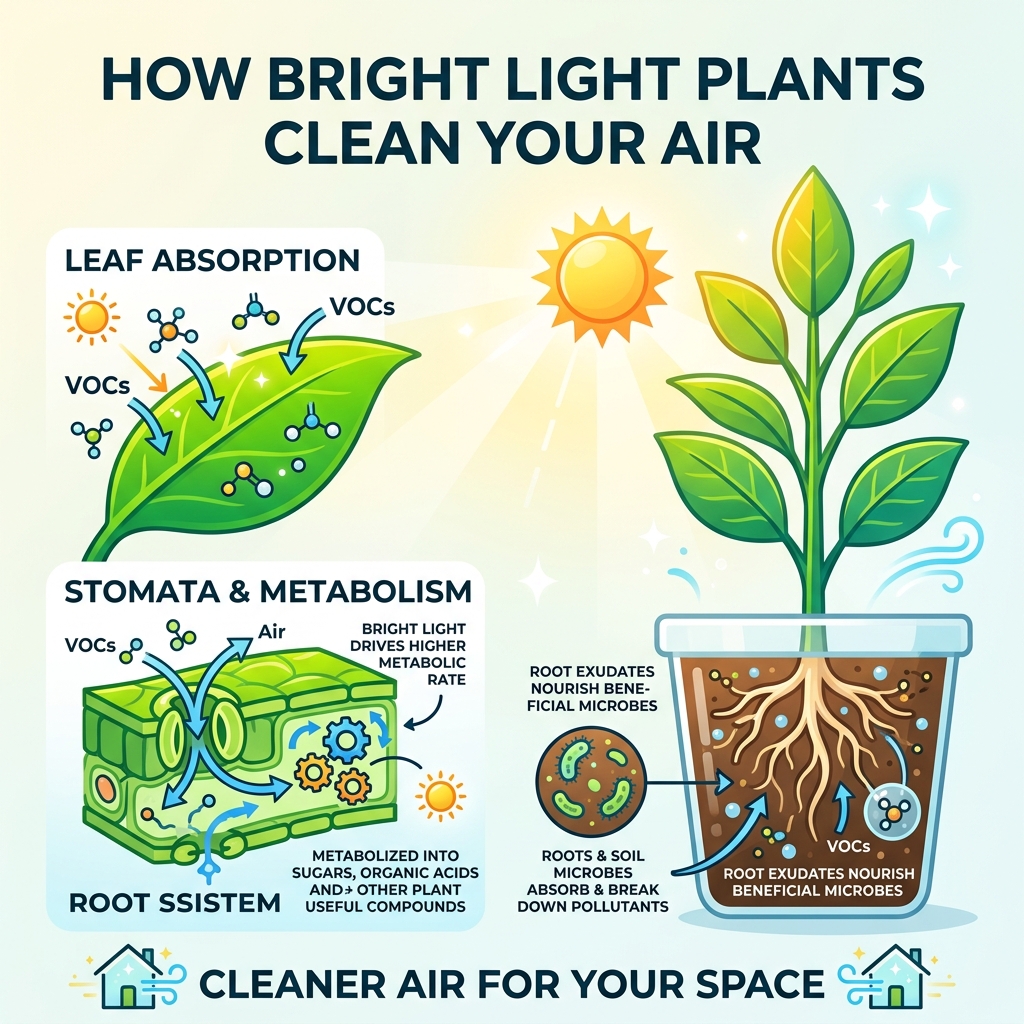
When we talk about bright light air cleaning plants, we are looking for the heavy hitters of the botanical world. These aren’t just pretty faces; they are biological machines fueled by the sun. While many low-light plants are famous for their resilience, sun-loving varieties often have higher metabolic rates, meaning they can process air and “scrub” it more aggressively.
The variety of pollutants found in modern homes is staggering. From the benzene in your new carpet to the formaldehyde in your particleboard bookshelf, our indoor environments are often a cocktail of chemicals. Thankfully, nature has provided us with a complete list of plants for air purification that can help mitigate these risks.
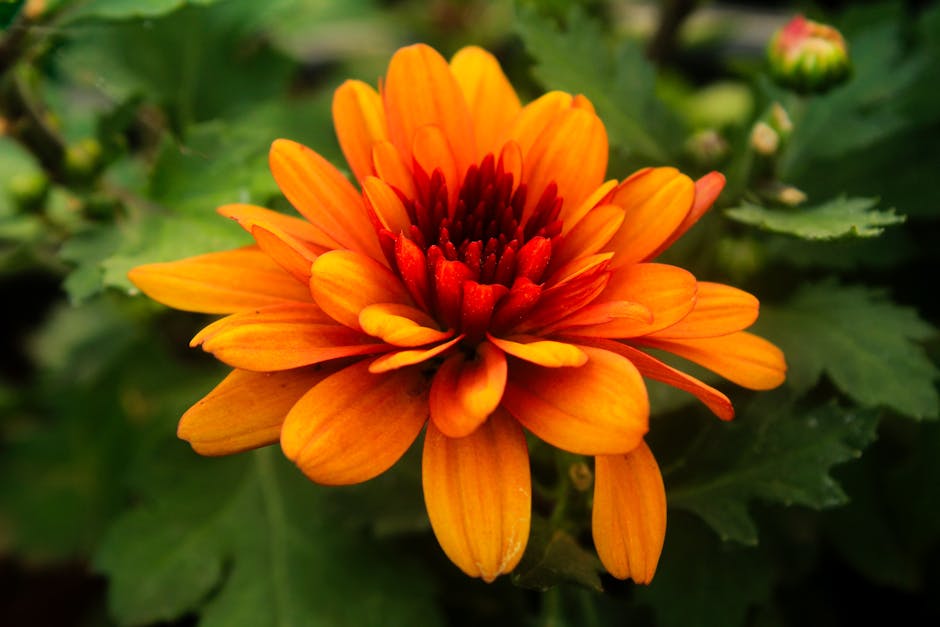
Florist’s Chrysanthemum (Chrysanthemum morifolium)
If there were a “valedictorian” of air-purifying plants, the Florist’s Chrysanthemum would likely take the crown. In the famous NASA studies, this plant outperformed almost every other species when it came to removing a wide spectrum of toxins.
It doesn’t just stop at the “big three” (benzene, formaldehyde, and trichloroethylene); it is also highly effective at removing ammonia and xylene. Ammonia is a common ingredient in window cleaners and floor waxes, while xylene is often found in paints and adhesives.
To keep this plant working at peak efficiency, it needs a spot with plenty of bright, indirect light. Unlike some of our other green friends, the “Mum” prefers slightly cooler temperatures. We recommend keeping the soil consistently moist—never let it dry out completely while it’s in bloom. However, a word of caution: while it is a powerhouse for your air, it is toxic to pets and children if ingested. Keep it high up on a sunny shelf!
Barberton Daisy (Gerbera jamesonii)
Commonly known as the Gerbera Daisy, this plant is a ray of sunshine for any room. It is one of the few bright light air cleaning plants that actually prefers full sun. If you have a south-facing window that gets drenched in light, this is your plant.
Scientific research, including the landmark 1989 study on household plants by NASA, highlighted the Gerbera Daisy for its exceptional ability to remove benzene. Benzene is a known carcinogen often found in inks, oils, plastics, and rubber. This daisy is also a champion at filtering out trichloroethylene, which might come home with you on your dry-cleaned clothes.
Because it loves the sun so much, it’s a perfect fit for kitchen windowsills or sunrooms. Just make sure you water it thoroughly whenever the top inch of soil feels dry. It’s also one of the few high-performing air cleaners that is generally considered non-toxic to cats and dogs!
English Ivy (Hedera helix)
English Ivy is often thought of as an outdoor climber, but it makes a fantastic indoor companion, especially in bright light or under strong fluorescent lights. It is particularly adept at removing formaldehyde—the most common indoor air pollutant found in everything from paper bags to synthetic fabrics.
We love English Ivy for its versatility. It can be trained to climb a small trellis or allowed to cascade from a hanging basket. Research has shown it’s effective against xylene and benzene as well. One unique tip: English Ivy has been noted for its ability to reduce airborne mold particles, making it a great choice for those with health concerns related to toxic air and allergies.
Be careful when handling it, though, as the sap can cause skin irritation for some people. We always recommend wearing gloves during pruning.
Aglaonema (Chinese Evergreen)
The Aglaonema, or Chinese Evergreen, is a fascinating case. While many varieties can tolerate lower light, the more variegated, colorful versions thrive in bright, indirect light. Recent scientific research on Aglaonema phytoremediation has shown just how effective they are.
In controlled chamber studies, certain Aglaonema varieties were able to achieve a 92% benzene reduction within a mere 12-hour window. That is an incredible rate of filtration! They are essentially “fast-acting” air scrubbers. They are also quite hardy, making them a great choice for those of us who might occasionally forget a watering session.
The Science Behind Bright Light Air Cleaning Plants
Why does light matter so much for air purification? It all comes down to how a plant lives and breathes.
Plants “breathe” through tiny pores on their leaves called stomata. During photosynthesis, plants use light energy to convert carbon dioxide and water into food. When a plant is in a bright light environment, its metabolic rate increases. The stomata stay open wider and longer to take in CO2, and in the process, they “inhale” airborne toxins.
Once these toxins (VOCs) enter the leaf, the plant either breaks them down using internal enzymes or moves them down to the root zone. This is where the real magic happens: the rhizosphere. The soil around the roots is teeming with specialized microbes that feast on these chemicals, turning them into nutrients for the plant.
Recent studies have shown that bright light air cleaning plants often have higher “stomatal conductance,” which is just a fancy way of saying they are better at moving air through their systems.
| Pollutant | Source | Best Plant Match |
|---|---|---|
| Formaldehyde | Curtains, plywood, adhesives | English Ivy, Mum |
| Benzene | Detergents, tobacco smoke, paint | Aglaonema, Gerbera Daisy |
| Trichloroethylene | Dry cleaning, varnishes | Gerbera Daisy, Mum |
| Ammonia | Window cleaners, fertilizers | Florist’s Chrysanthemum |
Care and Safety for Your Indoor Garden
To keep your bright light air cleaning plants working as hard as possible, they need to be healthy. A stressed plant won’t purify the air nearly as well as a thriving one.
Proper care starts with the basics:
- Watering: Most sun-loving plants prefer to be watered when the top inch of soil is dry. Overwatering is the number one killer of indoor plants, so always check the soil first!
- Soil Drainage: Ensure your pots have drainage holes. We don’t want our plants sitting in “wet feet,” which leads to root rot.
- Humidity: Many of these plants are tropical in origin. If your home is dry (especially in winter), consider grouping plants together or using a pebble tray to boost local humidity.
For more inspiration on how to integrate these into your lifestyle, check out this great video on growing fresh air which explains the power of botanical life support.
Maintenance for Bright Light Air Cleaning Plants
Maintenance isn’t just about survival; it’s about maximizing the air-cleaning surface area.
- Dusting Leaves: This is crucial! Dust acts like a blanket, blocking light and clogging the stomata. Wipe leaves regularly with a damp cloth to keep the “filters” clean.
- Light Intensity: “Bright light” usually means a spot within a few feet of a window. If you see your plant stretching or losing its color, it needs more sun.
- Fertilization: During the growing season (spring and summer), use a balanced liquid fertilizer at half-strength to keep the plant’s metabolism high.
Pet and Child Safety
We take safety seriously at Mount Pilchuck. While these plants are amazing for air quality, many of them contain calcium oxalate crystals or other toxins that can be harmful if chewed on by curious pets or toddlers.
- Toxic: English Ivy, Florist’s Chrysanthemum, and Peace Lilies.
- Non-Toxic: Barberton (Gerbera) Daisy, Areca Palm, and Boston Fern.
If you have pets, we suggest placing toxic plants in hanging baskets or on high mantels where they are out of reach.
Strategic Placement in Homes and Offices
Where you put your bright light air cleaning plants matters just as much as which ones you buy. To maximize air cleaning, you want to place plants near the sources of pollution and in areas with good light.
Best Placement for Bright Light Air Cleaning Plants
- South-Facing Windows: These provide the most consistent, intense light throughout the day. This is the prime real estate for your Gerbera Daisies and Aglaonemas.
- The Kitchen: Kitchens are often full of ammonia from cleaning supplies and formaldehyde from cabinets. A Florist’s Chrysanthemum on a sunny kitchen counter is a perfect functional decor piece.
- The Living Room: Since this is where we often have the most furniture and carpet (sources of benzene and xylene), aim for a mix of larger plants like palms and smaller tabletop varieties.
- Near Electronics: Printers and some electronic devices can off-gas small amounts of chemicals. Placing an English Ivy nearby can help catch these at the source.
Workplace Productivity
Did you know that bringing plants into the office can actually make you better at your job? It’s true! Studies have shown that productivity among employees in green offices can increase by as much as 15%.
Plants help reduce stress, lower blood pressure, and improve attention spans. In a bright office environment, bright light air cleaning plants work double duty by removing the “stale” air feel caused by VOCs from office equipment and cleaning chemicals, while also providing a much-needed visual break from computer screens.
Frequently Asked Questions about Sun-Loving Purifiers
How many plants are needed per room for clean air?
While any number of plants is better than none, NASA’s original recommendations suggested having at least one plant for every 100 square feet of indoor space. For a standard 12×12 bedroom, two medium-sized plants should make a noticeable difference. In larger open-plan living areas, we recommend creating “clusters” of plants to create a localized zone of purified air.
What are the unique advantages of using plants for air purification?
Unlike mechanical air purifiers, plants are completely silent and require zero electricity. They also act as natural humidifiers, releasing moisture into the air through a process called transpiration. Perhaps most importantly, they provide a psychological boost. Living with nature has been proven to lower cortisol levels and improve overall mood—something a plastic HEPA filter just can’t do!
What are the most common care mistakes to avoid?
The most common mistake is “smothering” the plant with too much water. Most bright light air cleaning plants need their soil to dry out slightly between waterings. Another mistake is ignoring the dust on leaves. If the leaves are dusty, the plant can’t “breathe” in the pollutants. Lastly, don’t move your plants too often. They take time to acclimate to a specific light level, and frequent moving can cause them to drop leaves in stress.
Conclusion
At Mount Pilchuck, we believe that your home should be a sanctuary—a place where you can breathe deeply and feel your best. By incorporating bright light air cleaning plants, you aren’t just decorating; you are investing in a living, breathing life-support system.
Whether it’s the high-efficiency filtration of the Florist’s Chrysanthemum or the sun-loving cheer of the Barberton Daisy, there is a perfect plant for every sunny corner of your home. We invite you to explore our other resources on Indoor Plants and Health Benefits to continue your journey toward a greener, cleaner lifestyle.
If you are looking for more mechanical solutions to complement your indoor jungle, browse our guides on Air Purifiers. Together, we can create indoor environments that truly thrive.
Ready to support the future of green spaces? Consider a Give Give to support sustainability and help keep our communities healthy!
