
Do Outdoor Plants Actually Purify the Air? Here’s What You Need to Know
Air purifier outdoor plants are real, and they work — here’s the short version:
Top air-purifying outdoor plants and what they do:
| Plant | Best For | Key Benefit |
|---|---|---|
| Neem Tree | Large yards | Repels airborne pollutants |
| Ficus (Ficus benjamina) | Garden borders | Filters VOCs and particulates |
| White Poplar | Roadside buffers | Traps particulate matter |
| American Elm | Street planting | Reduces dust and pollution |
| Red Maple | Suburban yards | Absorbs nitrogen oxides |
| Bamboo Palm | Small spaces | Filters benzene and formaldehyde |
| Boston Fern | Patios and porches | Removes VOCs from surrounding air |
| English Ivy | Fences and walls | Traps airborne particles |
Most of us think about air quality as an indoor problem. But the air outside your home shapes what comes in — through open windows, gaps in doors, and particles tracked in on your shoes.
Plants clean the air through a process called phytoremediation — drawing in pollutants through their leaves, roots, and the microorganisms living in their soil, then breaking those toxins down into safer compounds.
One Lancaster University study found something striking: trees planted between a road and a front door can cut indoor particulate matter by as much as 50%. That’s not a small difference — that’s half the dust, soot, and exhaust particles that would otherwise end up in your lungs.
But not all plants are equally effective, and placement matters a lot. The wrong plant in the wrong spot won’t do much for you.
Below, we’ll walk through the science, the best species to choose, where to put them, and how to keep them healthy.

The Science of How Plants Clean Exterior Air
To understand how air purifier outdoor plants function, we have to look at the microscopic level. Plants aren’t just static decorations; they are active biological filters. The primary mechanism they use is phytoremediation, a fancy term for using living plants to clean up soil, air, and water.
Plants “breathe” through tiny pores on their leaves called stomata. During photosynthesis, they take in carbon dioxide, but they also inadvertently “inhale” various Volatile Organic Compounds (VOCs) and gaseous pollutants. Once inside the leaf, these toxins are often moved down to the roots.
This is where the real magic happens: root microbes. The soil surrounding a plant’s roots is teeming with microorganisms that actually digest toxic chemicals, transforming them into food or harmless byproducts. While the NASA Clean Air Study findings are often cited for indoor environments, the same principles apply outdoors. Plants target specific “bad guys” like:
- Benzene: Found in gasoline exhaust and tobacco smoke.
- Formaldehyde: Emitted by paints, lacquers, and some building materials.
- Nitrogen Oxides: Common pollutants from vehicle engines.
Beyond just scrubbing toxins, plants are oxygen factories. As they filter the “junk,” they release clean, breathable oxygen back into your garden. If you want to dive deeper into the specific mechanics of toxin removal, check out our guide on plants that filter toxins from the air.
Top Trees and Air Purifier Outdoor Plants for Your Garden
Selecting the right greenery is about more than just aesthetics. We need to consider hardiness zones (will it survive your winter?) and whether a species is native to your region. Native plants are generally more resilient, require less water, and support local wildlife.
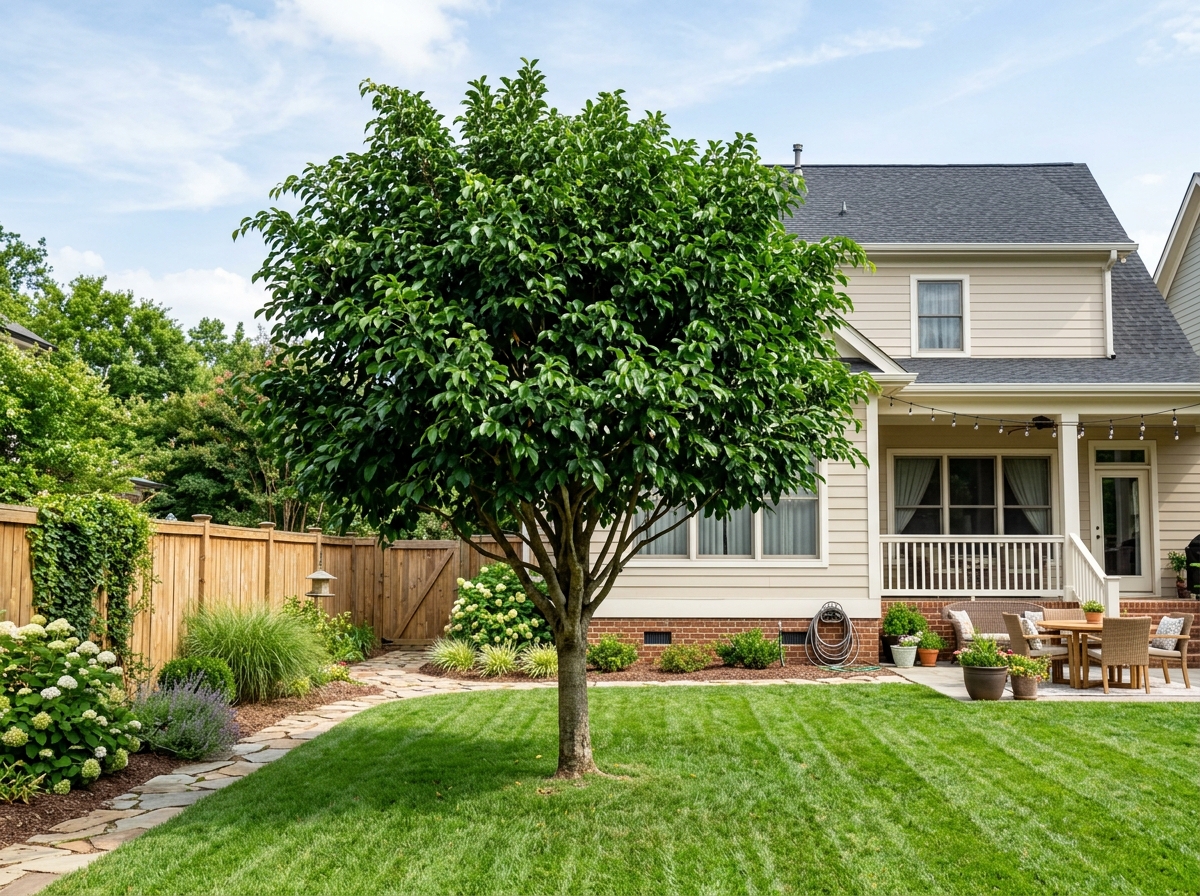
When choosing your botanical air filters, diversity is your best friend. Different plants target different pollutants. To help you narrow down your choices, you can use the NWF Native Plant Finder to see what thrives in your specific zip code.
Best Trees to Use as an Air Purifier Outdoor Plants
Trees are the heavy lifters of the outdoor world. Because of their massive leaf surface area, they can trap significantly more particulate matter (PM) than smaller shrubs.
- Neem Tree (Azadirachta indica): Often called a “natural pharmacy,” the Neem tree is a powerhouse. It doesn’t just filter the air; it acts as a natural pest controller and is known to repel various airborne pollutants.
- Ficus benjamina: Also known as the Weeping Fig, this tree is a champion at filtering formaldehyde and xylene. It prefers a stable environment, so once you plant it, try not to move it!
- White Poplar and American Elm: These are excellent for large “buffer” zones. Their leaves are particularly good at trapping the fine dust and soot found near busy roads.
- Red Maple: A stunning addition to any yard that also happens to be highly effective at absorbing nitrogen oxides.
By planting these, you aren’t just landscaping; you are investing in your family’s respiratory health. Learn more about the health benefits of plant air filters to see how these giants protect you.
Low-Maintenance Air Purifier Outdoor Plants for Small Spaces
You don’t need a five-acre estate to improve your air quality. Many air purifier outdoor plants thrive in containers or small garden beds.
- English Ivy: This woody vine is amazing for vertical spaces. It’s particularly effective at reducing airborne fecal matter particles and heavy metals.
- Bamboo Palm: A great choice for shaded patios. It excels at filtering trichloroethylene and benzene.
- Boston Fern: These love humidity. They are widely considered one of the best plants for removing formaldehyde from the air.
- Lavender and Chrysanthemums: These add a pop of color and a lovely scent while scrubbing the air. Chrysanthemums, specifically, were top performers in NASA’s testing for removing ammonia.
If you’re worried about the cost of starting a garden, we have a list of budget-friendly air purifying plants that won’t break the bank.
Strategic Placement: Creating a Green Buffer for Your Home
Where you plant is just as important as what you plant. To maximize the “air purifier” effect, we recommend creating a “green buffer.”
If you live near a road, the goal is to create a physical barrier. A dense line of trees and shrubs acts as a biological “net,” catching particulate matter before it reaches your front door. Statistic from earlier? A well-placed line of trees can result in a 50% reduction in indoor particulate matter.
These plants also act as windbreaks. By slowing down the wind, they allow heavy particles to settle into the soil rather than being blown into your home’s vents. This strategic layering is a great weekend task—check out our DIY home project ideas for more inspiration on how to layout your green shield.
Beyond the Air: Soil Remediation and Environmental Benefits
The benefits of air purifier outdoor plants actually go beneath the surface. Many of the same plants that clean the air also perform “soil remediation.” If your yard has a history of industrial use or you’re worried about heavy metals, certain plants can help.
- Sunflowers: Famous for their ability to pull lead and even radioactive isotopes from the soil.
- Mustard Greens: Effective at drawing out heavy metals like cadmium.
- Vetiver Grass: Known for its deep root system that can stabilize soil and filter out chemical runoff.
If you are planning to grow a vegetable garden, we highly recommend getting a professional test first. You can find local university soil test labs that offer affordable testing.
Pro-tip: If you use plants specifically for soil remediation (to pull out toxins), do not compost them! Once they’ve absorbed heavy metals, they should be disposed of in the trash so those toxins don’t just go right back into your garden’s nutrient cycle.
Essential Care for Air Purifier Outdoor Plants
A dead plant doesn’t purify much of anything! To keep your green filters working at peak efficiency, they need a little TLC.
- Watering: Consistency is key. Most air-purifying plants prefer moist but well-drained soil. Overwatering can lead to root rot, which stops the phytoremediation process in its tracks.
- Leaf Cleaning: This is a step many people skip. Dust and soot can clog the stomata (the pores) of your plants. Occasionally spraying down the leaves with a garden hose helps them “breathe” better.
- Organic Compost: Feed your plants naturally. Healthy soil leads to healthy root microbes, which are the real “engine” of air purification.
- Pruning: Regularly remove dead or yellowing leaves to encourage new, vigorous growth.
Maintaining a garden doesn’t have to be a full-time job. We’ve curated a list of easy-care plants for air quality that are perfect for beginners.
Frequently Asked Questions about Outdoor Air Purification
Can outdoor plants really reduce indoor pollution?
Yes! While they don’t replace an indoor HEPA filter, they act as the first line of defense. By creating a buffer zone outside, you significantly reduce the volume of particulate matter and VOCs that enter your home through windows and doors. Research shows a strategic “green wall” can cut indoor dust and soot by up to 50%.
Which air purifier outdoor plants are safest for pets?
Pet safety is a huge concern for us. While English Ivy and some Ficus species can be toxic if ingested, there are plenty of safe options. The Bamboo Palm and Boston Fern are both ASPCA-approved and non-toxic for cats and dogs. Always check the ASPCA database before introducing a new species to a yard where pets roam.
How many plants do I need for effective purification?
While NASA’s indoor recommendation is roughly one plant per 100 square feet, outdoor requirements depend on your environment. If you live near a high-traffic road, you’ll want a higher density of trees and shrubs to create a solid “curtain.” For a standard suburban yard, a diverse mix of 5-10 trees and a variety of shrubs is a great starting point.
Conclusion
At Mount Pilchuck, we believe that your home’s environment starts at the property line. Incorporating air purifier outdoor plants into your landscaping isn’t just about curb appeal—it’s about creating a sustainable, healthy ecosystem for you and your family.
By choosing the right species, placing them strategically to block road pollutants, and keeping them healthy with organic care, you can breathe easier knowing your garden is working for you. Ready to bring that fresh air inside? Explore our guide to indoor plants for better air and complete your home’s natural filtration system!
