
Why Knowing Your Air Purifier Plants Name Can Transform Your Indoor Air
Air purifier plants name is something every urban dweller should know — because the air inside your home may be far more polluted than the air outside.
Here are the top air purifier plants names at a glance:
| Common Name | Scientific Name | Key Pollutants Removed |
|---|---|---|
| Snake Plant | Sansevieria trifasciata | Formaldehyde, benzene, xylene |
| Spider Plant | Chlorophytum comosum | Carbon monoxide, formaldehyde |
| Peace Lily | Spathiphyllum | Ammonia, benzene, trichloroethylene |
| Golden Pothos | Epipremnum aureum | Formaldehyde, benzene |
| Boston Fern | Nephrolepis exaltata | Xylene, toluene, formaldehyde |
| Rubber Plant | Ficus elastica | Formaldehyde |
| Areca Palm | Dypsis lutescens | Toluene, xylene |
| English Ivy | Hedera helix | Benzene, trichloroethylene, mold |
| Dracaena | Dracaena fragrans | Benzene, trichloroethylene |
| Bamboo Palm | Chamaedorea seifrizii | Formaldehyde, benzene |
Indoor air can be up to five times more polluted than outdoor air. Synthetic furniture, cleaning products, and building materials constantly release invisible toxic gases called volatile organic compounds (VOCs) — things like formaldehyde, benzene, and trichloroethylene.
This is what researchers call Sick Building Syndrome — and millions of people experience its symptoms (headaches, fatigue, eye irritation) without ever knowing why.
The good news? NASA’s landmark 1989 Clean Air Study proved that common houseplants can actively pull these toxins out of the air through their leaves and roots. Some plants remove up to 95% of harmful chemicals within a single day.
You don’t need an expensive mechanical system to start breathing cleaner air. You might just need the right plant on your windowsill.
The Science Behind Every Air Purifier Plants Name
To truly appreciate how a simple air purifier plants name like “Spider Plant” translates into a high-tech air scrubber, we have to look at the biology. Plants don’t just “sit there” looking pretty; they are active biological filters.
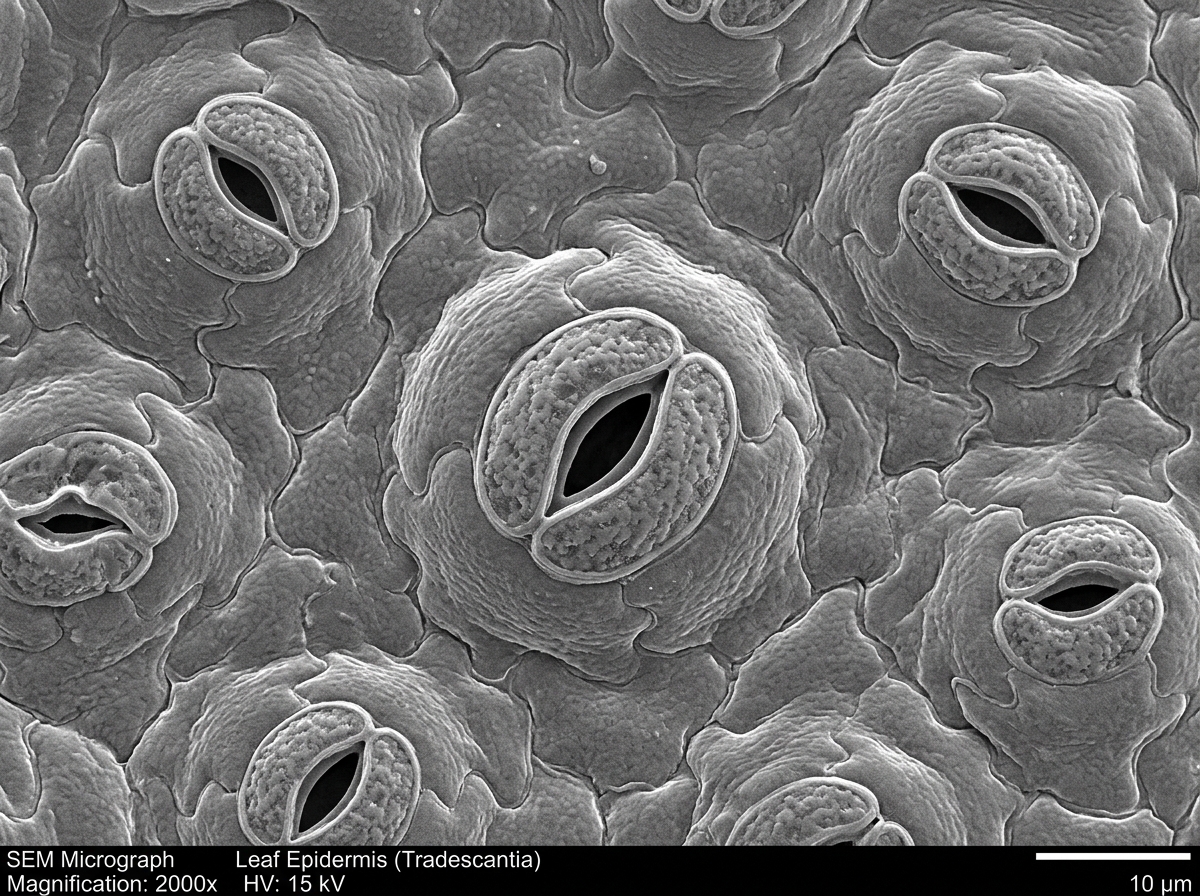
The primary process at work is called phytoremediation. This is a fancy term for using living plants to clean up soil, air, or water. In our homes, this happens through several channels:
- Stomatal Uptake: Plants have tiny pores on their leaves called stomata. While they breathe in carbon dioxide for photosynthesis, they also inadvertently pull in VOCs. Once inside the leaf tissue, these toxins are broken down or moved to the roots.
- Root Microorganisms: This is where the real magic happens. Research shows that the microorganisms living in the soil around a plant’s roots (the rhizosphere) are incredibly effective at “eating” toxins. These microbes break down complex chemicals like benzene into food for the plant.
- Transpiration: As plants release moisture into the air, they create a tiny “pulling” effect that brings air down into the soil, where those hungry microbes can get to work.
NASA’s 1989 Breakthrough
Between 1980 and 1984, plants exposed to Volatile Organic Compounds (VOC’s) in the air, could in fact remove them. NASA’s Dr. Bill Wolverton discovered that in sealed environments, plants could remove up to 87% of indoor air toxins within 24 hours.
The “Big Four” toxins targeted in these studies are:
- Formaldehyde: Found in particleboard, glues, and pressed-wood products like MDF.
- Benzene: Common in paints, furniture wax, and detergents.
- Trichloroethylene (TCE): Found in stain removers and adhesives.
- Xylene: Used as a solvent in printing, rubber, and leather industries.
Top 10 NASA-Recommended Air Purifier Plants Name for Beginners
If you are new to being a “plant parent,” don’t worry. Many of the most effective plants that filter toxins from the air are also the hardest to kill. Choosing a low-maintenance air purifier plants name ensures your air stays clean without adding stress to your weekend.
1. Snake Plant (Sansevieria trifasciata)
Also known as “Mother-in-law’s tongue,” this plant is a powerhouse. It is unique because it converts CO2 into oxygen at night, making it one of the best indoor plants for bedrooms. It is famous for its low light tolerance and ability to thrive on neglect. You can find it on almost every scientific list of air-filtering plants.
2. Spider Plant (Chlorophytum comosum)
The Spider Plant is a champion of efficiency. Studies show it can eliminate up to 95% of harmful chemicals, including carbon monoxide and formaldehyde, within a day. It is one of the top houseplants for allergies because it helps clear the air of common irritants. Plus, it produces “pups” that you can easily propagate for every room in the house.
3. Peace Lily (Spathiphyllum)
The Peace Lily is as functional as it is beautiful. It excels at filtering ammonia, benzene, and trichloroethylene. It also helps reduce mold spores in the air by absorbing them through its leaves. Be aware that it likes consistently moist soil and will “droop” dramatically to let you know when it’s thirsty.
4. Golden Pothos (Epipremnum aureum)
Arguably the easiest houseplant to grow, the Pothos is a resilient vine that specializes in removing formaldehyde. It’s perfect for low-light rooms like windowless offices or bathrooms. Its heart-shaped leaves are excellent at catching dust and toxins alike.
5. Boston Fern (Nephrolepis exaltata)
If you struggle with dry air, the Boston Fern is your best friend. It acts as a natural humidifier while filtering out xylene and toluene. It is often cited as one of the best leafy plants for air purification. Keep it in a humid spot, like a bathroom, or mist it regularly to keep it happy.
6. Rubber Plant (Ficus elastica)
With its thick, waxy leaves, the Rubber Plant has a large surface area designed for maximum toxin absorption. It is especially effective at reducing dust and cleaning formaldehyde from the air. We recommend wiping its leaves with a damp cloth once a month to keep the “pores” open for business.
7. Areca Palm (Dypsis lutescens)
The Areca Palm is a heavy hitter for improving breathing. It releases a significant amount of moisture into the air — up to a quart of water every 24 hours! This makes it excellent for people with sinus issues. It’s also very effective at filtering toluene and xylene.
8. English Ivy (Hedera helix)
English Ivy is a “mold-buster.” Research has shown that it can significantly reduce the amount of airborne mold and even fecal matter particles in a room. It’s a great choice for bathrooms or basements. Just be sure to keep it in a pot, as it can be invasive if planted outdoors.
9. Dracaena (Dracaena fragrans)
There are many varieties of Dracaena, but the ‘Janet Craig’ is particularly famous for benzene removal. This chemical is common in glues, paints, and detergents. Dracaenas are slow-growing and very sturdy, making them perfect for new plant parents.
10. Bamboo Palm (Chamaedorea seifrizii)
The Bamboo Palm is a fantastic formaldehyde filter. Unlike many other air-purifying plants, it is a pet-safe choice that won’t harm your cats or dogs if they decide to take a nibble. It prefers bright, indirect light and likes its soil to stay slightly moist.
How to Choose an Air Purifier Plants Name for Your Specific Room
Selecting the right air purifier plants name depends heavily on where you plan to put it. You wouldn’t put a sun-loving succulent in a dark hallway, just as you wouldn’t put a humidity-loving fern in a dry, drafty entryway.
Best Plants for Bedrooms and Sleep Quality
For the bedroom, your goal is improving sleep quality. Most plants release CO2 at night, but the Snake Plant and Bromeliads are exceptions — they release oxygen while you sleep.
- Snake Plant: Perfect for low light; produces oxygen at night.
- Gerbera Daisy: While trickier to care for, they can reduce formaldehyde by 50% and benzene by 67% in just 24 hours.
- Aloe Vera: Great for a sunny bedroom windowsill; it cleans the air and provides a soothing gel for burns.
High-Performance Plants Beyond the NASA List
While the 1989 NASA study is the gold standard, recent studies on pharmaceutical VOC removal have identified new champions.
- Cordyline fruticosa: Showed a massive 87.5% VOC removal efficiency in lab settings.
- Syngonium podophyllum (Arrowhead Plant): Achieved 81.69% VOC removal and was nearly 100% effective at removing particulate matter (PM2.5/PM10).
- Zamioculcas zamiifolia (ZZ Plant): Though not in the original study, it is now recognized as a top-tier air cleaner for office spaces.
Maximizing the Effectiveness of Your Indoor Greenery
Simply buying a plant isn’t enough; you need to turn your houseplants into air purifiers through active care.
- Keep Leaves Clean: Dust acts as a barrier. If your plant’s leaves are dusty, they can’t “breathe” in the toxins. Wipe them down with a damp cloth or give them a gentle “shower” in the sink once a month.
- Soil Health Matters: The microbes in the soil do a lot of the heavy lifting. Use high-quality potting soil and avoid using harsh chemical pesticides that might kill these beneficial bacteria.
- Density is Key: While one plant is better than none, NASA recommends one plant per 100 square feet for noticeable air purification. For a standard 1,000-square-foot home, that means 10 to 15 healthy plants.
- Improve Circulation: Plants work best when air is moving. Use a small fan to ensure that the air in the room actually passes by the plant’s leaves and reaches the soil. This is a great DIY home project idea for plant enthusiasts.
Frequently Asked Questions about Air Purifying Plants
How many plants are needed per square foot?
To noticeably improve indoor air quality, we recommend following the NASA guideline of one plant per 100 square feet. If you live in a small apartment, grouping 3-5 plants in a “green corner” can create a localized zone of fresh air that is much more effective than spreading them out.
Do air-purifying plants work better than mechanical filters?
It’s not a competition! In fact, a combined approach is best. HEPA filters are superior at catching dust, pollen, and pet dander (particulates). However, plants are often better at absorbing gaseous chemicals (VOCs) that pass right through standard filters. Plus, plants are energy-efficient, silent, and much prettier to look at.
What are the most common mistakes for beginners?
- Overwatering: This is the #1 plant killer. It leads to root rot, which stops the plant from cleaning your air. Always check if the top inch of soil is dry before watering.
- Light Mismatch: Placing a high-light plant (like a Croton) in a dark corner will lead to a slow death. Match your air purifier plants name to the light levels of your room.
- Ignoring the Pot: Ensure your pots have drainage holes. Standing water is the enemy of the root microorganisms that help clean your air.
Conclusion
At Mount Pilchuck, we believe that your home should be a sanctuary. By choosing the right air purifier plants name and giving it a little bit of love, you can significantly reduce the toxins in your environment and improve your indoor air circulation.
Whether you start with a single, unkillable Snake Plant or build a lush indoor jungle, every leaf added to your home is a step toward better health. You don’t need to be an expert to breathe better — you just need to bring a little bit of nature back indoors.
Breathe better with our complete guide to indoor plants and start your journey to a cleaner, greener home today.
