
Why Indoor Plants for Office Space Are Worth Your Attention
Indoor plants for office space can do more than make a desk look nice — they filter toxins from the air, reduce stress, and help people focus better throughout the workday.
Here are the best low-maintenance plants for most office environments:
- Snake Plant — tolerates low light, rarely needs watering
- ZZ Plant — nearly indestructible, thrives under fluorescent lights
- Pothos — fast-growing, great for shelves and trailing displays
- Peace Lily — air-purifying, grows well in shaded corners
- Money Tree — low-maintenance, pet-friendly, bright indirect light
- Philodendron — adaptable, tolerates neglect, suits small desks
Most office plants do best with watering every 1–2 weeks, stable room temperatures of 65–75°F (18–24°C), and placement within a few feet of a light source — natural or artificial.
If your office feels stuffy, stale, or just a little lifeless, you’re not imagining it. Poor air circulation and artificial lighting in enclosed workspaces are real problems — and they affect how you feel and how well you work.
The good news? A few well-chosen plants can make a measurable difference. Research from Cardiff University found that employees in workspaces enriched with greenery were 15% more productive than those in plant-free environments. That’s not a small number.
Plants work quietly in the background — absorbing carbon dioxide, releasing oxygen, and pulling common indoor pollutants like formaldehyde and benzene out of the air. They also add humidity to dry, air-conditioned spaces and give the eyes and mind a natural place to rest during long work sessions.
This guide covers everything you need to know: which plants work best in office conditions, how to care for them without adding to your workload, and how to choose the right fit for your specific space.

The Science-Backed Benefits of Indoor Plants for Office Space
At Mount Pilchuck, we often talk about how indoor environments impact our health. When we bring indoor plants for office space into our professional lives, we aren’t just decorating; we are engaging in “biophilia.” This is the innate human tendency to seek connections with nature and other forms of life. In a concrete jungle of cubicles and computers, that connection is often severed, leading to what some call “sick building syndrome.”
Air Purification and the NASA Connection
One of the most cited reasons for adding greenery is air quality. The famous NASA Clean Air Study revealed that certain houseplants are remarkably efficient at scrubbing the air of Volatile Organic Compounds (VOCs). In an office, these toxins often come from unexpected places: printers, new carpets, cleaning agents, and even the particleboard in your desk.
Plants like the Snake Plant and Dracaena are powerhouses at filtering formaldehyde and benzene. For a deeper dive into which species are the heavy lifters, check out our guide on Plants That Filter Toxins From the Air. By absorbing these pollutants through their leaves and roots, plants act as natural, silent air purifiers.
Stress Reduction and Mental Clarity
Beyond the physical air, there is the “mental air” to consider. High-pressure environments can lead to burnout and fatigue. However, simply having a view of greenery can lower cortisol levels and reduce blood pressure. We’ve explored the Mental Wellness Benefits of Indoor Plants extensively, noting that plants can create a calming atmosphere that fosters creativity.
When you aren’t staring at a sterile white wall, your cognitive function actually improves. This isn’t just a feeling; it’s a measurable boost in concentration. For more on how to optimize your workspace, see our Indoor Air Quality and Productivity Tips.
Humidity and Physical Comfort
Office air conditioning is notorious for being incredibly dry, which can lead to itchy eyes, dry skin, and respiratory discomfort. Plants release moisture through a process called transpiration. By grouping a few plants together, you can create a localized “microclimate” that naturally regulates humidity. This subtle change can make a world of difference for your comfort during an eight-hour shift. If you’re looking for more ways to support your well-being, our article on Indoor Plants for Mental Wellness offers additional insights.
Top Low-Maintenance Indoor Plants for Office Space
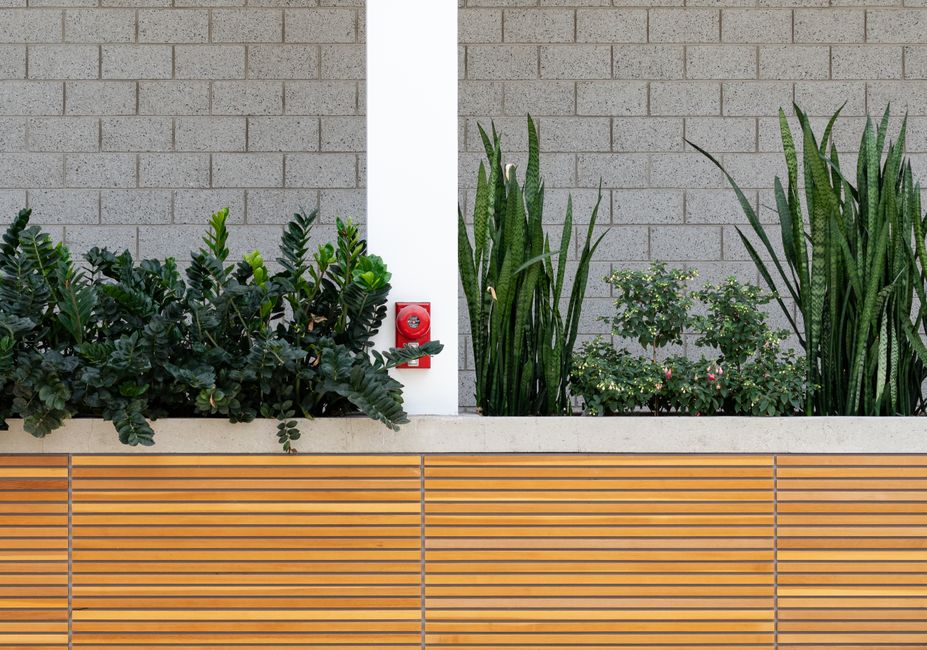
Let’s be honest: you’re at work to work, not to spend three hours a day playing gardener. The best indoor plants for office space are those that can handle a little neglect, especially over long weekends or busy deadlines.
The Heavy Hitters
- Snake Plant (Dracaena trifasciata): Often called the “Mother-in-Law’s Tongue” because of its sharp, sword-like leaves, this plant is the gold standard for offices. It’s incredibly resilient and can survive for weeks without water. It’s also unique because it converts CO2 into oxygen at night, making it a great companion if you’re pulling late hours.
- ZZ Plant (Zamioculcas zamiifolia): If you have a “black thumb,” this is the plant for you. It has waxy, deep green leaves that look almost artificial because they are so perfect. It stores water in potato-like rhizomes under the soil, meaning it actually prefers if you forget to water it occasionally.
- Pothos (Epipremnum aureum): Known as “Devil’s Ivy” because it’s nearly impossible to kill, the Pothos is a trailing vine. It looks fantastic on top of filing cabinets or bookshelves. You can even learn more about its cousin, the Philodendron epipremnum | money plant Houseplants/RHS , which offers similar ease of care.
- Raven ZZ: A trendy variety of the ZZ plant, the Raven features foliage that starts lime green and turns a dramatic, smoky purple-black as it matures. It’s a sophisticated choice for a modern executive suite.
If you’re working in a smaller space, you might want to see our specific tips on The Best Cubicle Plants to Turn Your Desk Into a Jungle.
Quick Comparison Table
| Plant Variety | Light Level | Watering Frequency | Best Placement |
|---|---|---|---|
| Snake Plant | Low to Bright | Every 3–4 weeks | Floor corners, entryways |
| ZZ Plant | Low to Medium | Every 3–4 weeks | Desks, windowless rooms |
| Pothos | Low to Bright Indirect | Every 1–2 weeks | High shelves, dividers |
| Money Tree | Bright Indirect | Every 1–2 weeks | Near windows, reception |
| Peace Lily | Low to Medium | Every week | Shaded corners |
Best Low-Light Indoor Plants for Office Space
Many offices suffer from a lack of natural light. Whether you’re in a basement or a windowless interior room, you don’t have to settle for plastic plants. Some species have evolved to grow on the forest floor under dense canopies, making them perfectly suited for fluorescent lighting.
The Cast Iron Plant (Aspidistra elatior) earned its name for a reason — it’s tough as nails. It handles low light, poor air quality, and temperature swings without dropping a leaf. For those tucked away in darker corners, we recommend checking out The Best Plants for Basement Low Light That Won’t Ghost You and our list of Indoor Plants for Low Light Rooms.
Air-Purifying Indoor Plants for Office Space
If your primary goal is health, focus on the “filterers.” The Peace Lily is famous for its ability to signal when it’s thirsty (it wilts dramatically, then perks right back up after a drink), but its real talent is removing mold spores and VOCs from the air.
The Money Tree (Pachira aquatica) is another favorite. In Feng Shui, it’s believed to bring good luck and prosperity — something every business could use! Beyond the symbolism, it’s an excellent air cleaner with a unique braided trunk. For more budget-friendly or allergy-safe options, see our guides on:
- Low Maintenance Air Purifying Plants
- Budget-Friendly Air Purifying Plants
- Top Houseplants for Allergies
How to Choose and Maintain Your Office Greenery
Choosing the right indoor plants for office space requires a quick assessment of your environment. We suggest looking at three main factors:
- Lighting: Does the spot get direct sun (rare in offices), bright indirect light (near a window), or purely artificial light? Be honest about the light levels to avoid a “slow fade” for your plant.
- Layout: Do you need a “statement” plant like a tall Dracaena for the lobby, or a compact succulent for a desk? Trailing plants like Pothos are great for softening the hard lines of office furniture.
- Maintenance Capacity: Who is going to water it? If there’s no designated “plant person,” stick to the Snake and ZZ plants that only need monthly attention.
For a comprehensive look at setting up your green space, read our dedicated article on Indoor Plants for Office Spaces.
Essential Maintenance Tips
- Check the Soil: Before you pour water, stick your finger two inches into the soil. If it’s dry, water it. If it’s damp, walk away. Overwatering is the #1 killer of office plants.
- Dust the Leaves: Office environments can be dusty. A layer of dust on leaves blocks sunlight and prevents the plant from “breathing” (photosynthesizing) efficiently. Wipe them down with a damp cloth once a month.
- Pruning: Don’t be afraid to snip off yellow or brown leaves. This directs the plant’s energy toward healthy new growth.
- Temperature: Avoid placing plants directly under AC vents or next to heaters. Most plants prefer the same temperatures humans do — between 65°F and 75°F.
For more simple care routines, our guide on Easy Care Plants for Home Air Quality offers tips that translate perfectly to the office.
Frequently Asked Questions about Office Greenery
Do office plants truly improve air quality?
Yes, but with a caveat. While the NASA research is solid, you would need a very high density of plants to replicate those laboratory results in a massive, open-plan office. However, even a few plants contribute to VOC removal and CO2 conversion. More importantly, the psychological benefit of seeing nature improves “perceived” air quality, making the space feel fresher and more breathable.
How often should I water my desk plants?
Most indoor plants for office space are drought-tolerant. A good rule of thumb is once every 1–2 weeks for most, and once every 3–4 weeks for desert-dwellers like the Snake Plant. Always ensure your pot has drainage holes; sitting in water leads to root rot, which is much harder to fix than a little dryness. If you’re worried about the weekend, don’t be! Most office plants handle two days of “neglect” just fine.
When should an office hire professional plant services?
If you are managing a large corporate headquarters or a multi-floor facility, DIY plant care might become a burden. Professional services handle everything: installation, bi-weekly watering, cleaning, and even “replacement guarantees” where they swap out a struggling plant for a fresh one. This ensures a high long-term ROI by keeping the office looking premium without distracting your team from their actual jobs.
Conclusion
Incorporating indoor plants for office space is more than a design trend; it’s a strategic investment in your team’s health and productivity. At Mount Pilchuck, we believe that every workspace deserves a breath of fresh air. Whether you start with a single ZZ plant on your desk or a full living wall in the reception area, the benefits of greenery will ripple through your workplace culture.
Ready to transform your office into a thriving, high-performance jungle? Explore our full guide to indoor plants for more expert advice on bringing the best of nature indoors.
