
Why Knowing How to Care for Poinsettias Inside Makes All the Difference
Knowing how to care for poinsettias inside can mean the difference between a plant that thrives well into February — and one that drops its leaves before New Year’s.
Quick answer: How to care for poinsettias inside
- Place in bright, indirect light for at least 6 hours a day
- Keep temperatures between 65-70°F during the day, away from drafts and heat vents
- Water only when the top inch of soil feels dry — then water thoroughly and drain fully
- Remove decorative foil wrappers to prevent root rot
- Do not fertilize during the holiday bloom period
- Mist daily to maintain humidity around the plant
Poinsettias (Euphorbia pulcherrima) are native to Mexico, where they grow as woody shrubs in warm, sunny conditions. Those brilliant red “petals” you love? They’re not actually flowers. They’re bracts — modified leaves that change color when daylight shortens in fall. The true flowers are the tiny yellow button-like structures at the center, called cyathia.
Every year, millions of poinsettias are sold as holiday decorations — and most are tossed out by January. But with the right care, a single plant can stay colorful for 6 to 8 weeks and even be coaxed into reblooming next Christmas.
This guide covers everything: from keeping your poinsettia healthy through the holidays, to pruning, reblooming, and troubleshooting common problems.
Selecting and Bringing Your Poinsettia Home
The journey to a healthy holiday display begins before you even leave the store. We’ve found that many people struggle with care for poinsettias inside simply because they started with a plant that was already stressed. To ensure you’re bringing home a winner, look for a plant with dense, lush foliage that reaches all the way down to the soil line.
One of our favorite pro tips is to look at the “true” flowers — those little yellow buds in the center. If they are tightly closed and green or yellow, the plant will last much longer. If they are shedding pollen or look shriveled, the plant is already past its peak.
Poinsettias are incredibly sensitive to the cold. Even a few minutes in a freezing parking lot can cause them to drop their leaves once they get inside. When purchasing, always ask for a paper sleeve or a bag to protect the plant during the trip home. If the temperature is below 50°F, treat your poinsettia like a pint of gourmet ice cream: make it your last stop and head straight home. Once you arrive, unwrap the plant immediately. Leaving it in a tight sleeve for too long can cause the stems to droop or twist.
If you are looking for other ways to brighten your home on a budget, check out our guide on budget-friendly-air-purifying-plants.
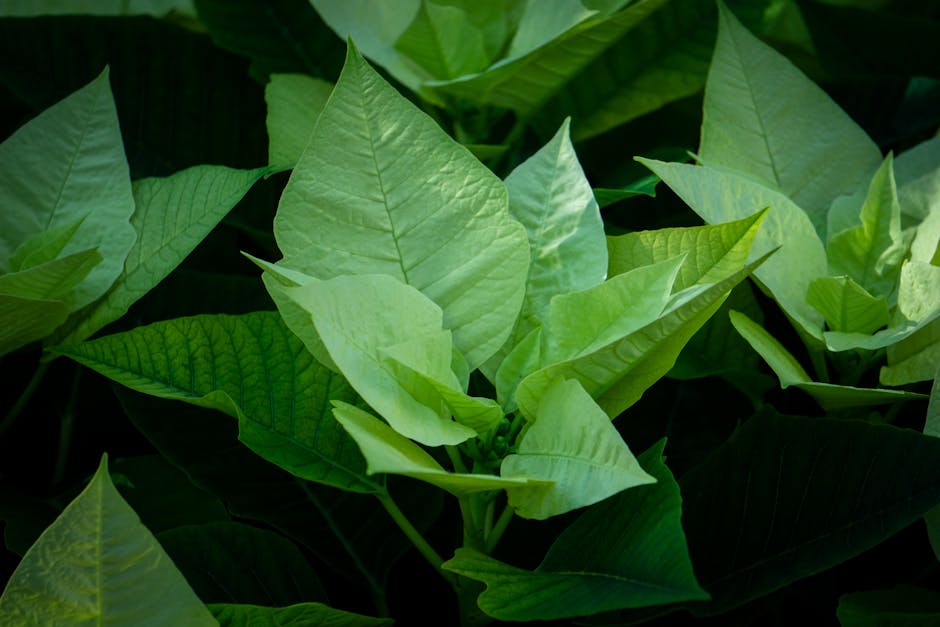
Essential Care for Poinsettias Inside During the Holidays
Once your plant is settled, the most important factor for success is finding the right “sweet spot” in your home. Poinsettias crave bright, indirect sunlight. A south, east, or west-facing window is ideal, as long as the plant isn’t touching the cold glass. We recommend providing at least six hours of light daily to keep those colorful bracts vibrant.
Temperature consistency is the secret sauce to longevity. Poinsettias prefer a daytime temperature of 65-70°F and slightly cooler nights (around 60-65°F). They are the “Goldilocks” of the plant world — they don’t like it too hot, and they certainly don’t like it too cold.
| Feature | Ideal Condition | Harmful Source to Avoid |
|---|---|---|
| Temperature | 65-70°F (Day), 60-65°F (Night) | Radiators, Fireplaces, Space Heaters |
| Light | Bright, Indirect (6+ hours) | Direct midday sun (scorches leaves) |
| Airflow | Gentle, consistent circulation | Drafty doors, AC vents, open windows |
If you have a room that doesn’t get much sun, you might want to consider indoor-plants-for-low-light-rooms instead, as poinsettias will quickly fade without adequate light.
Watering and Humidity for Poinsettias Inside
Watering is where most indoor gardeners go wrong. To properly care for poinsettias inside, you must master the “finger test.” Stick your finger about an inch into the soil; if it feels dry to the touch, it’s time to water. Another trick is to lift the pot — if it feels surprisingly lightweight, the plant is thirsty.
When you water, use tepid water and drench the soil thoroughly until water runs out of the drainage holes. However, never let the plant sit in standing water. Most holiday poinsettias come wrapped in decorative foil. While pretty, these foil wraps act like a bucket, trapping water and causing root rot. We suggest either punching holes in the bottom of the foil or removing it entirely during watering.
Because our homes get very dry during the winter due to heating, poinsettias appreciate a little extra humidity. You can mist the plant daily or place it on a tray filled with pebbles and water (just make sure the pot sits on the pebbles, not in the water). For more tips on improving your home’s atmosphere, see our article on top-air-refreshing-plants-to-turn-your-home-into-a-literal-oxygen-bar.
Troubleshooting Common Issues with Poinsettias Inside
Even with the best intentions, you might run into a few hiccups. Here is how to handle the most common “poinsettia panics”:
- Leaf Drop: If your plant suddenly sheds green leaves, it’s likely reacting to a cold draft or a sudden change in temperature. Check for nearby doors or vents.
- Yellowing Foliage: This is usually a sign of overwatering. Let the soil dry out more between waterings and ensure the pot is draining properly.
- Wilting: This usually means the plant is bone-dry. Give it a good soak, and it should perk up within a few hours.
- Pests: Whiteflies are the most common uninvited guests. These tiny white insects hang out on the undersides of leaves. You can manage them with yellow sticky traps or insecticidal soap. Mealybugs, which look like tiny bits of cotton, can also appear.
It is also important to note the milky white sap that poinsettias produce. While the plant isn’t the deadly poison many people think it is, the sap can cause skin irritation or a rash in sensitive individuals. Scientific research on Euphorbia sap and skin irritation confirms that it contains latex-like compounds. We recommend wearing gloves when pruning.
If you’re interested in plants that help clean up your indoor environment, you might enjoy reading about plants-that-filter-toxins-from-the-air.
Post-Holiday Maintenance and Pruning
By the time March rolls around, your poinsettia might be looking a bit “leggy” or tired. Don’t throw it away! This is the perfect time to transition it into a long-term houseplant.
In late March or early April, prune the stems back to about 4 to 6 inches in height. This might feel drastic, but it encourages the plant to grow back bushier and stronger. During this time, the plant may go into a brief period of dormancy, so you can reduce watering slightly.
Once you see new green growth appearing, it’s time to start a regular feeding schedule. Use a standard water-soluble houseplant fertilizer every 3 to 4 weeks. If the plant has outgrown its original pot, repot it into a slightly larger container using a well-draining, slightly acidic potting mix.
For those who prefer a more “set it and forget it” approach to greenery, we have a great list of low-maintenance-air-purifying-plants.
The Secret to Making Your Poinsettia Rebloom
Getting a poinsettia to turn red again is the “holy grail” of indoor gardening. It’s not necessarily difficult, but it does require discipline. Poinsettias are “short-day” plants, meaning they need long periods of uninterrupted darkness to trigger the color change in their bracts.
Starting around the fall equinox (late September), your plant needs 14 to 16 hours of complete darkness every single night. We’re talking “can’t see your hand in front of your face” dark. Even a streetlamp outside or a hallway light can disrupt the process.
The Reblooming Schedule:
- 8:00 AM – 5:00 PM: Place the plant in bright, indirect sunlight.
- 5:00 PM – 8:00 AM: Move the plant into a dark closet or cover it with a large, light-proof cardboard box.
- Repeat daily for about 8 to 10 weeks.
This process inhibits chlorophyll production and allows the colorful pigments to take over. By early December, you should see the bracts beginning to change color. For more technical details on this process, you can consult Scientific research on poinsettia reblooming and photoperiodism.
Maintaining a healthy indoor environment makes this process much easier. Learn more about easy-care-plants-for-home-air-quality to keep your home fresh while you wait for those blooms.
Frequently Asked Questions about Poinsettia Care
Are poinsettias poisonous to cats and dogs?
This is one of the most persistent myths in the gardening world. According to the ASPCA, poinsettias are mildly toxic but rarely fatal. If a pet eats the leaves, they might experience mild gastrointestinal upset, drooling, or vomiting. The milky sap is the main culprit, as it can irritate the mouth and stomach. While you should certainly keep them out of reach of curious nibblers, there is no need to panic if a leaf goes missing.
Why is my poinsettia losing its leaves?
Leaf drop is usually a stress response. The most common causes are:
- Cold drafts: From being near a door or a window.
- Dry air: Low humidity from indoor heating.
- Overwatering: The roots are “suffocating” in waterlogged soil.
- Heat vents: Blowing hot, dry air directly onto the foliage.
How long do poinsettias live indoors?
With proper care for poinsettias inside, these plants aren’t just for Christmas. They are perennial shrubs that can live for 5 years or more. In their native Mexico, they can reach heights of 10 to 15 feet! Indoors, they will stay much smaller, but they can be a beautiful green houseplant throughout the summer months.
Conclusion
At Mount Pilchuck, we believe that bringing nature indoors is one of the best ways to improve your home’s air circulation and your overall well-being. Learning to care for poinsettias inside allows you to participate in a rewarding cycle of growth that lasts far beyond the holiday season. By following these steps — from proper watering to the “darkness treatment” in the fall — you can turn a seasonal decoration into a thriving, health-boosting member of your plant family.
If you’re ready to expand your indoor jungle, check out our recommendations for the top-air-purifying-plants-for-bedrooms or explore our full guide to indoor plant varieties to find your next favorite green companion!
