
Understanding Ozone Risks and the Need for Clean Air
When we talk about ozone, we often think of the “ozone layer” high in the atmosphere that protects us from UV rays. That’s the good kind. However, ground-level ozone—the kind that can be generated inside your home by certain air cleaners—is a different story entirely. According to the National Collaborating Centre for Environmental Health, ozone is a potent respiratory irritant. Even at low levels, it can cause chest pain, coughing, shortness of breath, and throat irritation. It essentially acts as a chemical oxidant that can scar lung tissue over prolonged exposure, making it particularly dangerous for children whose lungs are still developing.
For those of us living with asthma or sensitive lungs, ozone is a major trigger. It doesn’t just “clean” the air; it reacts with other common household chemicals (like those found in carpets or cleaning products) to create secondary pollutants like formaldehyde and ultrafine particles. This chemical cascade is often more harmful than the original pollutants the device was intended to remove. This is why the U.S. EPA warns that air cleaners that deliberately produce ozone should not be used in occupied spaces.
At Mount Pilchuck, we believe your home should be a sanctuary. Creating health-boosting environments means removing threats, not adding them. While California law (AB 2276) mandates that electronic air purifiers must not exceed a 0.050 ppm (50 ppb) emission limit, many experts argue that the only truly safe level of indoor ozone is zero. This is why air purifiers without ozone—specifically those using mechanical filtration—are the gold standard for safety. By relying on physics rather than chemistry, these devices ensure that the air you breathe is purified without being altered by reactive gases.
How to Identify Truly Ozone-Free Air Purifiers
Identifying a safe device shouldn’t require a chemistry degree, but marketing terms can be slippery. To ensure you are getting a device that is 100% ozone-free, you need to look for specific certifications and technology types. Many manufacturers use terms like “activated oxygen” or “mountain fresh scent” to mask the fact that their machines produce ozone. These are marketing euphemisms for a gas that is actually a pollutant.
The CARB “Mechanical” Distinction
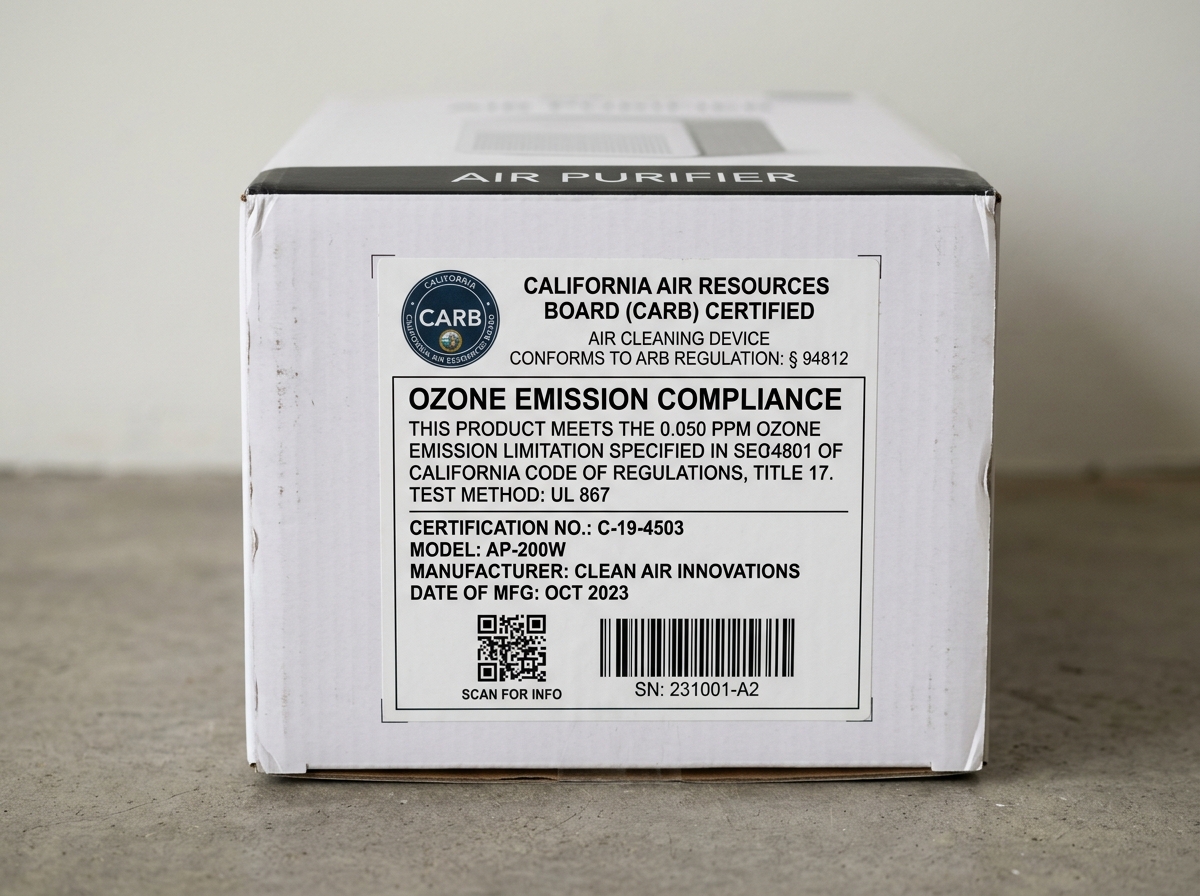
The California Air Resources Board (CARB) maintains a massive database of over 12,000 certified devices. When searching this list, look at the “Type” column. This is the most reliable way to verify the internal technology of a unit.
- Mechanical: These units use physical filters (like HEPA) to trap particles. They do not have ionizers or electronic components that charge the air via corona discharge. They produce zero ozone because there is no electrical arc to split oxygen molecules.
- Electronic: These units may include ionizers, UV lights, or PCO technology. While they are tested to stay below the 50 ppb limit, they can and often do produce trace amounts of ozone as a byproduct of their operation. For example, the AirDog X5 is CARB-certified but has been tested to produce around 28 ppb of ozone—well within the legal limit, but definitely not zero.
Look for AHAM Verifide
Beyond ozone safety, you want to know if the machine actually works. The Association of Home Appliance Manufacturers (AHAM) provides independent testing for Clean Air Delivery Rate (CADR). A high CADR rating in an ozone-free mechanical unit ensures that you are getting both safety and performance. If you are a fan of taking matters into your own hands, you can also explore DIY air solutions, such as Corsi-Rosenthal boxes, which use high-quality MERV filters and box fans to create powerful, ozone-free filtration at a fraction of the cost of commercial units.
Top-Rated Mechanical Models for Every Room Size
To help you choose, we’ve analyzed the best-performing air purifiers without ozone based on independent testing and CADR ratings. We prioritize “PM1 zero time”—the speed at which a purifier can completely clear the smallest, most dangerous particles from a room. These particles are so small they can enter the bloodstream directly, making rapid filtration essential.
| Feature | Smart Air Blast Mini | IQAir HealthPro Plus | Levoit Vital 200S |
|---|---|---|---|
| Filter Type | H13 HEPA | HyperHEPA | H13 True HEPA |
| CADR (Smoke) | 450 CFM | 300 CFM | 260 CFM |
| Max Room Size | 703 sq. ft. | 1,125 sq. ft. | 550 sq. ft. |
| Ozone Output | 0 ppb (Zero) | 0 ppb (Zero) | 0 ppb (Zero) |
| Best For | Large Open Spaces | VOCs & Medical Grade | Bedrooms & Pets |
Best Air Purifiers Without Ozone for Large Rooms: Smart Air Blast Mini
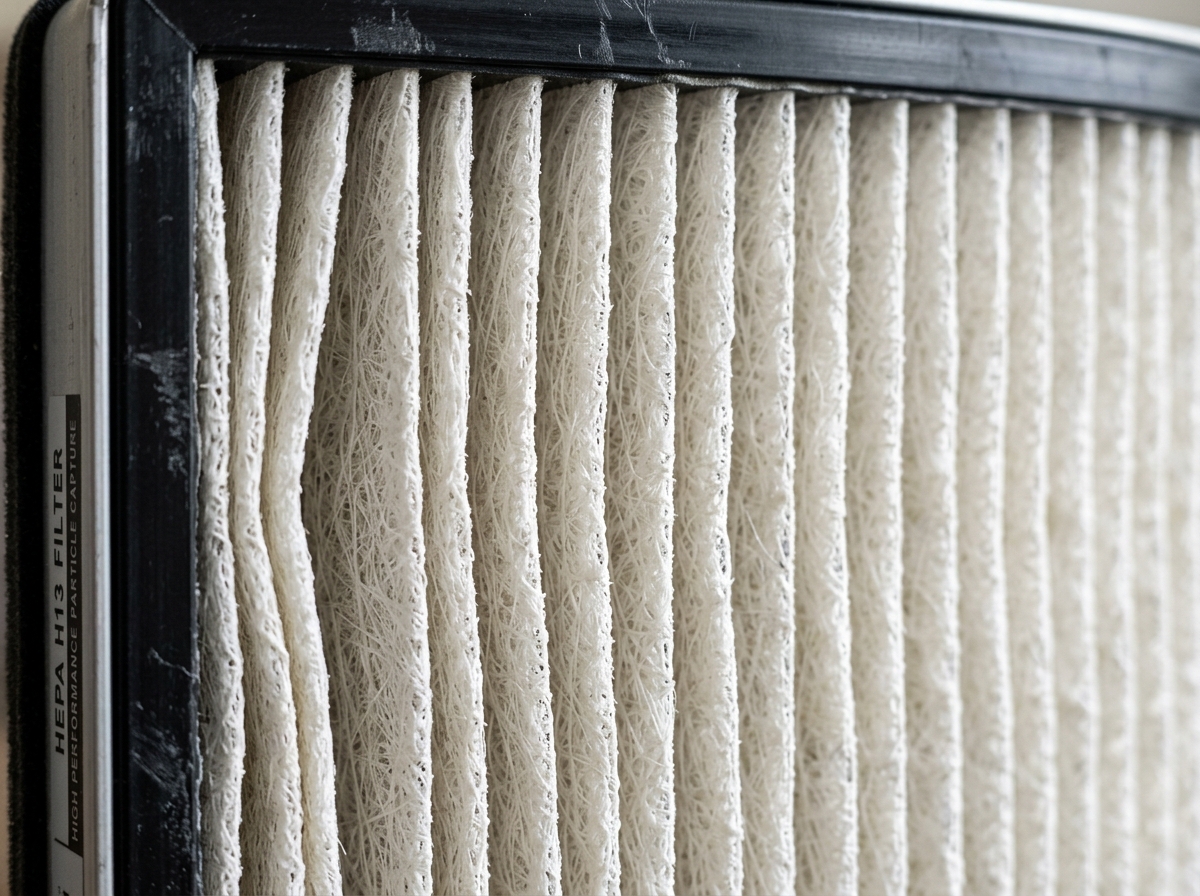
If you have a large living room or an open-concept office, the Smart Air Blast Mini is a powerhouse. It features a no-nonsense, heavy-duty metal construction. Unlike many “smart” purifiers that prioritize apps over airflow, the Blast Mini focuses on a massive H13 HEPA filter and a powerful fan.
- Performance: It delivers a CADR of 450 CFM, capable of clearing PM1 particles in just 15 minutes in a 700+ sq. ft. space.
- Why we love it: It’s strictly mechanical. No ionizers, no UV lights, and no hidden ozone-producing “features.” It’s just a giant filter and a very quiet, efficient fan.
Best Air Purifiers Without Ozone for VOCs and Odors: IQAir HealthPro Plus
For those dealing with chemical sensitivities, heavy smoke, or strong odors, the IQAir HealthPro Plus is the industry leader. This Swiss-engineered marvel doesn’t just stop at dust; it tackles gases.
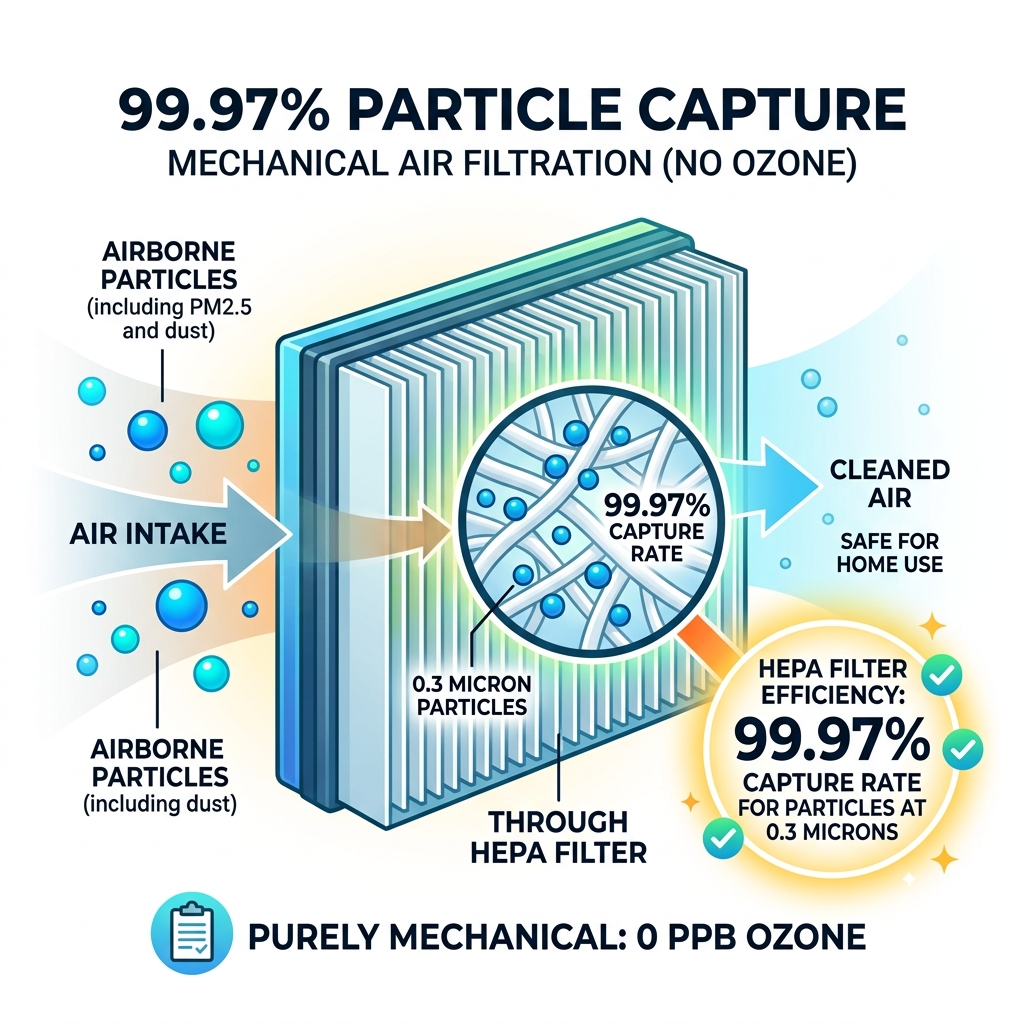
- HyperHEPA Technology: While standard HEPA filters capture 99.97% of particles down to 0.3 microns, IQAir’s HyperHEPA is tested to capture particles down to 0.003 microns.
- V50-Cell: This model includes 5 lbs of activated carbon and alumina, specifically designed to neutralize Volatile Organic Compounds (VOCs) and odors.
Best for Bedrooms and Pet Owners: Levoit Vital 200S
For smaller spaces or bedrooms, the Levoit Vital 200S offers a balanced approach. It is fully mechanical and CARB-certified as ozone-free. Its U-shaped air inlet is specifically designed to capture pet hair and large dander without clogging the main HEPA filter too quickly. It provides a high air exchange rate (ACH) for rooms up to 550 square feet, ensuring that allergens are removed before they can settle on bedding or furniture.
Long-Term Costs and Performance of Non-Toxic Filtration
When you choose air purifiers without ozone, you are opting for mechanical filtration. While these units are safer, they do require periodic filter replacements to maintain their 99.97% efficiency.
- Filter Longevity: High-end models like the IQAir HealthPro Plus have filters that can last up to 4 years, whereas budget models like the Levoit Vital 200S usually require a change every 6 to 12 months.
- Energy Consumption: Most modern mechanical purifiers are very efficient. For instance, the Levoit Vital 200S has an estimated annual running cost of approximately $96.82, including both electricity and filter replacements.
- Washable Pre-Filters: To save money, look for units with washable pre-filters. These trap large “cloggers” like pet hair and dust bunnies, extending the life of the expensive HEPA filter inside.
We have more detailed guides on air purifiers to help you calculate the exact ROI for your specific home layout.
Frequently Asked Questions
Do HEPA air purifiers always produce ozone?
No! Pure mechanical HEPA filters are just physical barriers—think of them like a very fine mesh or a high-tech coffee filter. They trap particles as air passes through them. Ozone is only produced if the device includes an electronic component like an ionizer, plasma generator, or certain types of UV-C lights. If a device is labeled “Mechanical” and has no optional “Ion” button, it is 100% safe for daily use.
How do I verify if a specific model is safe?
The best way is to check the CARB certified list. With over 12,000 entries, you can search by brand or model number. If the “Type” says “Mechanical,” you are in the clear. If it says “Electronic,” it meets the 50 ppb safety standard but may still produce trace ozone. You can also subscribe to CARB updates to stay informed about new regulations and safety alerts.
Can ozone-free purifiers remove smoke and allergens?
Absolutely. In fact, they often do it better than electronic ones. A high-quality H13 HEPA filter is incredibly effective at capturing pet dander, pollen, and the solid particles in smoke. For the smell of smoke and other odors, ensure your ozone-free purifier has a thick layer of activated carbon. Pelleted carbon (like that found in the IQAir or Austin Air models) is much more effective than the thin carbon-coated sponges found in cheaper units.
Conclusion
At Mount Pilchuck, we believe that technology should work in harmony with nature. While air purifiers without ozone are essential for modern indoor living, they are only one part of the puzzle. We also advocate for natural air circulation through the use of health-boosting indoor plants. Plants like the Snake Plant or Peace Lily can complement your mechanical filtration by naturally absorbing certain toxins and releasing fresh oxygen. This biophilic approach creates a multi-layered defense system for your home.
By combining the power of a certified mechanical air purifier with the natural benefits of greenery, you can create a truly sustainable, toxin-free environment for your family. Mechanical filters handle the heavy lifting of particulate matter, while plants help regulate humidity and provide psychological benefits. Ready to upgrade your home’s air quality? SHOP OUR TOP RECOMMENDED AIR PURIFIERS and start breathing easier today! Your journey to a cleaner, healthier home starts with choosing the right tools that protect your lungs without compromise.
