
Your Indoor Air Is More Polluted Than You Think
Air filtration plants are houseplants that naturally remove harmful toxins, VOCs, and pollutants from indoor air. Here are the most effective options:
| Plant | Key Pollutants Removed | Light Needs |
|---|---|---|
| Spider Plant | Formaldehyde, xylene | Low to bright indirect |
| Snake Plant | Formaldehyde, benzene | Low to indirect |
| Peace Lily | Benzene, trichloroethylene | Low to medium |
| Pothos | Formaldehyde, benzene | Low to indirect |
| Bamboo Palm | Formaldehyde, benzene | Bright indirect |
| Boston Fern | Xylene, toluene | Indirect |
| Rubber Plant | Formaldehyde | Indirect |
| English Ivy | Benzene, formaldehyde | Medium to bright |
| Dracaena | Trichloroethylene, benzene | Low to indirect |
| Areca Palm | VOCs generally | Bright indirect |
We spend roughly 90% of our time indoors. That sounds comfortable — until you learn that indoor air can be up to 5 times more polluted than the air outside.
Think about that for a moment.
Your home, your office, your bedroom — the spaces where you sleep, work, and breathe most deeply — may be quietly filled with invisible chemicals. These come from furniture, flooring, paint, cleaning products, and electronics. They off-gas slowly and build up over time.
The result? Headaches, fatigue, allergies, and what scientists call Sick Building Syndrome — a cluster of health symptoms tied directly to the air inside a building.
The good news: nature already has a solution.
Certain plants don’t just sit there looking pretty. They actively pull toxins out of the air, process them through their roots and leaves, and release cleaner air back into your space. No filters. No electricity. No ongoing costs.
This guide lists the best air filtration plants you can grow at home — and explains exactly how to use them effectively.
The Science Behind the Natural Air Filtration Plant
When we talk about an air filtration plant, we aren’t just using a fancy marketing term. There is deep, biological science behind how these green guardians work. The process of using plants to clean up soil, water, or air is known as phytoremediation. In our homes, this primarily happens through the leaves and the root system.
The benefits of these plants are more than just folk wisdom. In a landmark 1989 study, NASA scientist Bill Wolverton highlighted that household plants could be a cost-effective solution to indoor air pollution. This study underscores the practical importance of incorporating plants into your living or working environment to combat Volatile Organic Compounds (VOCs).
But how do they stack up against the machines we buy at the store? While mechanical filters are excellent at catching large dust particles, plants offer a biological advantage by “digesting” chemicals.
Comparison: Plant Filtration vs. Mechanical HEPA Filters
| Feature | Air Filtration Plant | Mechanical HEPA Filter |
|---|---|---|
| Pollutant Target | VOCs, CO2, Odors, Radon | Dust, Pollen, Smoke, Pet Dander |
| Energy Usage | Zero (only sunlight) | Constant electricity needed |
| Maintenance | Watering and occasional dusting | Filter replacements every 3–6 months |
| Side Benefits | Humidity control, mood boost | Noise, air movement |
| Longevity | Can live for decades | Machine parts wear out |
Beyond just cleaning the air, there are significant health benefits of plant air filters that machines simply cannot replicate, such as the natural regulation of indoor humidity.
How an Air Filtration Plant Absorbs Toxins
Every air filtration plant operates like a tiny, solar-powered vacuum. The process begins at the stomata—tiny pores on the surface of the leaves. During photosynthesis, the plant opens these pores to take in carbon dioxide. Along with the CO2, it pulls in airborne toxins like formaldehyde (found in carpets) and benzene (found in plastics).
Once inside, the toxins move through the plant to the root zone. This is where the real magic happens. Root microbes—tiny organisms living in the soil—break down these complex chemicals into nutrients that the plant can actually eat. This process of bio-regeneration means the “filter” never gets full; it simply grows stronger the more it cleans.
Through transpiration, plants also release moisture into the air. This natural humidity helps pull even more pollutants out of the air and keeps our respiratory tracts moist, making us less susceptible to irritation. If you want to dive deeper into which species are best at this, check out our guide on plants that filter toxins from the air.
Impact on Mental Wellness and Productivity
We often focus on the physical side of an air filtration plant, but the mental “scrubbing” is just as vital. Introducing these plants to office settings can foster a healthier atmosphere, potentially enhancing focus and productivity among employees. Research has shown that better quality air can increase worker productivity by up to 10%.
When we breathe cleaner air, our brains function better. There is less “brain fog” caused by high CO2 levels or chemical off-gassing. Furthermore, the mere presence of greenery has a calming effect on the nervous system. We’ve explored this link extensively in our article on indoor plants for mental wellness.
Top 10 Plants to Grow Your Own Fresh Air
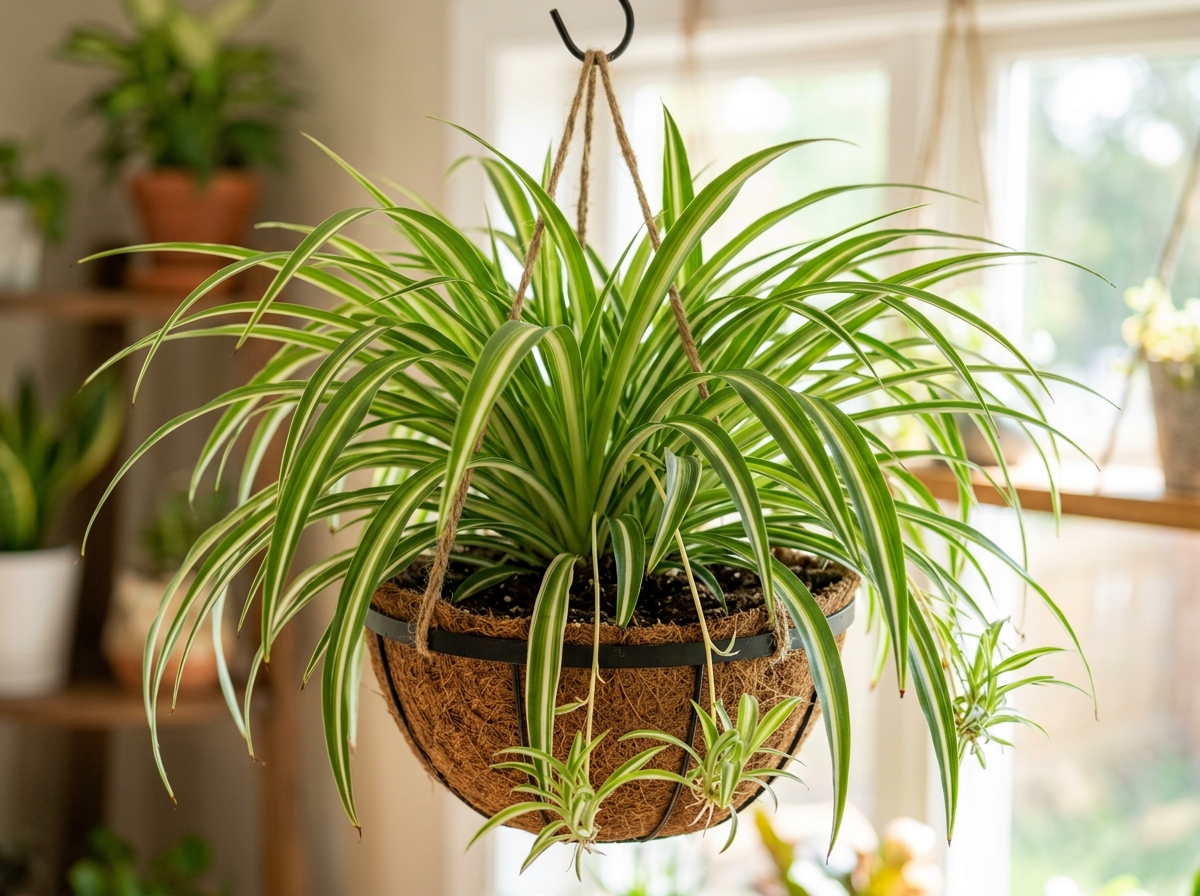
If you are ready to start your own indoor “power plant,” you don’t need a degree in botany. For a complete list of air-filtering plants, you can browse the official NASA findings, but we have narrowed it down to the top performers for the average home.
- Spider Plant (Chlorophytum comosum): This is the ultimate beginner’s air filtration plant. It is incredibly resilient and is a champion at removing formaldehyde. One plant in a 200-square-foot room is often enough to act as an effective filter.
- Snake Plant (Sansevieria): Also known as “Mother-in-Law’s Tongue,” this plant is unique because it converts CO2 into oxygen at night, making it one of the top air purifying plants for bedrooms.
- Peace Lily (Spathiphyllum): A beautiful flowering option that tackles benzene and trichloroethylene. Just be careful, as these are toxic to pets.
- Rubber Plant (Ficus elastica): With its thick, leathery leaves, it is one of the best leafy plants for air purification, specializing in removing toxins from furniture finishes.
- English Ivy: Great for mold-prone areas like bathrooms.
- Boston Fern: A natural humidifier that excels at removing xylene.
- Pothos: Virtually unkillable and great for high shelves.
- Bamboo Palm: A powerhouse for larger rooms.
- Dracaena: Effective against gases released by paints and solvents.
- Aloe Vera: Not only does it heal burns, but it also monitors air quality—developing brown spots when toxin levels are high.
Choosing the Right Air Filtration Plant for Your Space
Not every air filtration plant belongs in every room. To get the best results, you need to match the plant to the environment.
- Room Size: A small 4-inch pot won’t clean a 500-square-foot living room. For larger spaces, look for “heavy lifters” like the Areca Palm or large Rubber Trees. For cozy corners, see our tips on indoor plants for small apartments.
- Pet Safety: This is crucial. Many effective air purifiers, like the Peace Lily or English Ivy, can be harmful if nibbled. Always consult our list of indoor plants safe for pets before buying.
- Light Conditions: Don’t put a sun-loving palm in a windowless bathroom. It won’t just stop cleaning the air; it will likely die and contribute to indoor mold.
Best Low-Light Options for Natural Purification
If your apartment feels a bit like a cave, don’t worry. You can still maintain a healthy air filtration plant collection.
The Snake Plant and Pothos are the kings of low light. They can survive in corners where most other plants would wither. Another great choice is the Chinese Evergreen, which thrives in low-light conditions and is very effective at filtering out a variety of pollutants.
For those on a budget, these plants are also some of the most budget friendly air purifying plants because they are easy to propagate from cuttings, meaning you can grow a whole forest from a single parent plant. If you have specific rooms that lack windows, we have a dedicated guide for indoor plants for low light rooms.
Maximizing the Efficiency of Your Green Filters
Simply placing a plant in a room is a great start, but if you want it to function as a true air filtration plant, you need to optimize its “engine.”
Air quality isn’t just about toxins; it’s also about moisture. We recommend keeping indoor humidity levels between 35-55% RH. Plants naturally help with this, but they do it better when they are healthy and well-placed. Grouping plants together creates a “microclimate” that increases transpiration and improves indoor air circulation.
By following natural ways to boost indoor air quality, such as combining plants with proper ventilation, you can significantly reduce the concentration of airborne irritants. This is especially helpful for people with respiratory issues; there are specific indoor plants that improve breathing by increasing oxygen levels and reducing dryness.
Essential Care for Your Air Filtration Plant
A dead plant doesn’t filter much air. In fact, rotting soil can actually add to indoor pollution. To keep your air filtration plant working at peak capacity:
- Watering: Overwatering is the #1 plant killer. Most air-purifying plants prefer to dry out slightly between waterings. Use the “finger test”—if the top inch of soil is dry, it’s time for a drink.
- Soil: Use high-quality, well-draining potting mix. The air needs to reach the roots for the microbes to do their job.
- Fertilizer: Feed your plants during the growing season (spring and summer) to keep their foliage lush. More leaves mean more air being scrubbed.
If you’re worried about your “black thumb,” start with low maintenance air purifying plants or our curated list of easy care plants for home air quality.
Managing Dust and Allergens Naturally
One often-overlooked benefit of an air filtration plant is its ability to act as a dust magnet. The broad, waxy leaves of plants like the Rubber Tree or Peace Lily have a slight static charge that attracts floating dust particles.
However, once the dust settles on the leaf, it can block the stomata and prevent the plant from “breathing” in toxins. We recommend wiping the leaves with a damp cloth every few weeks. This not only keeps the plant healthy but physically removes those allergens from your environment.
For those prone to sneezing, some indoor plants that reduce dust are better than others. Be sure to choose top houseplants for allergies that don’t produce heavy pollen, as you don’t want to trade one air issue for another!
Advanced Phyto-Purification and Enhanced Systems
While a standard potted plant is great, science has taken the air filtration plant concept to the next level with “active” phyto-purification systems. These systems use fans to force air through the root zone of the plant, where the most concentrated cleaning happens.
Research into these systems shows that they can be incredibly efficient. For example, some phytofilters can result in an 80% reduction in ventilation needs and can save a third on heating energy usage because you don’t have to bring in as much cold outside air to keep the indoor air fresh.
In these advanced systems, one plant can service up to 550 square feet of habitable space. This is a massive leap from the standard “one plant per room” rule. If you want to see a fascinating example of this in action, watch this great video about a gentleman who used specific plants to grow his own fresh air in a polluted city. These setups are becoming increasingly popular as indoor plants for office spaces where air quality directly impacts the bottom line.
Frequently Asked Questions about Indoor Air Quality
How many plants do I need per room?
For a standard air filtration plant setup, the general rule of thumb is one medium-sized plant for every 100 to 200 square feet of space. If you are using a high-efficiency plant like the Spider Plant, you can lean toward the 200-square-foot mark. Even if you have a tiny home, small potted plants for apartments can make a noticeable difference if placed in high-traffic areas.
Can plants remove viruses and bacteria?
While plants are famous for removing chemicals (VOCs), they also play a role in biological cleaning. The root microbes in an air filtration plant ecosystem are capable of digesting certain biological contaminants. Additionally, by maintaining optimal humidity levels, plants make it harder for viruses like the flu to stay airborne and spread. This physical health boost is often accompanied by the mental wellness benefits of indoor plants, creating a holistic shield for your home.
Are air purifying plants better than mechanical purifiers?
It isn’t necessarily a competition. Mechanical purifiers with HEPA filters are superior at removing particulate matter like smoke and fine dust quickly. However, plants are better at removing gases and VOCs that mechanical filters often miss.
A combined approach is usually best. Use a mechanical filter for dust and allergens, and use your air filtration plant collection to handle chemical toxins and humidity. Plus, plants are far more attractive than a plastic box! They are also fantastic indoor plants that reduce dust by trapping it on their foliage, something a machine can only do if the dust is sucked into the intake.
Conclusion
At Mount Pilchuck, we believe that your home should be a sanctuary. In an era where we are surrounded by synthetic materials and sealed-tight buildings, the humble air filtration plant is a bridge back to a healthier way of living.
By choosing the right species, caring for them properly, and understanding the science of how they “scrub” the air, you can transform your indoor environment into a high-performance wellness space. Whether you start with a single Snake Plant in your bedroom or a lush vertical garden in your office, every leaf is a step toward better health.
Ready to turn your home into a fresh-air oasis? Explore our indoor plant guides for more expert advice on picking the perfect greenery for your lifestyle.
