
Why the Healthiest Small Indoor Plants Belong in Every Tiny Space
The healthiest small indoor plants you can grow in a compact home include:
| Plant | Key Health Benefit | Pet-Safe? |
|---|---|---|
| Snake Plant | Nighttime oxygen, removes formaldehyde | No |
| Spider Plant | Removes 95% of formaldehyde, CO | Yes |
| Peace Lily | Reduces mold spores, removes VOCs | No |
| Aloe Vera | Medicinal gel, air monitoring | No |
| Peperomia | Compact, low-toxin environment | Yes |
| Neanthe Bella Palm | Tropical air humidifier | Yes |
| Lavender | Reduces anxiety, improves sleep | No |
| Rosemary | Boosts focus and memory | No |
| Jade Plant | Low maintenance, grounding | No |
| Pilea Peperomioides | Easy care, unique foliage | Yes |
Most of us spend the majority of our time indoors. And the air inside your home or apartment? It can actually be more polluted than outside air — loaded with invisible toxins like formaldehyde, benzene, and carbon monoxide from furniture, paint, and cleaning products.
The good news is simple: a few small plants can make a real difference.
NASA’s Clean Air Study showed that common houseplants actively remove these toxins from indoor air. And a 2015 study found that even the simple act of potting a plant lowers your physiological stress. There’s a reason over 9 million posts are tagged #HousePlants on social media — people are noticing the difference.
You don’t need a big home or a green thumb. You just need the right plants.
This list covers the 10 best options — all small enough for a desk, shelf, or windowsill — ranked by health impact, ease of care, and real-world suitability for tight spaces.
The Science Behind the Healthiest Small Indoor Plants
When we talk about the healthiest small indoor plants, we aren’t just talking about aesthetics. We are talking about biological machines designed to scrub our environment. The most famous evidence for this comes from the NASA Clean Air Study, which sought ways to clean the air in space stations. NASA researchers discovered that many common houseplants are incredibly efficient at removing Volatile Organic Compounds (VOCs).
VOCs like formaldehyde (found in carpets and grocery bags), benzene (found in plastics and synthetic fibers), and trichloroethylene (found in inks and adhesives) are common in modern homes. High concentrations can lead to “Sick Building Syndrome,” causing headaches and respiratory issues. Plants absorb these toxins through their leaves and roots, effectively neutralizing them.
Beyond chemistry, there is the psychological impact. The 2015 study on potting plants and stress published in the Journal of Physiological Anthropology found that interacting with indoor plants can reduce both physiological and psychological stress. This is rooted in the concept of biophilia—our innate, biological need to connect with nature.
By introducing Top Air Refreshing Plants to Turn Your Home into a Literal Oxygen Bar, you aren’t just decorating; you are investing in a “whole-person” health strategy that touches your body, emotions, and spirit.
Top 10 Healthiest Small Indoor Plants for Compact Living
Living in a studio or a micro-apartment doesn’t mean you have to skip the greenery. In fact, in tight quarters, the air-purifying benefits of plants are even more concentrated. Based on urban horticulture fieldwork across hundreds of micro-dwellings, we’ve found that the best small plants are those that offer high survival rates and maximum toxin filtration.
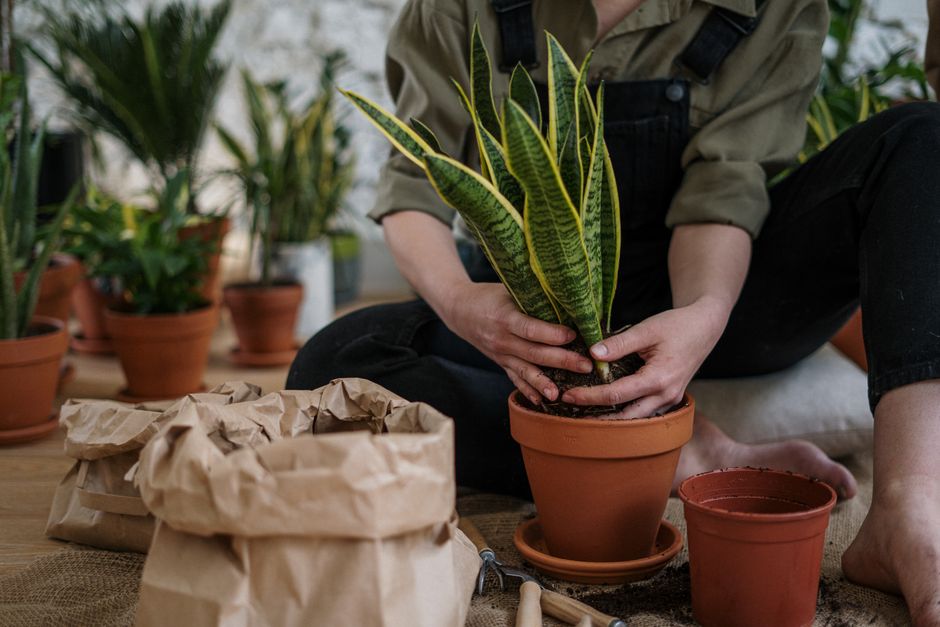
Whether you have a tiny bookshelf or a sunny windowsill, these Plants that Filter Toxins from the Air are the perfect roommates.
Snake Plant: One of the Healthiest Small Indoor Plants for Bedrooms
Commonly known as “Mother-in-Law’s Tongue,” the Snake Plant (Sansevieria) is a powerhouse. Most plants take in CO2 and release oxygen during the day, but the Snake Plant is one of the few that continues to produce oxygen at night. This makes it one of the Top Air Purifying Plants for Bedrooms, helping you breathe easier while you sleep.
It is also incredibly resilient. In indoor gardening, it’s often called “unkillable.” It handles low light with ease and only needs water when the soil is 100% dry. For those living in dry climates like Arizona, this drought-tolerance is a major plus.
Spider Plant: The Healthiest Small Indoor Plants for Air Filtration
The Spider Plant (Chlorophytum comosum) is a classic for a reason. NASA research showed that these plants could remove 95% of toxic formaldehyde from a sealed container in just 24 hours. They are also effective at absorbing carbon monoxide and xylene.
If you are looking for Indoor Plants for Small Apartments, the Spider Plant is ideal because it loves to hang. You can place it on a high shelf where its “pups” (baby plants) can dangle down, saving precious counter space. Best of all? They are completely non-toxic to cats and dogs.
Peace Lily
The Peace Lily (Spathiphyllum) is as functional as it is beautiful. It is one of the few plants that can actually help reduce mold spores in the air by absorbing them through its leaves. It also excels at removing acetone and alcohols from indoor air.
Because it prefers higher humidity, it is a great fit for a bathroom. It is also a very “communicative” plant—it will droop dramatically when it’s thirsty, which many owners find helpful for staying on top of a care routine. However, keep it away from pets, as it can be toxic if ingested. You can find more about these in our guide on the Best Leafy Plants for Air Purification.
Aloe Vera
Aloe Vera is a must-have for any “healthy” home. Not only does it monitor air quality (developing brown spots when toxin levels become high), but its leaves contain a medicinal gel used for thousands of years to treat burns and skin irritations.
As a succulent, it thrives on neglect and bright light. It is one of the most Budget Friendly Air Purifying Plants because it is easy to find and even easier to keep alive. Just be sure to use a well-draining cactus soil mix to prevent “wet feet.”
Peperomia
Often called the “Radiator Plant,” Peperomias are the unsung heroes of Small Potted Plants for Apartments. They have a very compact footprint, rarely growing larger than 12 inches, yet they have thick, succulent-like leaves that are great at maintaining a low-toxin environment.
Peperomias are pet-safe and come in dozens of varieties, from the “Watermelon” Peperomia to the “Marble” variety. They don’t need much light, making them perfect for those darker corners of a studio.
Neanthe Bella Palm
If you want a tropical vibe without the massive size of a traditional palm, the Neanthe Bella (Chamaedorea elegans) is your answer. Also known as the Parlor Palm, this slow-growing beauty stays small enough for a tabletop.
It acts as a natural humidifier, releasing moisture into the air, which is a lifesaver in dry climates or during winter when the heater is running. It’s also one of the best Indoor Plants for Low Light Rooms and is completely non-toxic to pets.
Lavender
Lavender is the gold standard for Indoor Plants for Mental Wellness. Its scent is scientifically proven to reduce cortisol levels (the stress hormone) and improve sleep quality.
While it can be a bit finicky indoors, it thrives if given 6-8 hours of direct sunlight. Placing a small pot of Lavender on a sunny bedroom windowsill can create a natural aromatherapy station that helps you unwind after a long day.
Rosemary
Rosemary isn’t just for the kitchen. Research suggests that simply smelling Rosemary can improve memory and cognitive focus. This makes it one of the best Indoor Plants for Office Spaces.
It prefers bright light and slightly drier soil. If you’re working in a small home office, a little Rosemary plant on your desk can provide a quick mental boost during that afternoon slump. Plus, you can snip a bit off for your dinner!
Jade Plant
The Jade Plant (Crassula ovata) is a symbol of luck and longevity, but it’s also a champion of Low Maintenance Air Purifying Plants. It provides a stable, grounding presence in a room, which can be very soothing in a hectic urban environment.
Jade plants are incredibly long-lived and require very little water. They grow slowly, so they won’t outgrow their small pots for years. Just keep in mind that they are toxic to pets, so keep them on a high shelf.
Pilea Peperomioides
The “Missionary Plant” or “Chinese Money Plant” has become a social media star thanks to its unique, pancake-shaped leaves. It’s one of the Easy Care Plants for Home Air Quality because it’s so easy to propagate—it constantly produces “babies” that you can pot and share with friends.
It thrives in bright, indirect light and likes its soil to dry out between waterings. Its cheerful, architectural look adds a lot of personality to a tiny space without taking up much room.
Strategic Placement and Care in Dry Climates
If you live in a place like Arizona, caring for the healthiest small indoor plants requires a bit of strategy. The low humidity and intense sun can be tough on tropical varieties. To keep your plants thriving, consider “light mapping”—using a phone app to see exactly how much sun your windows get.
Humidity is the biggest challenge in dry climates. You can increase the local humidity around your plants by:
- Grouping them together: Plants release moisture through transpiration, creating a mini-microclimate.
- Pebble trays: Place your pots on a tray filled with pebbles and water (the water should not touch the bottom of the pot).
- Misting: A quick spray in the morning can help, though it’s less effective than a humidifier.
| Plant Type | Light Needs | Humidity Needs | Care Level |
|---|---|---|---|
| Succulents (Jade, Aloe) | High/Direct | Low | Easy |
| Tropicals (Palm, Lily) | Medium/Indirect | High | Moderate |
| Foliage (Snake, Pothos) | Low to Medium | Low to Moderate | Very Easy |
Strategically placing Indoor Plants that Reduce Dust near entryways or windows can also help keep your air cleaner.
Frequently Asked Questions about Small Indoor Plants
Which small indoor plants are safe for cats and dogs?
If you have furry friends, pet safety is a top priority. The Spider Plant, Peperomia, and Neanthe Bella Palm are all excellent non-toxic choices. Always double-check before bringing a new plant home, as many popular air purifiers (like the Peace Lily or Snake Plant) can cause stomach upset if nibbled. For a deeper dive, check out our list of Indoor Plants Safe for Pets.
How many plants do I need to purify a small studio apartment?
While one plant is better than none, NASA’s original recommendations suggested about 15-18 plants for an 1,800 square foot home. For a 300 square foot studio, having 3 to 4 well-chosen plants can measurably reduce VOCs and Improve Breathing by boosting oxygen levels.
What are the best small plants for allergy sufferers?
For those with allergies, look for plants that don’t produce pollen. English Ivy (kept small) and Peace Lilies are great because they actually help reduce airborne mold and dust. Avoid flowering plants with heavy pollen if you find yourself sneezing. We have a full guide on the Top Houseplants for Allergies to help you choose.
Conclusion
At Mount Pilchuck, we believe that your home should be a sanctuary that supports your health and happiness. Incorporating the healthiest small indoor plants into your lifestyle is one of the easiest ways to embrace biophilic design—bringing the healing power of nature into your daily routine.
Whether you’re looking to scrub the air of toxins, reduce your stress after a long day, or simply brighten up a dark corner, there is a small plant perfectly suited for your space. Start small, grow confidently, and watch as your tiny indoor jungle transforms your well-being.
Ready to grow? Explore our full guide to indoor plants and start your journey toward a healthier, greener home today.
