
Your Home Can Have Both: Lush Plants and a Happy, Safe Cat
Air cleaning plants safe for cats do exist — and there are more good options than most people realize.
Here are the top picks, confirmed non-toxic by the ASPCA and recognized for air-purifying ability:
| Plant | Key Toxins Removed | Light Needs |
|---|---|---|
| Spider Plant | Formaldehyde, Xylene | Indirect |
| Boston Fern | Formaldehyde, Humidity boost | Indirect |
| Areca Palm | Benzene, Formaldehyde, Xylene | Bright indirect |
| Parlor Palm | Benzene, Formaldehyde, Trichloroethylene | Low to indirect |
| Bamboo Palm | Benzene, Formaldehyde, Toluene | Indirect |
| Peperomia | Formaldehyde (up to 47%) | Low to indirect |
| Calathea | VOCs | Indirect |
| Money Tree | Formaldehyde, Benzene | Indirect |
| Hoya | All 5 top VOCs | Bright indirect |
| Prayer Plant | Broad-spectrum toxins | Low to indirect |
Here’s the problem most cat owners face: the most popular air-purifying plants are also some of the most toxic to cats. Snake plants, peace lilies, pothos, and aloe vera all top the air-purifying charts — and all are dangerous to your pet.
Meanwhile, indoor air is no small concern. The EPA estimates indoor air can be 2 to 5 times more polluted than outdoor air. Common culprits — formaldehyde from furniture, benzene from cleaning products, xylene from paints — quietly build up in your home every day.
Over 10,000 cats and dogs were admitted to veterinary hospitals in 2020 after eating houseplants. That’s a real risk. But it doesn’t mean you have to choose between clean air and a safe cat.
NASA’s Clean Air Study identified specific plants capable of removing harmful volatile organic compounds (VOCs) through a natural process called phytoremediation — where roots and soil microbes break down airborne toxins. Several of those plants are completely non-toxic to cats.
This guide covers exactly which ones to choose, how to care for them, and how to keep your cat from turning them into a snack.
Why Choose Air Cleaning Plants Safe for Cats?
When we think about air pollution, we often imagine smoggy city skylines. However, the air inside our living rooms can be significantly more toxic. Common household items like pressed-wood furniture, carpets, cleaning sprays, and even dry-cleaned clothes release Volatile Organic Compounds (VOCs).
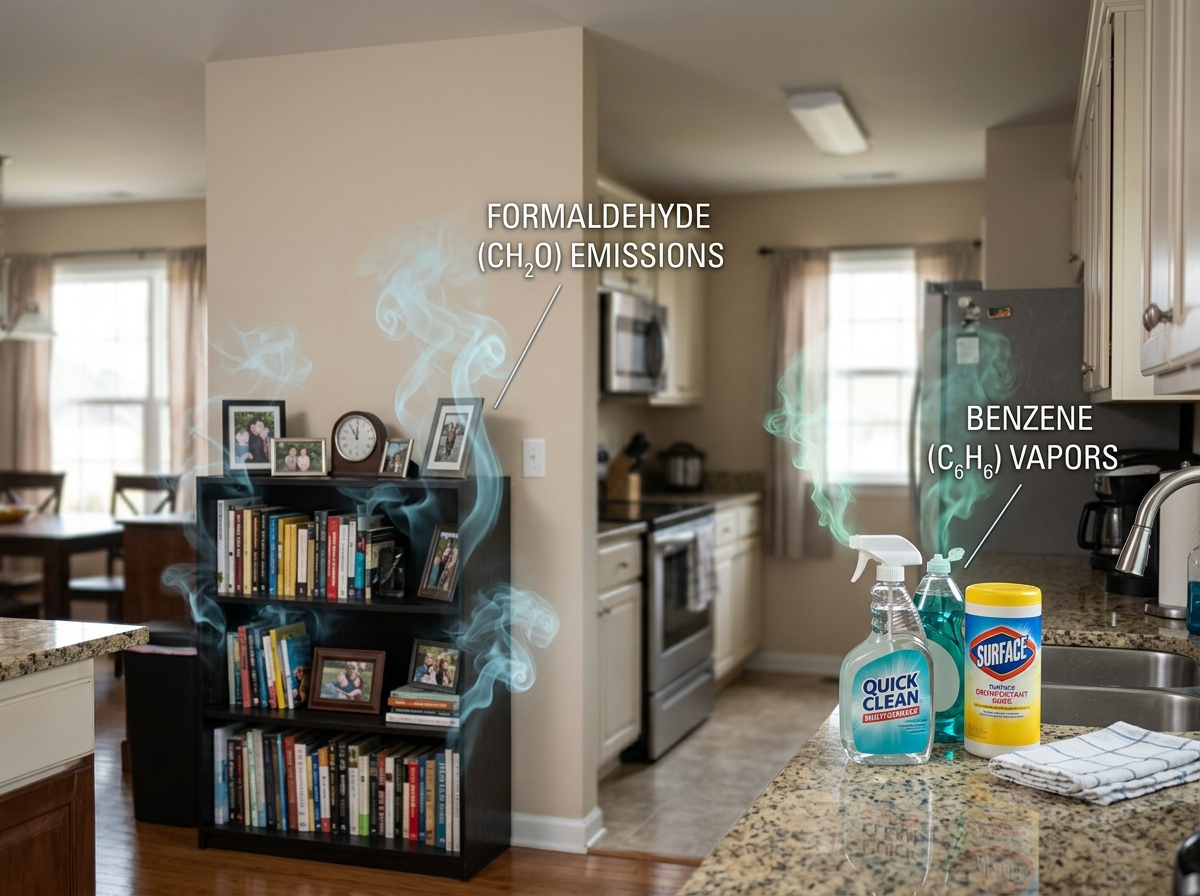
Formaldehyde is one of the most prevalent indoor toxins, found in everything from grocery bags to facial tissues. Benzene often sneaks in via detergents and dyes, while Xylene and Toluene are common in paints and adhesives. For cat owners, these pollutants aren’t just a human health concern; they can contribute to feline respiratory issues and general lethargy.
By integrating plants that filter toxins from the air, we create a natural defense system. These plants don’t just sit there looking pretty; they actively pull contaminants into their root systems, where soil microbes process them as food. Furthermore, certain species are excellent indoor plants that reduce dust by increasing local humidity, which helps heavy particles settle out of the air before you or your cat breathe them in.
Choosing air cleaning plants safe for cats also offers hypoallergenic benefits. Unlike some flowering plants that dump pollen into the air, the green foliage plants we recommend generally have low pollen production. They also help regulate carbon monoxide levels, ensuring a fresher, more oxygen-rich environment for those afternoon cat naps.
Top 10 NASA-Approved Air Purifying Plants Safe for Cats
The gold standard for indoor air research remains the Scientific research on the NASA Clean Air Study. This study proved that certain plants are powerhouses for toxin removal. When we cross-reference that list with the ASPCA’s non-toxic database, several clear winners emerge.
1. Spider Plant (Chlorophytum comosum)
The “Golden Retriever” of the plant world, the Spider Plant is incredibly resilient and safe. It is particularly effective at removing formaldehyde and xylene. Interestingly, some cats find Spider Plants mildly hallucinogenic (similar to a very mild catnip), so don’t be surprised if your kitty tries to bat at the dangling “spiderettes.”
2. Boston Fern (Nephrolepis exalta)
Ranked as one of the top air purifiers for removing formaldehyde, the Boston Fern is a classic choice. It loves humidity, making it a perfect addition to a bathroom or kitchen. It’s a great example of indoor plants safe for pets that also acts as a natural humidifier.
3. Areca Palm (Dypsis lutescens)
If you want a statement piece, the Areca Palm is a “living air conditioner.” It excels at removing benzene, formaldehyde, and xylene. It can grow quite large, making it one of the best cat-friendly trees and plants for a safe home.
4. Parlor Palm (Chamaedorea elegans)
Perfect for those who don’t have a green thumb, the Parlor Palm thrives in lower light and effectively filters out benzene and trichloroethylene. Cats often view the feathery fronds as a patch of grass, but since it’s non-toxic, a little nibble won’t hurt.
5. Money Tree (Pachira aquatica)
Believed to bring good luck and financial success, the Money Tree is also a hard-working air cleaner. It targets formaldehyde and benzene. It prefers warm, humid environments and indirect sunlight, making it a sturdy companion for your feline friend.
6. Calathea (Prayer Plant Family)
Calatheas are famous for their stunning, patterned leaves. They are highly effective at removing broad VOCs from the air. Because they move their leaves up and down throughout the day (nyctinasty), they might catch your cat’s eye, but they are entirely safe to have around.
7. Peperomia obtusifolia (Baby Rubber Plant)
Don’t confuse this with the “Rubber Tree” (Ficus elastica), which is toxic! The Peperomia obtusifolia is a cat-safe alternative that, according to NASA-related research, can reduce indoor formaldehyde levels by up to 47%. It’s compact, waxy, and very easy to care for.
8. Hoya (Wax Plant)
Hoyas are incredible because they are capable of removing all five of the top indoor VOCs. They have thick, waxy leaves and beautiful porcelain-like flowers. While the vines are tempting for cats to play with, the plant is non-toxic (though the milky sap can be a minor skin irritant for some).
9. Nerve Plant (Fittonia)
The Nerve Plant is a “talking plant” — it wilts dramatically when it needs water, then bounces back within hours. It is excellent at removing Toluene, a common respiratory irritant found in many household adhesives.
10. Cast Iron Plant (Aspidistra elatior)
As the name suggests, this plant is nearly indestructible. It was a favorite in Victorian homes because it could survive the dim, coal-smoke-filled air of the era. Today, it remains a top choice for filtering carbon monoxide and other pollutants in low-light areas.
Low-Maintenance Air Cleaning Plants Safe for Cats
For those of us who occasionally forget to water, there are several air cleaning plants safe for cats that won’t hold a grudge.
The Cast Iron Plant and the Parlor Palm are the ultimate low-maintenance air-purifying plants. They are drought-tolerant and thrive in indirect light, making them perfect easy-care plants for home air quality. Beginners should look for plants that don’t require high-humidity “spa treatments” daily. Most Peperomia species, for instance, store water in their thick leaves, allowing them to go longer between waterings.
Best Air Cleaning Plants Safe for Cats in Small Spaces
Living in an apartment shouldn’t stop you from creating an urban jungle. Vertical gardening is your best friend here.
Hanging baskets are ideal for Spider Plants and Boston Ferns. This keeps the trailing leaves away from curious paws while maximizing the plant’s exposure to airflow. For desk-dwellers, top air-purifying plants for bedrooms like the Nerve Plant or small Calatheas fit perfectly on nightstands.
If you are looking for top houseplants for allergies in a small space, consider Air Plants (Tillandsia). These unique plants don’t even need soil — they absorb nutrients and moisture directly from the air. They are completely non-toxic and can be placed in hanging glass globes or mounted on walls, well out of the way of “the zoomies.”
Strategic Placement and Pet-Proofing Your Greenery
Even if a plant is non-toxic, you probably don’t want your cat using your expensive Calathea as a salad bar. Strategic placement is key to maintaining both your plants’ health and your cat’s safety.
- Elevate Your Greens: Use high shelves, floating mantels, or wall-mounted planters. If your cat is a world-class jumper, consider placing plants in rooms with doors that can be closed when you aren’t home.
- Natural Deterrents: Cats generally dislike the smell of citrus. Placing dried orange or lemon peels on the soil can discourage them from digging.
- Physical Barriers: For larger floor plants like the Areca Palm, you can use spiky soil protectors or decorative river stones on top of the soil to prevent “bathroom” accidents or digging.
- The “Diversion” Strategy: One of the most effective ways to protect your houseplants is to provide a better alternative. Provide your cat with their own tray of pet grass (usually wheatgrass or oat grass). Most cats chew on plants to aid digestion or get extra fiber; giving them a dedicated “snack station” often makes your other plants much less interesting.
Always verify the scientific name of a plant before buying. Common names can be misleading — for example, the “Sago Palm” is not a palm at all and is highly toxic, whereas the “Parlor Palm” is perfectly safe. When in doubt, the ASPCA database is the gold standard for cross-referencing.
Frequently Asked Questions About Cat-Safe Greenery
What should I do if my cat eats a safe plant?
First, don’t panic. If the plant is on the non-toxic list, your cat is likely fine. However, overconsumption of even safe greenery can lead to mild digestive upset or vomiting simply because cats are obligate carnivores and their stomachs aren’t designed to process large amounts of plant matter.
Monitor your cat for symptoms like excessive drooling or lethargy. If they seem persistently unwell, consult your veterinarian. Always keep the plant’s tag or a photo of it handy so the vet knows exactly what was ingested.
Are air cleaning plants safe for cats as effective as mechanical filters?
Plants are excellent at removing gaseous pollutants (VOCs), but they aren’t as fast as a mechanical HEPA filter at removing physical particles like pet dander or hair. Think of plants as a long-term, 24/7 “slow and steady” purification system. For the best results, we recommend using air cleaning plants safe for cats as a supplement to mechanical air purifiers. NASA suggests having one plant per 100 square feet of living space to see a noticeable improvement in air quality.
Why does my cat keep chewing on my houseplants?
It’s usually not out of spite! Cats often chew on plants due to instinctual behavior. In the wild, they consume grass to help settle their stomachs or to help move hairballs through their system. It can also be a sign of boredom or a preference for certain textures (like the crunchy leaves of a Spider Plant). Providing interactive toys and fresh pet grass can satisfy these needs and save your foliage.
Conclusion
At Mount Pilchuck, we believe that a healthy home environment is one where both humans and pets can thrive together. You don’t have to sacrifice the air-purifying benefits of indoor greenery just because you share your life with a curious feline. By selecting the right air cleaning plants safe for cats, like the Spider Plant, Boston Fern, or the resilient Cast Iron Plant, you can enjoy fresher air and a beautiful home without the worry.
Remember to start slow, perhaps with one or two low-maintenance options, and observe how your cat interacts with them. With a little bit of strategic placement and some dedicated pet grass, your home can become a lush, safe sanctuary for everyone.
Ready to green up your space? Explore our full collection of indoor plants for more expert advice on creating the perfect pet-friendly indoor garden.
