
The Best Plants for Beginners Indoor (And Why They’re Hard to Kill)
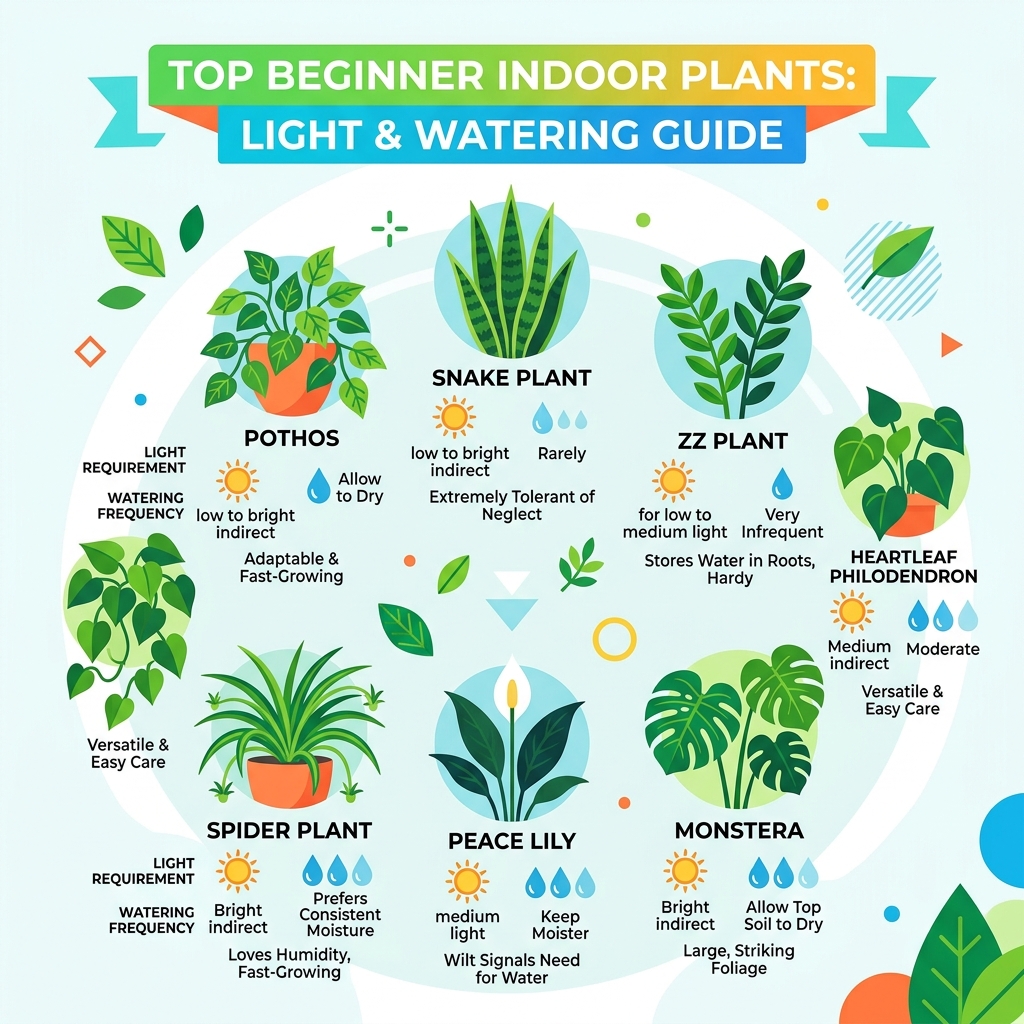
Plants for beginners indoor don’t have to be complicated. Here are the top picks to start with:
- Pothos – thrives in low light, forgives missed waterings, grows fast
- Snake Plant – tolerates neglect, low light, and dry air
- ZZ Plant – stores water in its roots, nearly impossible to overwater
- Heartleaf Philodendron – adapts to most light conditions, cheap and easy to find
- Spider Plant – loves humidity, great for bathrooms
- Peace Lily – signals when it needs water by wilting slightly
- Monstera – low-maintenance, adaptable, and striking to look at
Most people who struggle with houseplants aren’t doing anything wrong. They just picked the wrong plant.
The truth is, not all houseplants are created equal. Some are forgiving. Others will drop leaves the moment you look at them wrong. For beginners, the difference between success and a dead plant often comes down to one thing: choosing a plant that matches your home and your schedule.
If you live in an urban space with stagnant air, limited natural light, and a busy lifestyle, the right houseplant can do more than just look good. Many beginner-friendly plants also help filter indoor air, add humidity, and make your space feel less stuffy.
The good news? You don’t need a green thumb. You just need a good starting point.
What Makes These the Best Plants for Beginners Indoor?
When we talk about the best plants for beginners indoor, we aren’t just looking for “pretty” foliage. We are looking for “survivors.” A true beginner plant is one that can handle a bit of human error—whether that’s forgetting to water it for two weeks or accidentally placing it in a dark corner of the hallway.
The primary traits that make a plant suitable for novices include:
- Adaptability: These plants can thrive in various temperatures and humidity levels.
- Forgiveness: If you miss a watering, they don’t immediately shrivel up and die.
- Neglect Tolerance: Some plants, like the Snake Plant, actually prefer it when you leave them alone.
- Low Light Requirements: Many beginners don’t have floor-to-ceiling south-facing windows. The best starter plants can handle the “moody” lighting of a standard apartment.
Understanding the mental wellness benefits of indoor plants is often what motivates people to start their journey. Beyond just looking nice, these living decorations can reduce stress and improve focus. However, to reap those rewards, the plant needs to stay alive! That’s why matching the plant to your specific microenvironment is vital. If you have a room with tiny windows, you should specifically look for indoor plants for low light rooms to ensure success.
Lighting Comparison Table for Beginners
| Light Level | Best Beginner Plants | Characteristics |
|---|---|---|
| Low Light | Snake Plant, ZZ Plant, Pothos | Tolerates windowless rooms or north-facing windows. |
| Medium Light | Monstera, Philodendron, Spider Plant | Prefers “bright indirect” light (near a window but no direct sun). |
| Bright Light | Aloe Vera, Jade Plant, Succulents | Needs several hours of direct sunlight to thrive. |
The Resilient Snake Plant: A Staple for Beginners Indoor
If we had to pick the “invincible” champion of the plant world, it would be the Snake Plant (Sansevieria). Also known as “Mother-in-Law’s Tongue” because of its sharp, pointed leaves, this plant is a glutton for punishment. It is one of the few plants that can survive in near-darkness, though it will grow faster in brighter light.
One of the most impressive statistics about this plant is its longevity; Snake plants can live for 20+ years with even the most basic care. They are slow growers, often only gaining a few inches a year, which makes them perfect for desks or shelves where you don’t want a plant taking over the room.
Furthermore, they are elite members of the low-maintenance air-purifying plants category. While most plants release CO2 at night, the Snake Plant continues to produce oxygen, making it an ideal companion for your bedroom.
Pothos: The Unstoppable Vine for Beginners Indoor
Commonly called “Devil’s Ivy” because it is nearly impossible to kill, Pothos (Epipremnum aureum) is the quintessential “vibe” plant. Its heart-shaped leaves trail elegantly down from bookshelves or hanging baskets, creating a lush, jungle feel in any room.
What makes Pothos one of the best plants for beginners indoor is its communication style. When it’s thirsty, the leaves will droop significantly. Give it a drink, and within a few hours, it perks right back up. It’s a great way for new plant parents to learn the “language” of their greenery.
Pothos is also incredibly easy to share. You can learn how to grow a stunning golden cascade plant without breaking a sweat by simply taking stem cuttings and placing them in a glass of water. Within a week or two, you’ll see white roots appearing, and you’ve just created a brand-new plant for free!
Essential Care Tips for New Plant Parents
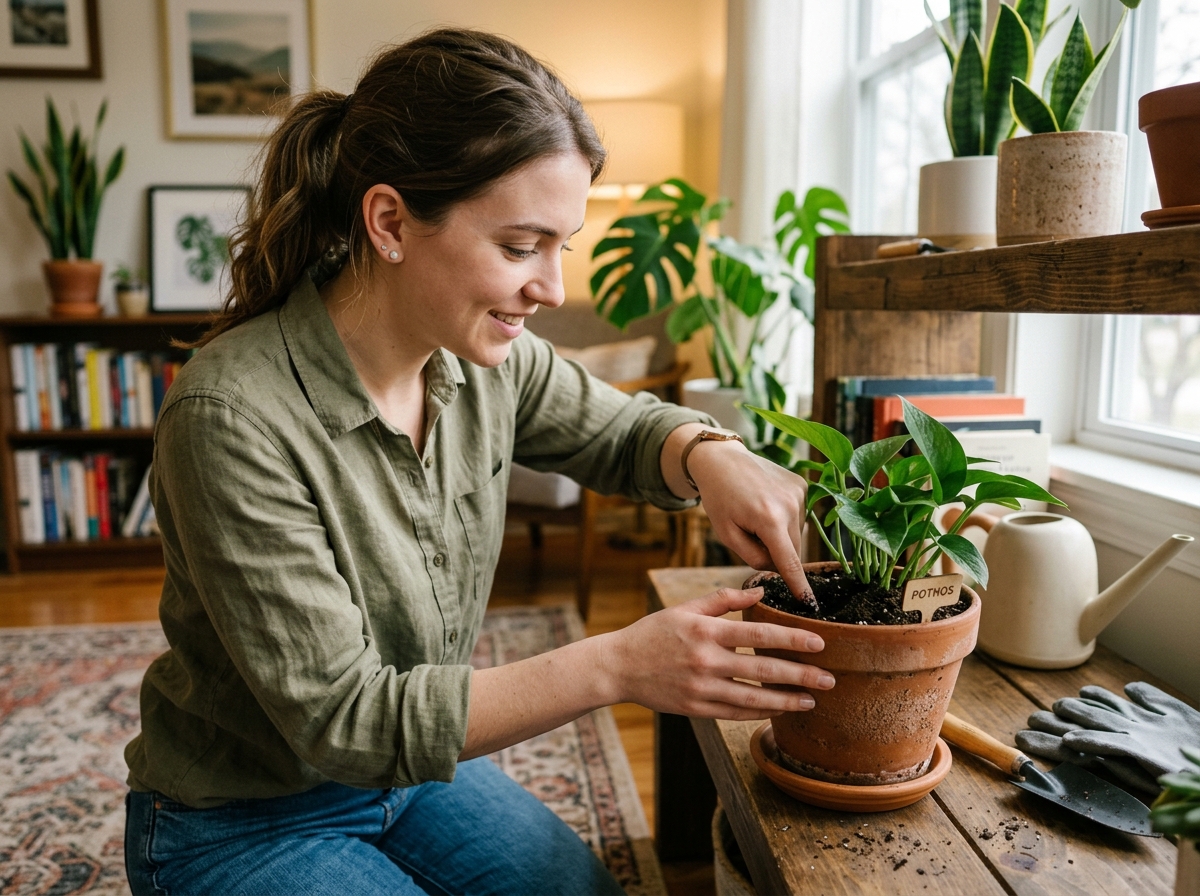
Even the toughest plants for beginners indoor need a baseline of care. The number one mistake beginners make? Overwatering. Most people kill their plants with “kindness” (and too much water).
Here is our expert “Golden Rule” for watering: The Finger Test. Stick your finger about an inch or two into the soil. If it feels damp, walk away. If it feels dry and dusty, it’s time for a drink.
Key Maintenance Strategies:
- Drainage is Non-Negotiable: Never put a plant in a pot without a hole in the bottom. Without drainage, water pools at the bottom, causing “wet feet” and eventually root rot.
- Aeration Matters: Over time, soil can become compacted. Every few months, gently poke the soil with a chopstick to let air reach the roots.
- Consistent Temperatures: Most easy care plants for home air quality prefer temperatures between 65°F and 85°F. Avoid placing them directly in front of air conditioning vents or heaters.
According to NASA research on air-purifying plants, many of these common species are highly effective at removing volatile organic compounds (VOCs) from the air. To keep them working efficiently, remember to dust the leaves! A layer of dust blocks sunlight and prevents the plant from “breathing.”
Choosing the Right Pot and Soil
For most beginners, we recommend starting with terracotta pots. These clay pots are porous, meaning they “breathe” and help wick away excess moisture from the soil. This provides a safety net if you happen to be a bit heavy-handed with the watering can.
When it comes to soil, don’t just grab dirt from the backyard. Use a high-quality indoor potting mix. For succulents or Snake Plants, look for a “Cactus and Succulent Mix” that contains extra perlite or sand for drainage. If you are living in tight quarters, check out our guide on small potted plants for apartments to find the perfect vessel for your space.
Troubleshooting Common Issues
Don’t panic if your plant doesn’t look perfect 100% of the time. Even experts deal with issues. Here’s how to read the signs:
- Yellow Leaves: Usually a sign of overwatering. Check the soil; if it’s soggy, let it dry out completely before watering again.
- Brown, Crispy Tips: This often means the air is too dry or you’re using tap water with too many minerals. Try misting the plant or using filtered water.
- Drooping Leaves: The plant is likely thirsty (or, in the case of the Peace Lily, just being dramatic).
- Pests: If you see tiny webs or sticky residue, you might have spider mites or mealybugs. A simple spray of neem oil or wiping the leaves with soapy water usually does the trick.
Keeping your plants healthy also helps them perform their secondary jobs, such as acting as indoor plants that reduce dust by trapping airborne particles on their leaf surfaces.
Safety and Wellness: Pet-Friendly and Air-Purifying Options
Before you go on a shopping spree, consider your roommates—especially the four-legged ones. Many popular plants for beginners indoor, like Pothos and Snake Plants, contain calcium oxalate crystals, which can be toxic if chewed on by cats or dogs.
If you have a curious pet, stick to “Safe Bets” like:
- Spider Plants
- Parlor Palms
- Calathea
- Boston Ferns
For more details, we have a comprehensive list of indoor plants safe for pets and a guide on the best cat-friendly trees and plants for a safe home.
Plants That Improve Your Home Environment
Beyond aesthetics, we advocate for indoor plants because of their profound impact on air circulation and quality. Plants are essentially living air filters. They take in carbon dioxide and common household toxins, releasing fresh oxygen in return.
Some species are particularly good at this. For instance, the Peace Lily and English Ivy are renowned for their ability to scrub the air of formaldehyde and benzene. By choosing plants that filter toxins from the air, you are essentially installing a natural, low-energy air purifier in your living room. The health benefits of plant air filters include improved respiratory health and a reduction in “sick building syndrome” symptoms like headaches and fatigue.
Frequently Asked Questions about Beginner Houseplants
How often should I water my indoor plants?
There is no “one size fits all” schedule. Most indoor plants need water every 7 to 14 days. However, this changes based on the season (plants need less water in winter) and the light they receive. Always use the “finger test” before pouring.
Which plants are best for rooms with no windows?
No plant can live in total darkness forever, but the ZZ Plant and Snake Plant come close. They can survive on the ambient light from hallway lamps or office overheads for long periods. If a room is truly pitch black, consider rotating two plants—keep one in a sunny room for two weeks, then swap them.
Do beginner plants need fertilizer?
Yes, but don’t overdo it. Think of fertilizer as a multivitamin, not a meal. Use a balanced, liquid indoor plant fertilizer once a month during the spring and summer (the growing season). Skip the fertilizer in the winter when the plant is “resting.”
Conclusion
Starting your journey with plants for beginners indoor is one of the most rewarding home projects you can undertake. At Mount Pilchuck, we believe that everyone deserves a home that breathes. By selecting resilient species like the Snake Plant or Pothos, you aren’t just decorating; you’re investing in your mental wellness and indoor air quality.
Every “expert” gardener has killed a few plants along the way. It’s all part of the learning process. Start small, listen to what your plants are telling you, and soon you’ll have a thriving indoor jungle that boosts your mood and your health.
Ready to transform your space? Start your indoor jungle today and experience the difference that fresh air and greenery can make!
