
The Ergonomic Revolution of Raised Gardening
Above ground planters are elevated garden beds that sit above the native soil, enclosed in a frame filled with your choice of growing mix — giving you full control over your plants’ environment.
Here’s a quick look at why gardeners are making the switch:
- Back and joint relief — Raised beds at 29–35 inches tall mean no kneeling or bending
- Better soil control — Fill with the exact mix your plants need, no matter what’s underneath
- Improved drainage and aeration — Roots breathe easier and water moves freely
- Fewer weeds and pests — Elevated structure creates a natural barrier
- Longer growing seasons — Soil in raised beds warms up faster in spring
- Accessible to everyone — Works for limited mobility, wheelchair users, and urban balconies
If you’ve ever finished a gardening session with an aching back and sore knees, you’re not alone. Traditional in-ground gardening asks a lot from your body — hours of crouching, kneeling, and bending over rows of plants. For urban dwellers with small outdoor spaces, patchy soil, or physical limitations, it can feel like gardening simply wasn’t designed for them.
That’s exactly where above ground planters change the game.
Raised beds aren’t just a trend. They’re a practical solution that makes growing vegetables, herbs, and flowers more comfortable, more productive, and more accessible — whether you have a sprawling backyard or a compact apartment balcony.

When we talk about an “ergonomic revolution,” we aren’t just using fancy words. We mean a fundamental shift in how we interact with the earth. By lifting the garden to our level, we eliminate the physical strain that often acts as a barrier to this rewarding hobby. Whether you are managing chronic back pain or simply want to garden well into your golden years, above ground planters provide a mobility-friendly environment that keeps the joy in gardening and the pain in the past.
Key Benefits of Switching to Elevated Beds
Switching to above ground planters is like upgrading from a flip phone to a smartphone; suddenly, everything is just easier and more efficient. One of the most significant advantages is the absolute control you have over your soil. In many regions, the native soil is either too “clay-heavy,” too sandy, or potentially contaminated with old pesticides or heavy metals. With a raised bed, you start with a clean slate.
Drainage and aeration are also vastly superior in these setups. Because the soil is contained and elevated, gravity helps excess water move away from the roots, preventing the dreaded “wet feet” that leads to root rot. This setup also allows for better air circulation within the soil, which is a core philosophy we advocate for here at Mount Pilchuck. Just as we look for small potted plants for apartments that help refresh our indoor air, we want our outdoor plants to have the best “breathing” conditions possible.
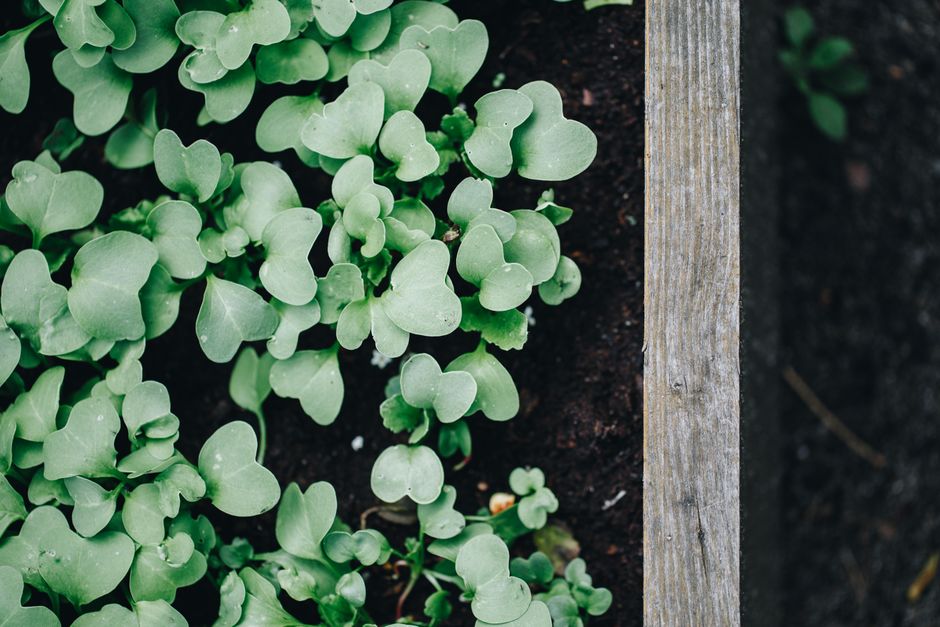
From a management perspective, above ground planters act as a fortress. They provide a natural barrier against crawling pests and make it much harder for weeds to migrate into your pristine growing area. Furthermore, the materials used often provide excellent root insulation, protecting your delicate plants from extreme temperature swings.
Preventing Soil Compaction
One of the silent killers of garden productivity is soil compaction. In a traditional garden, you often have to step between rows to weed or harvest. Every footstep squashes the tiny air pockets in the soil that roots and beneficial microorganisms need to survive.
In above ground planters, the soil remains light and fluffy because you never have to step on it. This preserved soil structure maintains high nutrient density and allows water to penetrate deeply and evenly. When the soil stays loose, the “underground city” of microbes and earthworms can thrive, doing the hard work of fertilizing your plants for you.
Extended Growing Seasons
If you are an impatient gardener (and let’s be honest, who isn’t?), you’ll love how above ground planters handle the seasons. Because the beds are elevated, the soil is not at the mercy of the cold, dense earth below.
- Early Planting: Soil in raised beds warms up much faster in the spring, often allowing you to plant weeks before your neighbors who are stuck waiting for the ground to thaw.
- Frost Protection: It is significantly easier to throw a frost cover or bird netting over a defined frame than a sprawling ground plot.
- Thaw Cycles: Better drainage means your soil won’t turn into a muddy swamp during the spring thaw, keeping your roots safe from drowning.
Choosing the Best Materials for Above Ground Planters
Not all planters are created equal. The material you choose affects everything from the lifespan of the bed to the health of your plants.
| Material | Durability | Maintenance | Best For |
|---|---|---|---|
| Cedar Wood | High (Rot-resistant) | Low | Organic veggies, aesthetics |
| Galvanized Steel | Very High | None | Modern look, longevity |
| Recycled HDPE | Very High | None | Eco-friendly, all-weather |
| Untreated Pine | Low | High | Budget-friendly, short-term |
Cedar and redwood are the gold standards for wooden above ground planters. They contain natural oils that resist rot and insect infestation without the need for harsh chemicals. If you are considering metal, modular kits made of galvanized steel or aluminum are incredibly popular. They are lightweight, easy to assemble, and can last for decades.
For those who want a “set it and forget it” option, recycled HDPE (high-density polyethylene) plastic is a fantastic choice. These are often made from recycled milk jugs and are incredibly weather-resistant. When choosing any plastic or treated wood, safety is paramount. We recommend checking out this Overview of Wood Preservative Chemicals to understand what is safe for your edible crops.
Wood and Composite Options
If you choose wood, you have a few paths. Natural cedar is beautiful and smells great, but it can be pricey. Some gardeners opt for untreated lumber to save money, though it may only last 3–5 years. A middle ground is using ACQ-treated wood. According to the EPA, modern ACQ (Alkaline Copper Quaternary) is much safer for garden use than the old arsenic-based treatments of the past.
Composite materials, which blend wood fibers and plastic, offer the look of wood with the durability of plastic. Many high-end planters now use BPA-free polymers to ensure no chemicals leach into your tomatoes. For those worried about aesthetics, high-quality HDPE materials have shown excellent color stability even under intense sunlight, as seen in these HDPE Color Stability Test Results.
Metal and Plastic Durability
Metal above ground planters have seen a massive surge in popularity. Brands like Vego Garden use a specialized zinc-aluminum-magnesium coating that is non-toxic and incredibly durable. These modular kits allow you to create various shapes to fit your space perfectly.
Plastic options, particularly those made of commercial-grade resin, are lightweight and often include features like double-walled insulation. This protects roots from the scorching summer heat and the freezing winter cold. Many of these plastic options are “food-grade,” meaning they are perfectly safe for growing the herbs you’ll use in your kitchen.
Designing Your Garden Layout for Maximum Productivity
Planning your layout is where the fun really begins. To get the most out of your above ground planters, you need to think about more than just where they look “cute.”
- Sun Exposure: Most vegetables need at least 6–8 hours of direct sunlight. Place your beds where they won’t be shaded by the house or large trees.
- Orientation: Align your beds in a north-south orientation. This ensures that as the sun moves across the sky, all your plants get an even share of the light.
- Path Width: Ensure your paths are at least 2–3 feet wide. If you use a wheelchair or want to bring a wheelbarrow through, aim for 4 feet.
- Vertical Gardening: Use the back of your planters to host trellises. This allows you to grow “up” with peas, cucumbers, or beans, maximizing your square footage.
Selecting the Right Size for Above Ground Planters
The “perfect” size depends on what you want to grow and who is doing the gardening. Standard vegetable beds are often 4×8 feet or 3×6 feet. The 4-foot width is a classic because it allows you to reach the center of the bed from either side without ever having to step inside.
Planting depth is another crucial factor:
- 6–8 inches: Good for succulents, herbs, and shallow-rooted greens like lettuce.
- 10–12 inches: The “sweet spot” for most vegetables, including carrots and peppers.
- 18+ inches: Necessary for deep-rooted crops like large tomato varieties or potatoes.
Accessibility and Height Considerations
This is where your back really starts to feel the love. A standard raised bed might only be 11–15 inches tall, which still requires some bending. However, above ground planters designed for ergonomics often stand 29–35 inches tall.
At 35 inches (roughly counter height), you can garden while standing perfectly upright. This height is also ideal for wheelchair access, as it allows the user to pull right up to the edge of the bed. Many of these taller models also feature a built-in shelf underneath, providing a handy place to store your trowels, extra pots, and bags of potting mix, keeping your garden area neat and organized.
How to Build and Fill Your Own Raised Garden Bed
Building your own bed is a rewarding weekend project that typically takes about a day to complete. Here is a basic roadmap for a DIY 4×6 foot bed:
- Cut Your Lumber: You’ll need boards for the walls and 4×4 posts for the corners.
- Assemble the Frame: Use pilot holes to prevent the wood from splitting, then secure the boards to the corner posts with exterior-grade screws.
- Prepare the Site: Remove the grass where the bed will sit and loosen the soil slightly to help with drainage.
- Line the Bottom: Attach hardware cloth (a metal mesh) to the bottom of the frame. This keeps out burrowing pests like moles and voles but still allows earthworms to enter.
- Add a Liner: If using untreated wood, you can line the inside walls with plastic sheeting to extend the wood’s life, though make sure the bottom remains open for drainage.
Optimal Soil and Maintenance for Above Ground Planters
Don’t just dig up dirt from your yard to fill your new planter! Yard soil is often too heavy and may contain weed seeds or pathogens. Instead, use a “raised bed mix.” A popular recipe is 50% high-quality potting soil, 25% compost, and 25% peat moss or coconut coir.
Maintenance in these beds is generally lower, but you do need to keep an eye on moisture. Because they are elevated, above ground planters can dry out faster than the ground. We recommend:
- Mulching: Add a layer of straw or wood chips on top of the soil to lock in moisture.
- Self-Watering Reservoirs: Some modern planters come with built-in reservoirs that wick water up to the roots as needed, which is a lifesaver during a summer heatwave.
- pH Adjustment: It is much easier to adjust the pH in a contained bed. If you want to grow blueberries, you can make one bed acidic without affecting the rest of your garden.
Best Plants for Elevated Success
Almost anything can grow in a raised bed, but some plants truly thrive in this controlled environment. Leafy greens like kale, spinach, and lettuce love the loose soil and extra drainage. Root vegetables like carrots and radishes grow straighter and longer because they don’t hit rocks or hard clay.
We also love using these planters for culinary herbs like basil, cilantro, and rosemary. Having them at waist height right outside your kitchen door makes harvesting for dinner a breeze. If you are looking for plants that do double duty by improving your environment, consider adding some budget-friendly air-purifying plants to your patio or balcony setup. Companion planting — like putting marigolds with your tomatoes to deter pests — is also much easier to manage in a defined space.
Frequently Asked Questions about Above Ground Planters
Is treated wood safe for growing edible vegetables?
Yes, modern pressure-treated lumber (labeled ACQ) is considered safe by the EPA for garden use. The old arsenic-based treatments (CCA) were phased out for residential use in 2003. However, if you are strictly organic or still worried, you can line the inside of the bed with heavy-duty plastic to prevent any contact between the wood and the soil.
How deep should an above ground planter be for tomatoes?
Tomatoes have extensive root systems. While they can survive in 10 inches of soil, they will truly thrive in 12–18 inches. If you are using a shallower bed, choose “determinate” or “patio” varieties that are bred to stay smaller.
Do raised garden beds dry out faster than in-ground gardens?
Yes, they do. Because they are above ground, the sides are exposed to the air, which can cause the soil to warm up and evaporate water more quickly. This is a benefit in the soggy spring but a challenge in the heat of summer. Using a thick layer of mulch and consistent watering (or a self-watering system) solves this problem easily.
Conclusion
The shift toward above ground planters represents a more sustainable, thoughtful way to garden. It’s about working with nature — and your own body — rather than against it. By choosing the right materials, like rot-resistant cedar or durable recycled HDPE, you are investing in a garden that will last for decades.
At Mount Pilchuck, we believe that your environment directly impacts your health. Whether it’s ensuring proper air circulation through the right indoor greenery or protecting your physical well-being with ergonomic garden designs, the goal is the same: a healthier, happier you.
Ready to take the next step in your green journey? Whether you’re planting outdoors or looking to refresh your home’s interior, we’re here to help. Start your indoor garden journey today and discover how the right plants can transform your living space into a breath of fresh air. Your back — and your lungs — will certainly thank you.
